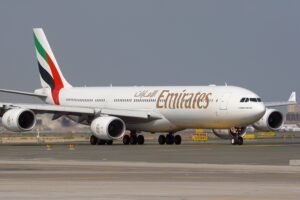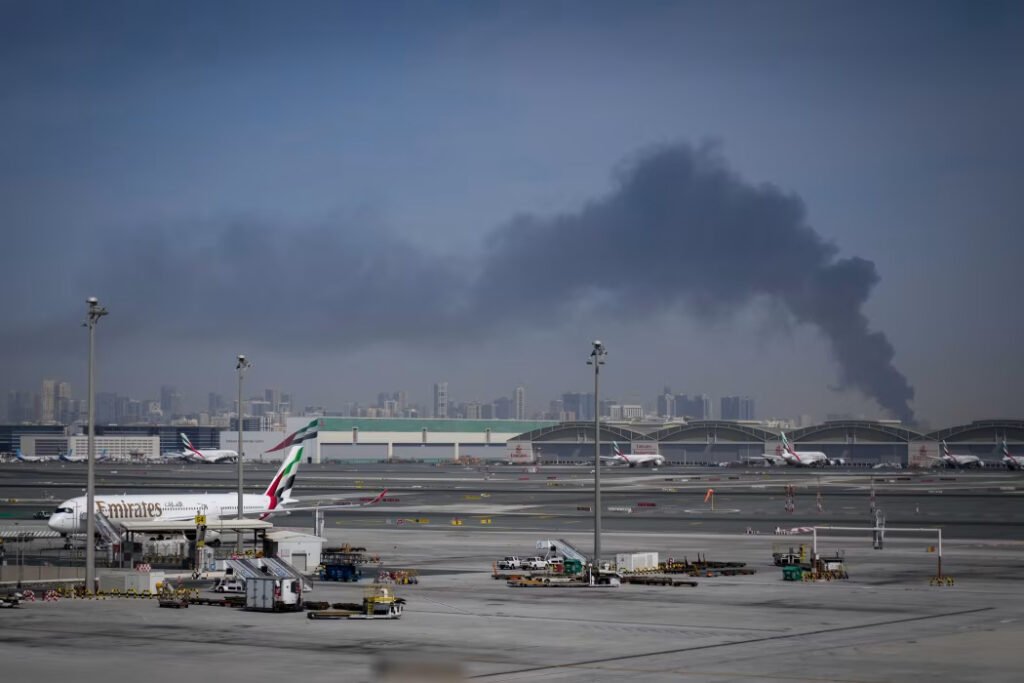
Middle East: Global air travel faced unprecedented disruption this weekend after the United States and Israel launched a large-scale attack on Iran, prompting Iranian retaliatory strikes and widespread airspace closures across the Middle East. The resulting cascade of aviation cancellations, diversions, and suspensions has left thousands of passengers stranded or rerouted, grounding one of the world’s busiest flight corridors.
The military escalation began with joint US-Israel strikes on Iranian territory, which led to Iran firing missiles and drones towards Gulf states. UAE authorities reported multiple impacts at major airports in Dubai and Abu Dhabi, where at least three people were killed and dozens injured following Iranian strikes and debris falling from intercepted missiles.
As a result, airspace closures were declared by countries including Iran, Iraq, Israel, Kuwait, Qatar, Bahrain, Syria, and the United Arab Emirates, effectively halting the region’s major aviation hubs notably Dubai International (DXB), Abu Dhabi (AUH), and Doha’s Hamad International Airport.
More than 3,400 flights were cancelled on Sunday alone as escalating hostilities involving the United States, Israel and Iran forced widespread airspace closures across the Middle East.
On Monday, 2 March 2026, at least 1,239 flights were cancelled worldwide as airlines continued to suspend operations and airspace closures persisted due to the escalating conflict between the US, Israel and Iran.
According to data cited by international flight tracking agencies and reported by global media outlets, cancellations surged after multiple countries shut their airspace following military strikes and retaliatory attacks. The disruption compounded earlier projections of over 700 cancellations, pushing the day’s total well beyond 3,000 flights globally.
Delta Air Lines has cancelled flights from New York to Tel Aviv until 8 March, while American Airlines’s Doha-Philadelphia flights are “temporarily suspended”. Air Canada has cancelled flights from Canada to Israel until 8 March and to Dubai until 3 March.
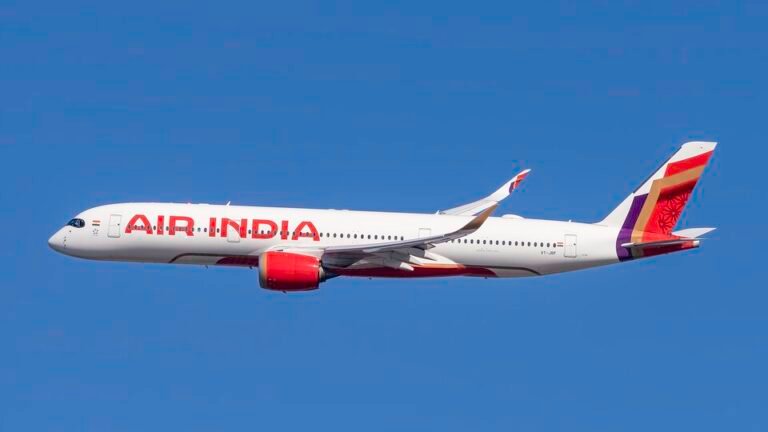
Air India has extended the suspension of all flights to and from the UAE, Saudi Arabia, Israel, and Qatar until 11:59 pm local time (7:29 pm CET) on 2 March 2026.
A broad spectrum of Middle Eastern, Indian and international airlines suspended or cancelled services due to safety advisories and airspace restrictions.
Middle Eastern carriers impacted include:
- Emirates
- Etihad Airways
- Qatar Airways
- flydubai
- Air Arabia
These carriers temporarily halted or adjusted operations at major Gulf hubs as regional airspace became unsafe for civilian flights.
Indian airlines affected include:
- Air India
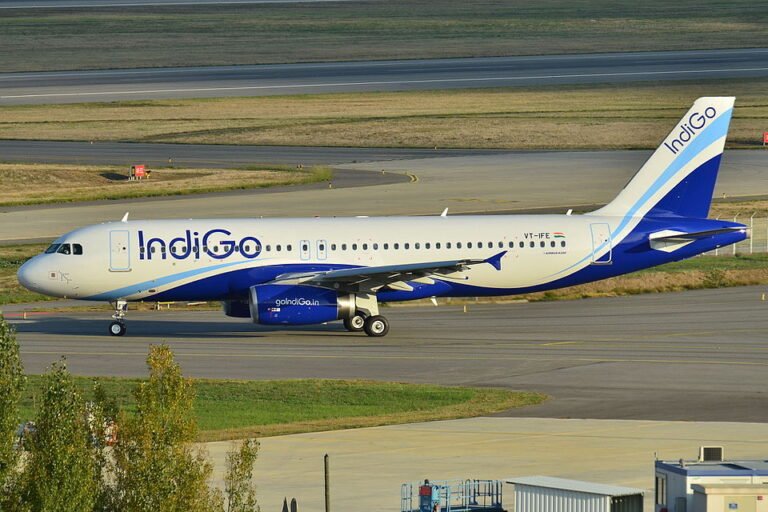
- IndiGo
- Air India Express
- Akasa Air
These airlines suspended services to destinations across the UAE, Qatar, Kuwait, Saudi Arabia and Israel.
International carriers reporting cancellations or suspensions include:
- British Airways
- Lufthansa
- Air France
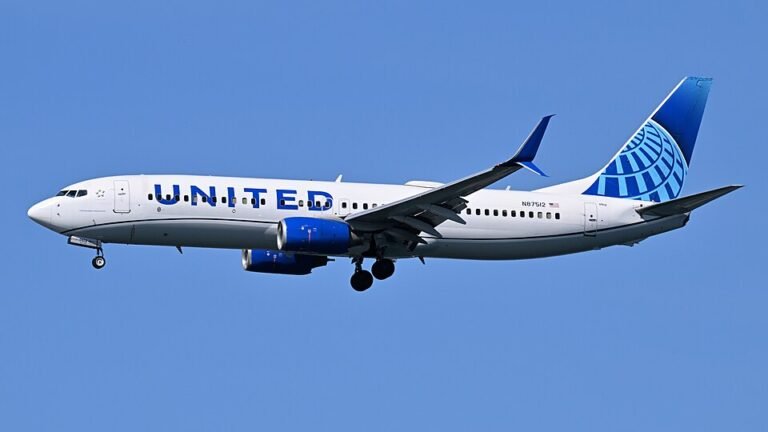
- United Airlines
- Turkish Airlines
- Pakistan International Airlines
Aircraft already airborne when airspace closures were announced were forced to divert to alternate airports in Europe and Asia, with some long-haul services returning to their origin airports mid-flight. Major transit hubs in the Gulf saw thousands of passengers stranded as airlines scrambled to reposition crews and aircraft.
Authorities across India and the Middle East placed airports on high alert to manage unscheduled arrivals. Ticket prices on unaffected routes surged sharply amid reduced capacity.
Civil aviation regulators have designated affected corridors as high-risk airspace, advising operators to avoid the region pending further risk assessments.