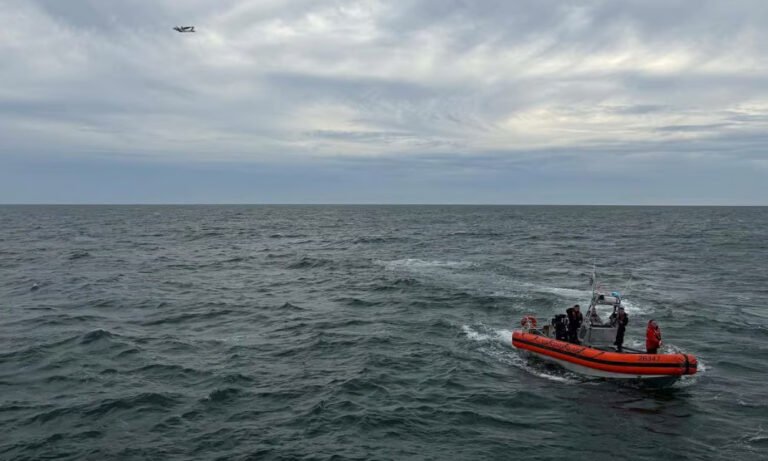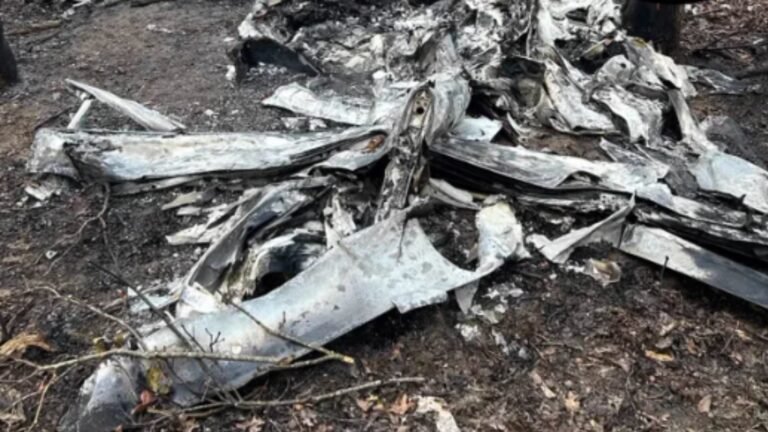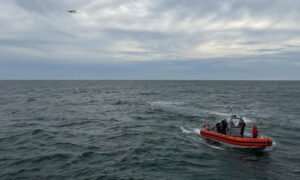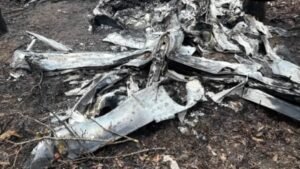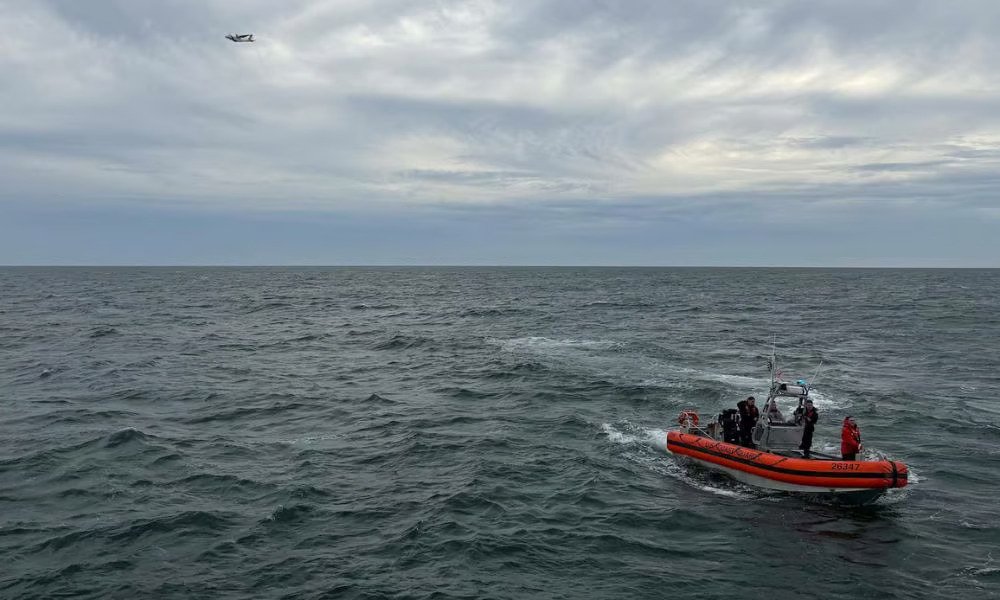
Quebec, Canada: The Transportation Safety Board of Canada (TSB) has recovered the cockpit voice recorder (CVR) and the upper third of the cockpit from a Latitude Air Ambulance Gulfstream G100 that crashed into the Atlantic Ocean south of Nantucket, Massachusetts, on 3 October 2026, killing all six people aboard. The recovery was confirmed in the latest investigation update published on the TSB’s official investigation page on 2 November 2026. The recovered components will be transported to the TSB Engineering Laboratory in Ottawa for further examination.
The TSB said the recovery operation was conducted in coordination with the Royal Canadian Mounted Police (RCMP) and the Canadian Coast Guard. The investigation remains ongoing, and the agency has not released any findings establishing the cause of the accident. The November update also carries a notice that the information is preliminary and may be supplemented or revised as the investigation progresses.
The crash involved a Canadian-registered Gulfstream G100, registration C-GRJP, operated by Latitude Air Ambulance, a medical air transport provider based in Hamilton, Ontario. The aircraft departed St. George’s, Bermuda, on 3 October 2026, carrying six occupants, and was approaching the Boston area when the crew reported electrical difficulties.
According to the TSB, the aircraft subsequently descended rapidly and lost contact with air traffic control south of Nantucket, Massachusetts. The aircraft’s disappearance prompted a search and rescue operation involving US authorities. The Government of Bermuda confirmed on 3 October that the air ambulance had been reported missing after contact was lost with air traffic control.
All six occupants died in the accident. They included four Canadian crew members and two Bermudian nationals, Marilyn Lavonne Bean and her son, Sergio Wayne Lottimore, whose deaths were acknowledged by the Government of Bermuda in subsequent statements.
On 5 October 2026, the TSB announced that it would lead the investigation under international agreements, as Canada was the aircraft’s state of registry. The US National Transportation Safety Board (NTSB) is assisting as an accredited representative.
The TSB subsequently announced on 8 October that it was deploying investigators to Massachusetts to support search and recovery operations and gather information. The latest recovery marks an important development in the investigation, as the cockpit voice recorder can provide investigators with recorded cockpit communications and sounds from the aircraft’s final flight.
The recovered recorder and cockpit section are scheduled for examination at the TSB’s Engineering Laboratory in Ottawa. The examination is expected to form part of the broader investigation into the circumstances surrounding the aircraft’s reported electrical difficulties, rapid descent and subsequent loss of contact with air traffic control. However, no technical conclusions or cause have yet been established by investigators.
The occurrence is classified as a Class 3 investigation by the TSB. Such investigations examine a limited number of safety issues and generally take up to 450 days to complete. The TSB has said it will provide further updates as additional information becomes available.