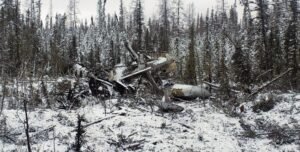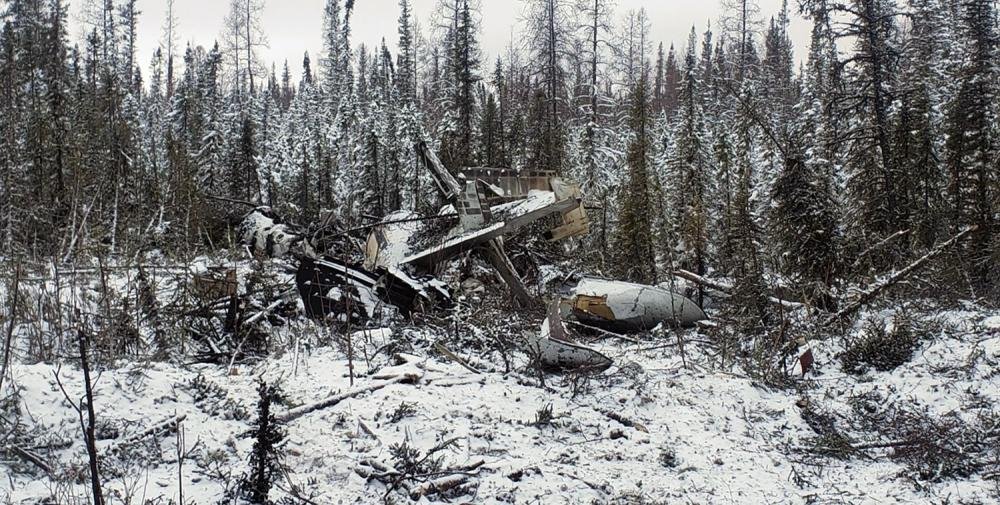
Fort Smith, Canada: The Transportation Safety Board of Canada (TSB) has released its final investigation report into the January 23, 2024, crash of a British Aerospace Jetstream 3212 near Fort Smith Airport in the Northwest Territories, concluding a meticulous 26‑month examination of the accident that left six people dead and one seriously injured.
The occurrence, designated as Air Transportation Safety Investigation A24W0008, was officially released on March 5, 2026, marking the completion of the TSB’s formal inquiry into the controlled flight into terrain accident.
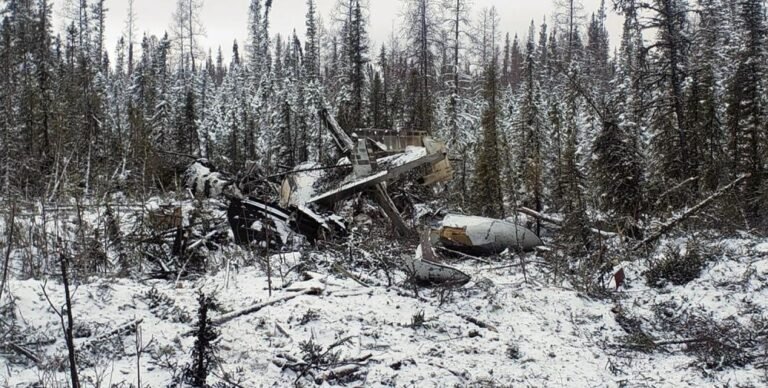
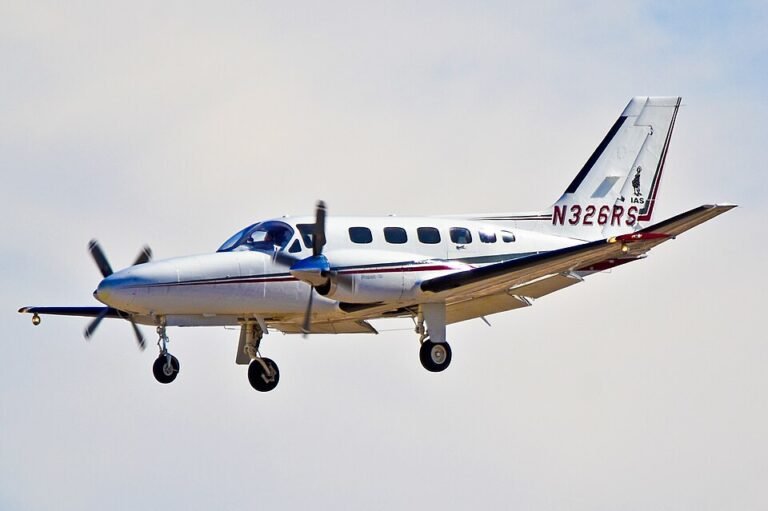
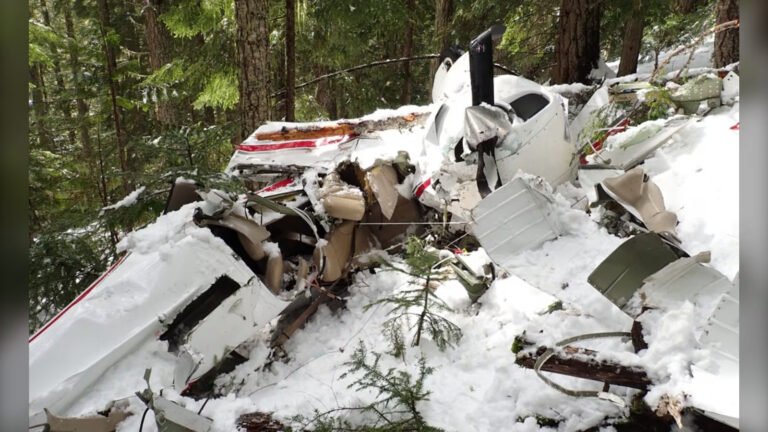
On the morning of January 23, 2024, the Jetstream aircraft, registered C‑FNAA and operated by Northwestern Air Lease Ltd., departed Fort Smith bound for the Diavik Diamond Mine Airport with seven occupants on board, including two crew and five passengers. The aircraft impacted trees and terrain approximately one nautical mile northwest of the runway shortly after takeoff, killing six of those onboard. One survivor sustained serious injuries.
According to the TSB’s final report, the crash resulted from a complex interaction of human factors, aircraft systems, and operational decisions. Investigators determined that the captain initially maintained a low climb attitude with higher than normal airspeed to shed potential snow contamination, resulting in a flight profile that remained unusually close to the ground.
During the climb, one of the main landing gear units failed to fully retract due to the combination of cold air temperatures (below –20 °C) and aerodynamic loads at the elevated airspeed. In response, the flight crew reduced engine power in an attempt to slow the aircraft and allow the gear to retract.
The reduction in power inadvertently led to an unnoticed descent at approximately 140 feet above ground level. The TSB found that both pilots were likely focused on the abnormal gear indication and speed management, leading to a loss of altitude awareness in the seconds before impact. The aircraft struck trees and terrain only about ten seconds after the descent began.
The board’s findings highlighted deficiencies in crew resource management, including inadequate monitoring of flight instruments during an abnormal situation and non‑compliance with abnormal checklists. The report also noted that documented defects regarding the landing gear had not been properly recorded in aircraft maintenance logs, increasing operational risk.
The final report, released by Canada’s Transportation Safety Board, represents the authoritative conclusion of the investigation and has been published in full on the TSB’s official website.