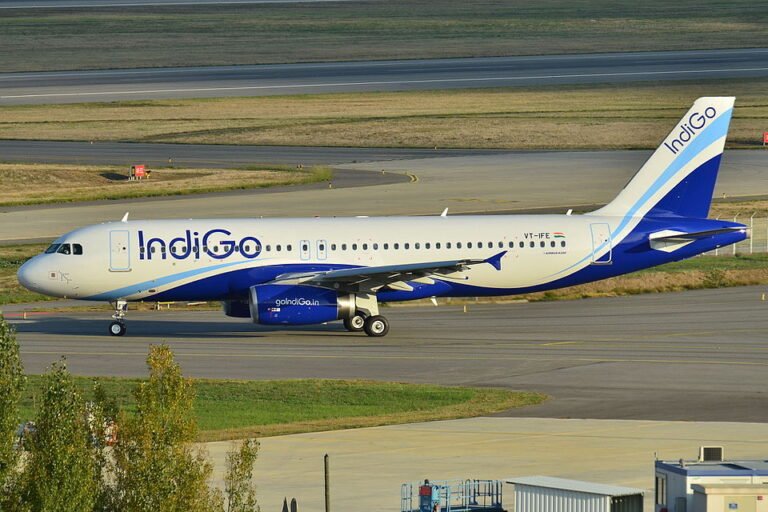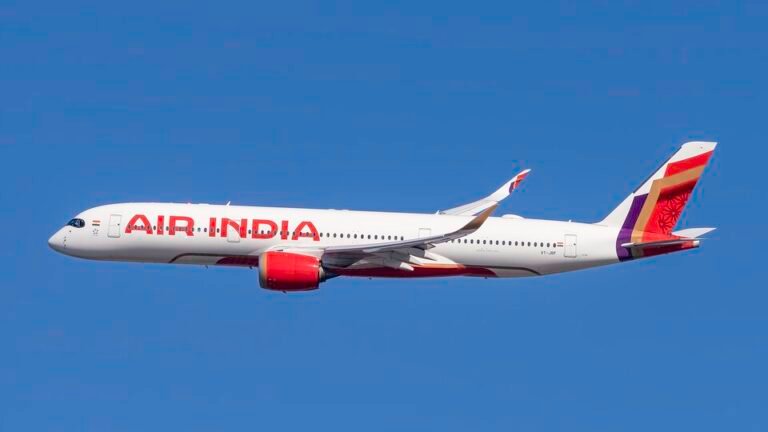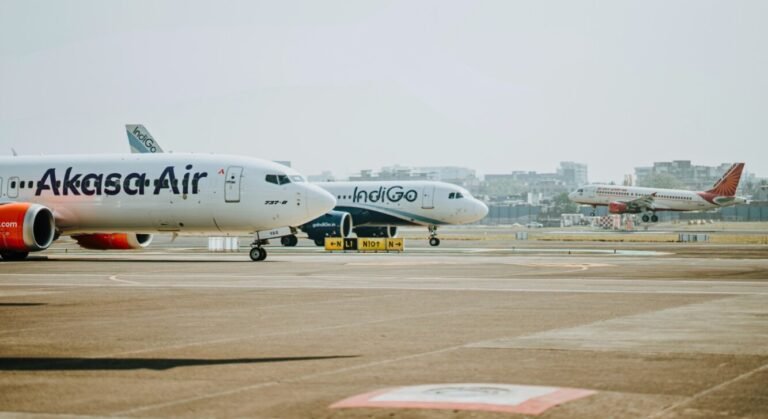
Delhi, India: India’s leading airlines, including IndiGo, Air India, and SpiceJet, have raised strong objections to newly implemented Flight Duty Time Limitations (FDTL) and cabin crew rest norms, claiming the rules are more restrictive than global standards and could disrupt flight operations, according to a report by PTI.
The carriers, through the Federation of Indian Airlines (FIA), have written to the Directorate General of Civil Aviation (DGCA) requesting reconsideration of certain provisions, arguing that the framework limits flexibility in crew rostering, particularly during peak travel periods. Industry insiders warn that stringent compliance could affect domestic flight schedules and hinder operational efficiency.
“While we fully support the objective of ensuring crew safety, some of the proposed restrictions are operationally challenging and do not align with global fatigue management practices,” the FIA said in a letter to the DGCA dated January 12.
In this letter to the Directorate General of Civil Aviation (DGCA), the Federation of Indian Airlines (FIA) called for “globally harmonised, evidence-based and operationally practical provisions” in the final norms. The FIA emphasized that flight duty period, rather than flight time, should be the primary measure used to manage daily cabin crew fatigue.
“Duty and rest limits may focus on Flight Duty Period and minimum rest periods, avoiding cumulative caps or direct linkage to the number of landings,” the FIA said in the letter, as reported by PTI.
The airlines’ opposition highlights the real-world impact of these rules. By November 1, 2025, stricter FDTL norms were enforced, leading to operational disruptions in December that contributed to widespread IndiGo flight cancellations and delays, in which they had to adjust pilot and crew rosters to comply with new duty hour limits.
Airlines argue that the regulatory framework, while well-intentioned, does not adequately account for the operational realities of India’s high-frequency domestic market, potentially creating a mismatch between safety compliance and service reliability.
After granting temporary exemptions to IndiGo for night duty adjustments in late 2025, the DGCA confirmed that all carriers must now fully comply with the revised rules as of February 2026. Failure to adhere could result in regulatory scrutiny and enforcement action.
The DGCA has also reiterated to the Delhi High Court that weekly pilot rest norms remain mandatory, maintaining the regulator’s firm stance on crew fatigue management.
With stricter FDTL rules now fully in effect, India’s aviation sector faces a delicate balance between operational efficiency and safety compliance. While regulators emphasize safety as the top priority, airlines continue to lobby for adjustments that better reflect international practices and operational realities.