News
Civil Aviation
Pilot Training
Flight School Analysis
Aviation Jobs
Training
Services
About Us
Contact Us

India’s MRO Market To Reach $5.7 Billion By 2030 Driven By Rapid Fleet Expansion

Picture of Aviation Today News Desk

Aviation Today News Desk

New Delhi, India: India’s maintenance, repair and overhaul (MRO) sector is set for sustained growth, with the market expected to reach $5.7 billion by 2030, up from an estimated $4.4 billion in 2025, according to a study report by Alan Lim and Joshua Ng, Directors of Singapore-based Alton Aviation Consultancy and aviation industry veterans. The report estimates a compound annual growth rate of about 5.4 percent, supported by rapid fleet expansion, increasing passenger traffic, and ongoing policy support aimed at strengthening the country’s aviation ecosystem. India’s commercial aircraft fleet is projected to expand significantly, crossing 1,800 aircraft by 2030. The growth will be led by narrow-body aircraft, which are expected to nearly double in number from over 700 currently to more than 1,300 within the decade. Beyond MRO growth, India is advancing a broader aerospace ecosystem to sustain long-term aviation expansion. “The government has set ambitious targets to expand domestic passenger traffic, increase the number of operational airports, and strengthen workforce and manufacturing capabilities, supported by large scale investments in airport infrastructure and new greenfield developments,” said Lim. Ng added, “Special economic zones, including GIFT City, are being positioned to anchor aircraft leasing.” Airlines in India have also placed substantial aircraft orders, with over 500 deliveries expected in the next five years, indicating a steady rise in maintenance demand across the aviation value chain. India’s airport infrastructure expansion continues to gather pace, with Navi Mumbai International Airport already operational since December 2025 and Noida International Airport set to begin operations in 2026, offering initial capacities of 12 million and 20 million passengers annually, respectively. Further capacity additions are underway with Dholera International Airport, targeted for completion by December 2026, and Bhogapuram International Airport, expected by June 2026, backed by significant planned investments. The study highlights that engine maintenance will contribute nearly half of the total MRO demand, making it the dominant segment in the market. At the same time, airframe maintenance and modification services are expected to witness the fastest growth during the forecast period. Global and domestic players are accelerating investments in India’s MRO ecosystem. Safran has inaugurated a €200 million LEAP engine MRO facility in Hyderabad to strengthen next-generation engine overhaul capabilities. IndiGo, in collaboration with Bengaluru International Airport, has also begun developing a dedicated MRO facility to support its growing fleet. Meanwhile, Thales has expanded its presence with a new avionics MRO facility, while the Adani Group has strengthened its position in the sector through the acquisitions of Air Works and AAR-Indamer Technics. Higher aircraft utilisation and increased flight frequencies are likely to drive more frequent maintenance cycles, particularly for engines and structural components. The government’s ongoing push to expand aviation infrastructure is expected to play a critical role in supporting the sector. Plans to develop over 100 additional airports in the coming years are set to take the total number of airports in India to more than 200 by 2030. This expansion, along with improved regional connectivity and continued growth of low-cost carriers, is expected to sustain long-term demand for MRO services. The report notes that recent policy measures including tax rationalisation, liberalised foreign investment norms, and initiatives to strengthen aircraft leasing and financing are improving the overall operating environment for MRO providers in India. These reforms are aimed at enhancing cost competitiveness and encouraging global players to establish or expand their MRO operations in the country, while reducing dependence on overseas facilities.
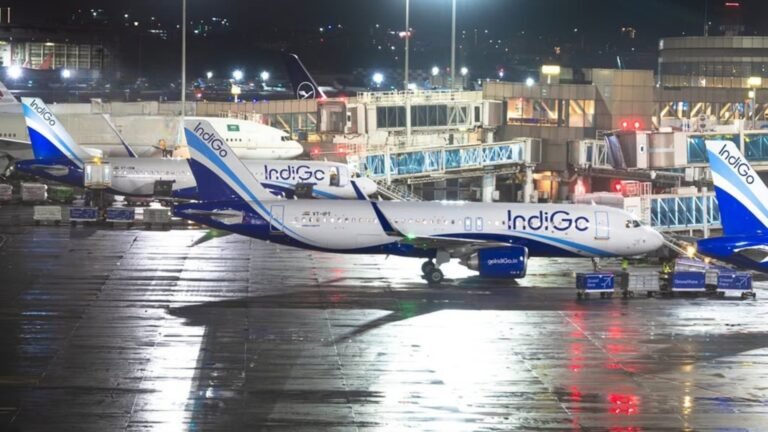
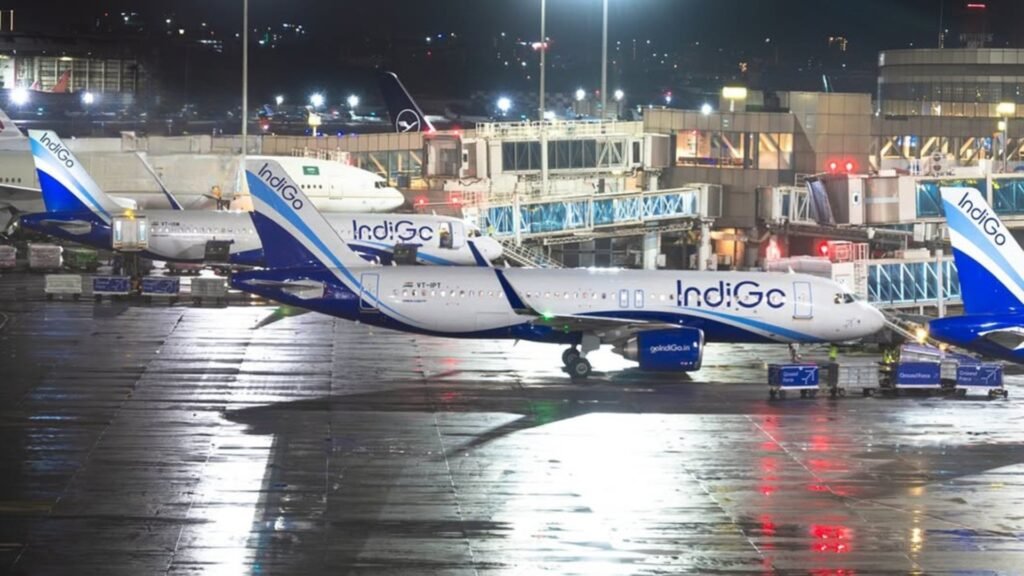
Image: IndiGo

New Delhi, India: India’s maintenance, repair and overhaul (MRO) sector is set for sustained growth, with the market expected to reach $5.7 billion by 2030, up from an estimated $4.4 billion in 2025, according to a study report by Alan Lim and Joshua Ng, Directors of Singapore-based Alton Aviation Consultancy and aviation industry veterans.

The report estimates a compound annual growth rate of about 5.4 percent, supported by rapid fleet expansion, increasing passenger traffic, and ongoing policy support aimed at strengthening the country’s aviation ecosystem.

India’s commercial aircraft fleet is projected to expand significantly, crossing 1,800 aircraft by 2030. The growth will be led by narrow-body aircraft, which are expected to nearly double in number from over 700 currently to more than 1,300 within the decade.

Beyond MRO growth, India is advancing a broader aerospace ecosystem to sustain long-term aviation expansion.

“The government has set ambitious targets to expand domestic passenger traffic, increase the number of operational airports, and strengthen workforce and manufacturing capabilities, supported by large scale investments in airport infrastructure and new greenfield developments,” said Lim.

Ng added, “Special economic zones, including GIFT City, are being positioned to anchor aircraft leasing.”

Airlines in India have also placed substantial aircraft orders, with over 500 deliveries expected in the next five years, indicating a steady rise in maintenance demand across the aviation value chain.

India’s airport infrastructure expansion continues to gather pace, with Navi Mumbai International Airport already operational since December 2025 and Noida International Airport set to begin operations in 2026, offering initial capacities of 12 million and 20 million passengers annually, respectively.

Further capacity additions are underway with Dholera International Airport, targeted for completion by December 2026, and Bhogapuram International Airport, expected by June 2026, backed by significant planned investments.

The study highlights that engine maintenance will contribute nearly half of the total MRO demand, making it the dominant segment in the market. At the same time, airframe maintenance and modification services are expected to witness the fastest growth during the forecast period.

Global and domestic players are accelerating investments in India’s MRO ecosystem. Safran has inaugurated a €200 million LEAP engine MRO facility in Hyderabad to strengthen next-generation engine overhaul capabilities.

IndiGo, in collaboration with Bengaluru International Airport, has also begun developing a dedicated MRO facility to support its growing fleet.

Meanwhile, Thales has expanded its presence with a new avionics MRO facility, while the Adani Group has strengthened its position in the sector through the acquisitions of Air Works and AAR-Indamer Technics.

Higher aircraft utilisation and increased flight frequencies are likely to drive more frequent maintenance cycles, particularly for engines and structural components.

The government’s ongoing push to expand aviation infrastructure is expected to play a critical role in supporting the sector. Plans to develop over 100 additional airports in the coming years are set to take the total number of airports in India to more than 200 by 2030.

This expansion, along with improved regional connectivity and continued growth of low-cost carriers, is expected to sustain long-term demand for MRO services.

The report notes that recent policy measures including tax rationalisation, liberalised foreign investment norms, and initiatives to strengthen aircraft leasing and financing are improving the overall operating environment for MRO providers in India.

These reforms are aimed at enhancing cost competitiveness and encouraging global players to establish or expand their MRO operations in the country, while reducing dependence on overseas facilities.


Leave a Comment

Subscribe to our Newsletter

Recent News