News
Civil Aviation
Pilot Training
Flight School Analysis
Aviation Jobs
Training
Services
About Us
Contact Us

India-EU Aviation Pact Boosts Manufacturing As Airbus-Tata H125 Project Advances

Picture of Aviation Today News Desk

Aviation Today News Desk

India-EU Aviation Pact Boosts Manufacturing As Airbus-Tata H125 Project Advances SEO DES: Officials said the framework will deepen India’s integration into global aviation supply chains & support Make in India in high-value aerospace production SOCIAL: India and the EU signed a Working Arrangement on Industrial Aviation Production on March 23, 2026, in New Delhi between DGCA and EASA to strengthen aviation manufacturing, safety certification, and regulatory cooperation. The EU published it on March 27, 2026, highlighting improved safety standards and industrial collaboration. The framework supports deeper integration into global aviation supply chains and boosts “Make in India” aerospace production. It is also linked to the Airbus-Tata helicopter assembly line in Karnataka, which is set to begin operations in April 2026, marking a key step in India’s aerospace manufacturing growth. New Delhi, India: India and the European Union signed a Working Arrangement on Industrial Aviation Production on March 23, 2026, in New Delhi, between the Directorate General of Civil Aviation (DGCA) and the European Union Aviation Safety Agency (EASA), aimed at strengthening cooperation in aviation manufacturing, safety certification, and industrial alignment between the two regions. The European Union officially published the agreement on March 27, 2026, confirming that the framework is intended to harmonise aviation safety and production standards, improve regulatory coordination, and support deeper industrial collaboration under the broader India–EU strategic partnership, according to the European External Action Service (EEAS). The arrangement focuses on aligning Indian aviation manufacturing processes with European Union aviation safety and certification standards, enabling closer cooperation between regulators, improving global acceptance of Indian-manufactured aerospace products, and supporting structured industrial engagement through technical collaboration and joint working mechanisms. Officials said the framework will help integrate India more deeply into global aviation supply chains while supporting the “Make in India” initiative in high-value aerospace production. A key industrial development linked to the agreement is the Airbus–Tata Advanced Systems Limited (TASL) helicopter programme in Karnataka, where the Airbus H125 helicopter final assembly line located in Vemagal, Kolar district, is expected to become operational in April 2026. The facility, developed as part of the Airbus-Tata partnership, represents India’s first private-sector helicopter final assembly line and is designed to support full-scale manufacturing activities including assembly, integration, testing, and delivery of helicopters. The Airbus H125, a widely used single-engine light utility helicopter, will be produced at the Karnataka facility for both civil and potential defence applications, including emergency medical services, disaster relief, law enforcement, and high-altitude operations. The programme is also expected to strengthen India’s role in global aerospace manufacturing by enabling local production, technology integration, and supply chain participation in helicopter systems. Officials noted that the India-EU aviation production arrangement complements such industrial initiatives by improving regulatory alignment between DGCA and EASA, which in turn supports smoother certification processes for aircraft and components manufactured in India. The collaboration is expected to enhance quality standards, strengthen safety oversight, and accelerate industrial cooperation in aviation manufacturing. The agreement is being viewed as a structural step in India-EU aerospace relations, as it expands cooperation beyond trade into manufacturing integration, regulatory convergence, and industrial development. Together with the Airbus-Tata helicopter assembly line in Karnataka, the initiative marks a significant advancement in India’s position within the global aviation manufacturing ecosystem, shifting the country further toward becoming a production and export base for aerospace systems rather than solely a consumer market.
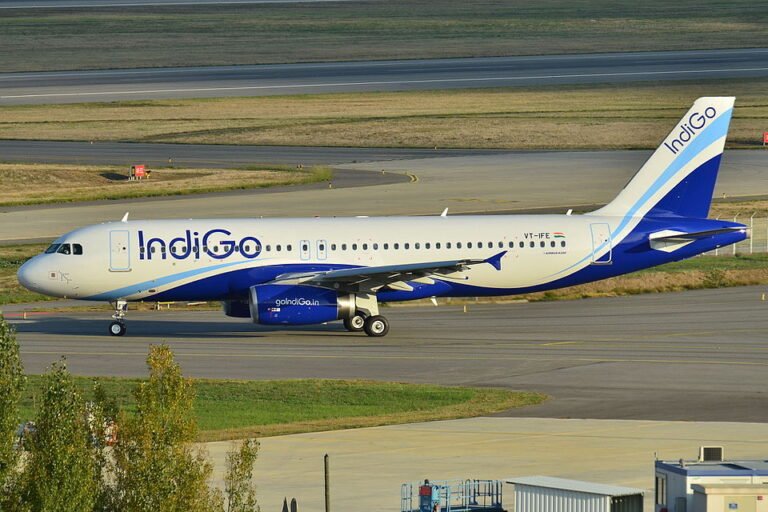
Image: Airbus

New Delhi, India: India and the European Union signed a Working Arrangement on Industrial Aviation Production on March 23, 2026, in New Delhi, between the Directorate General of Civil Aviation (DGCA) and the European Union Aviation Safety Agency (EASA), aimed at strengthening cooperation in aviation manufacturing, safety certification, and industrial alignment between the two regions. 

The European Union officially published the agreement on March 27, 2026, confirming that the framework is intended to harmonise aviation safety and production standards, improve regulatory coordination, and support deeper industrial collaboration under the broader India–EU strategic partnership, according to the European External Action Service (EEAS).

The arrangement focuses on aligning Indian aviation manufacturing processes with European Union aviation safety and certification standards, enabling closer cooperation between regulators, improving global acceptance of Indian-manufactured aerospace products, and supporting structured industrial engagement through technical collaboration and joint working mechanisms. 

Officials said the framework will help integrate India more deeply into global aviation supply chains while supporting the “Make in India” initiative in high-value aerospace production.

A key industrial development linked to the agreement is the Airbus–Tata Advanced Systems Limited (TASL) helicopter programme in Karnataka, where the Airbus H125 helicopter final assembly line located in Vemagal, Kolar district, is expected to become operational in April 2026. 

The facility, developed as part of the Airbus-Tata partnership, represents India’s first private-sector helicopter final assembly line and is designed to support full-scale manufacturing activities including assembly, integration, testing, and delivery of helicopters.

The Airbus H125, a widely used single-engine light utility helicopter, will be produced at the Karnataka facility for both civil and potential defence applications, including emergency medical services, disaster relief, law enforcement, and high-altitude operations. The programme is also expected to strengthen India’s role in global aerospace manufacturing by enabling local production, technology integration, and supply chain participation in helicopter systems.

Officials noted that the India-EU aviation production arrangement complements such industrial initiatives by improving regulatory alignment between DGCA and EASA, which in turn supports smoother certification processes for aircraft and components manufactured in India. The collaboration is expected to enhance quality standards, strengthen safety oversight, and accelerate industrial cooperation in aviation manufacturing.

The agreement is being viewed as a structural step in India-EU aerospace relations, as it expands cooperation beyond trade into manufacturing integration, regulatory convergence, and industrial development. 

Together with the Airbus-Tata helicopter assembly line in Karnataka, the initiative marks a significant advancement in India’s position within the global aviation manufacturing ecosystem, shifting the country further toward becoming a production and export base for aerospace systems rather than solely a consumer market.

Leave a Comment

Subscribe to our Newsletter

Recent News