News
Civil Aviation
Pilot Training
Flight School Analysis
Aviation Jobs
Training
Services
About Us
Contact Us

India Aviation Sector Losses Cross ₹24,000 Crore In 3 Years; ₹10,000 Crore More Likely

Picture of Aviation Today News Desk

Aviation Today News Desk

India Aviation Sector Losses Cross ₹24,000 Crore In 3 Years; ₹10,000 Crore More Likely SEO DES: Govt said post-1994 deregulation, airlines independently manage operations and finances based on market conditions without direct government control SOCIAL: India’s aviation sector reported ₹24,819 crore in losses over FY2022–23 to FY2024–25, the government informed Parliament. Losses were ₹18,606.78 crore in FY2022–23, ₹924.39 crore in FY2023–24, and ₹5,289.73 crore in FY2024–25 (provisional). The Ministry of Civil Aviation said the data was based on airline submissions. It also noted industry estimates of ₹9,500–₹10,500 crore additional losses in FY2025–26. The government reiterated that the sector is deregulated, with airlines independently managing operations and pricing, which depends on factors like fuel cost, demand, and capacity. New Delhi, India: India’s aviation sector has incurred cumulative losses of ₹24,819 crore over a three-year period from FY2022–23 to FY2024–25, the government informed the Rajya Sabha, reflecting continued financial strain across the industry. Minister of State for Civil Aviation Murlidhar Mohol, in a written reply, said the loss figures were based on data submitted by scheduled airline operators. According to the government, airlines reported losses of ₹18,606.78 crore in FY2022–23, which sharply narrowed to ₹924.39 crore in FY2023–24, before rising again to ₹5,289.73 crore (provisional) in FY2024–25, taking the total losses over the three financial years to ₹24,819 crore. The information was provided in response to a parliamentary query seeking details on the financial performance of the aviation sector, including loss trends and future outlook. The query also cited industry estimates suggesting that airlines could incur further losses in the range of ₹9,500 crore to ₹10,500 crore in FY2025–26, indicating that financial pressures may persist despite fluctuations in yearly performance. The government reiterated that the aviation sector operates in a deregulated environment following the repeal of the Air Corporations Act in March 1994, allowing airlines to independently take financial and operational decisions based on market conditions. It noted that aspects such as resource mobilisation, capacity planning and restructuring are managed by airlines on commercial considerations without direct government control. On airfare pricing, the minister said ticket rates are not regulated and are determined by airlines depending on several factors, including seat occupancy, fuel costs, aircraft capacity and seasonal demand. This dynamic pricing mechanism enables carriers to adjust fares in response to changing market conditions. Addressing cost structures, the government stated that the price of Aviation Turbine Fuel has been market-determined since April 1, 2001. ATF currently attracts 11 per cent central excise duty, while a reduced rate of 2 per cent applies to flights operating under the Regional Connectivity Scheme. In addition, state governments and Union Territories levy Value Added Tax on ATF at varying rates. Despite the deregulated framework, airlines continue to operate under regulatory oversight and are required to comply with provisions laid down under the Aircraft Rules, 1937, as well as civil aviation requirements issued by the Directorate General of Civil Aviation.
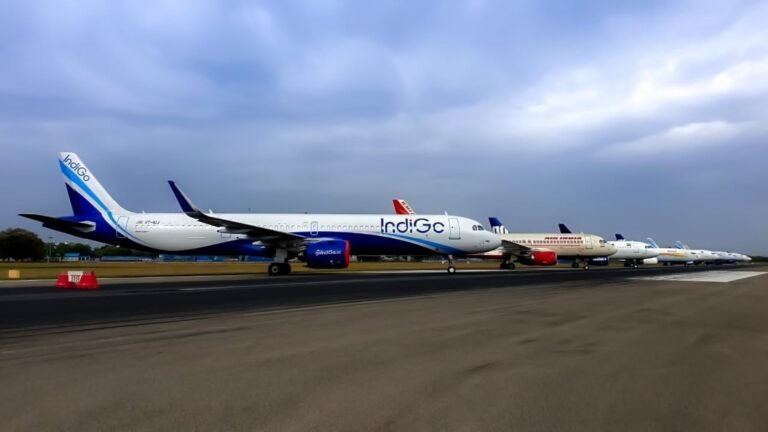
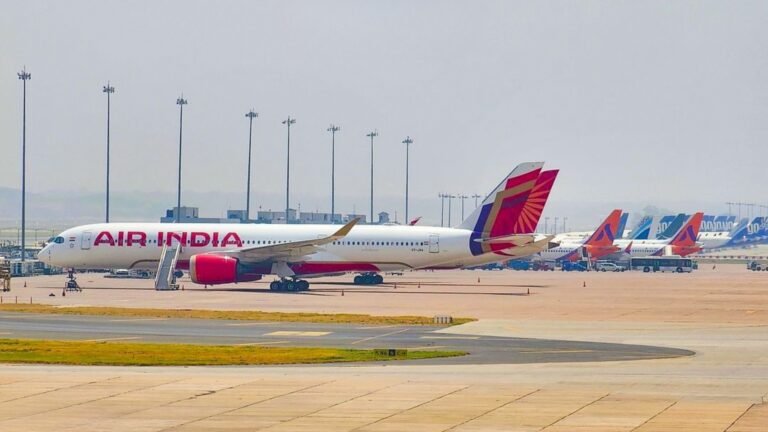
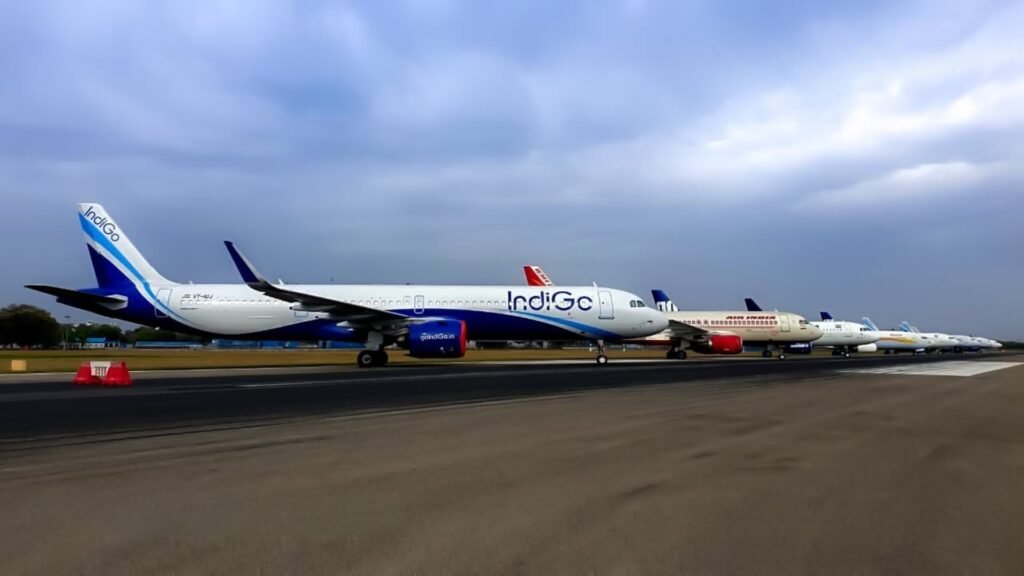
Image: Delhi Airport

New Delhi, India: India’s aviation sector has incurred cumulative losses of ₹24,819 crore over a three-year period from FY2022–23 to FY2024–25, the government informed the Rajya Sabha, reflecting continued financial strain across the industry.

Minister of State for Civil Aviation Murlidhar Mohol, in a written reply, said the loss figures were based on data submitted by scheduled airline operators. According to the government, airlines reported losses of ₹18,606.78 crore in FY2022–23, which sharply narrowed to ₹924.39 crore in FY2023–24, before rising again to ₹5,289.73 crore (provisional) in FY2024–25, taking the total losses over the three financial years to ₹24,819 crore.

The information was provided in response to a parliamentary query seeking details on the financial performance of the aviation sector, including loss trends and future outlook. The query also cited industry estimates suggesting that airlines could incur further losses in the range of ₹9,500 crore to ₹10,500 crore in FY2025–26, indicating that financial pressures may persist despite fluctuations in yearly performance.

The government reiterated that the aviation sector operates in a deregulated environment following the repeal of the Air Corporations Act in March 1994, allowing airlines to independently take financial and operational decisions based on market conditions. It noted that aspects such as resource mobilisation, capacity planning and restructuring are managed by airlines on commercial considerations without direct government control.

On airfare pricing, the minister said ticket rates are not regulated and are determined by airlines depending on several factors, including seat occupancy, fuel costs, aircraft capacity and seasonal demand. This dynamic pricing mechanism enables carriers to adjust fares in response to changing market conditions.

Addressing cost structures, the government stated that the price of Aviation Turbine Fuel has been market-determined since April 1, 2001. ATF currently attracts 11 per cent central excise duty, while a reduced rate of 2 per cent applies to flights operating under the Regional Connectivity Scheme. In addition, state governments and Union Territories levy Value Added Tax on ATF at varying rates.

Despite the deregulated framework, airlines continue to operate under regulatory oversight and are required to comply with provisions laid down under the Aircraft Rules, 1937, as well as civil aviation requirements issued by the Directorate General of Civil Aviation.

Leave a Comment

Subscribe to our Newsletter

Recent News

error: Unauthorized copying is not permitted