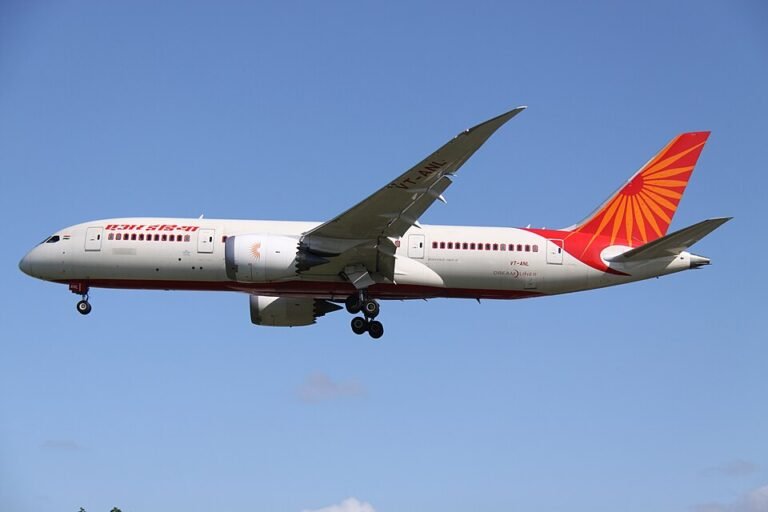
New Delhi, India: India has approved a sweeping expansion of its aviation sector, committing approximately $3.06 billion (₹28,840 crore) to strengthen regional air connectivity and develop 100 new airports under a revamped version of its flagship Ude Desh ka Aam Nagrik (UDAN) which translates to “Let the common citizen of the country fly” scheme.
The decision, cleared by the Union Cabinet, will see the programme implemented over a 10-year period from FY2026–27 to FY2035–36, marking one of the country’s most significant aviation infrastructure initiatives till date.
The government will develop 100 airports from currently unserved and underserved airstrips, targeting improved connectivity across Tier-2 and Tier-3 cities, as well as remote, hilly, and island regions.
In addition, the plan includes:
- 200 new heliports/helipads to enhance last-mile connectivity
- Expansion of aviation access in difficult terrains and emergency-response zones
Officials said the initiative aims to make air travel more accessible while unlocking regional economic potential.
The ₹28,840 crore outlay includes multiple funding components designed to address both infrastructure and operational challenges:
- ₹12,159 crore for airport development (CAPEX) over eight years
- ₹10,043 crore in viability gap funding (VGF) to support airlines on unprofitable routes
- ₹2,577 crore allocated for operation and maintenance (O&M) of around 441 aerodromes
- Development of heliports at an estimated ₹3,661 crore
The government will also support fleet expansion under its self-reliance initiative, including procurement of HAL Dhruv helicopters and Dornier aircraft for regional operations.
Launched in 2016, UDAN was designed to make flying affordable and expand connectivity to smaller cities. The scheme has already delivered measurable results:
- 663 routes operationalised
- 95 airports, heliports, and water aerodromes added
- Over 162 lakh (16.2 million) passengers carried
- More than 3.41 lakh flights operated
The next phase is expected to significantly scale this impact, with the government estimating benefits for around 4 crore passengers.
India currently has around 163 operational airports, up from 70 in 2014, reflecting rapid infrastructure expansion over the past decade.
The government now aims to increase this number to 350–400 airports by 2047, positioning the country as a major global aviation hub.
Authorities view aviation as a key driver of:
- Economic growth
- Job creation
- Tourism and regional development
At the same time, the policy addresses persistent sector challenges, including inadequate infrastructure and high operating costs, by combining infrastructure investment with airline subsidies.
The latest expansion shows India’s position as the world’s fastest-growing aviation market, with demand expected to surge in the coming decades.