New Delhi, India: A policy push by the government to strengthen passenger rights and enforce fare transparency has triggered sharp resistance from India’s leading airlines, setting the stage for a broader debate over pricing freedom and regulatory oversight in the aviation sector.
The Ministry of Civil Aviation, through the Directorate General of Civil Aviation (DGCA), has directed carriers to ensure that at least 60% of seats on every flight are available for free selection, a move aimed at reducing ancillary charges and allowing passengers, particularly families booked under a single PNR, to be seated together without paying extra.
The directive comes alongside a broader advisory asking airlines to maintain fares that are “reasonable, transparent and commensurate with market conditions,” even as the government transitions away from direct fare controls.
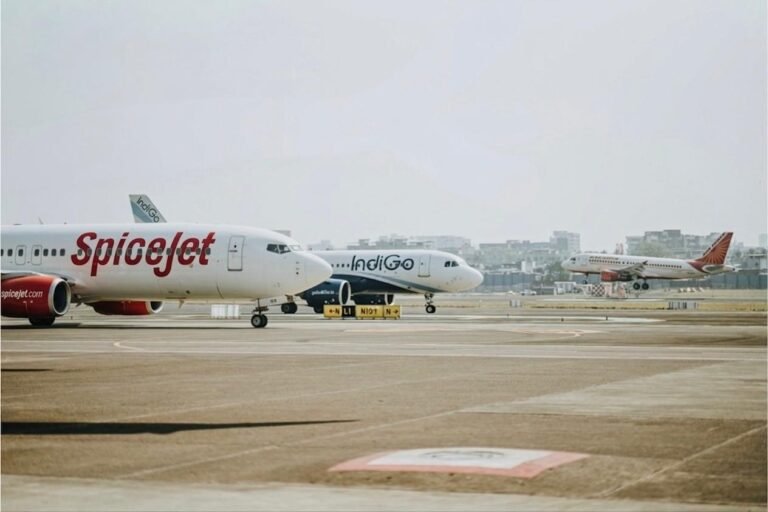
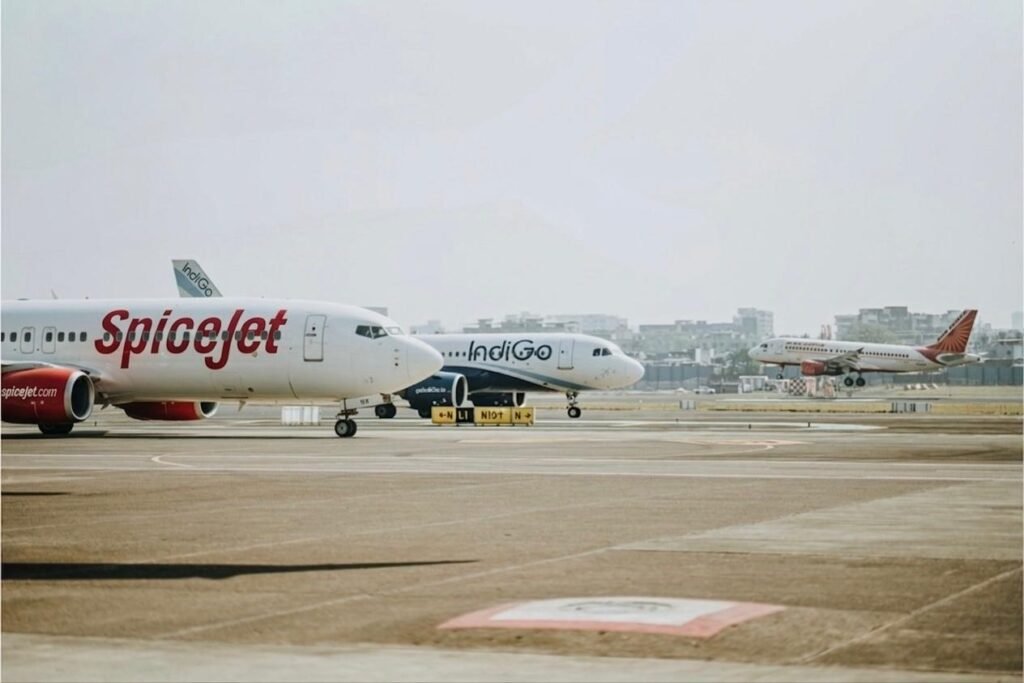
Major carriers including Air India, IndiGo and SpiceJet have opposed the 60% free seat selection mandate, arguing that it interferes with their commercial pricing models and could have unintended financial consequences.
Represented by the Federation of Indian Airlines (FIA), these carriers have formally approached the government, stating that seat selection fees form a critical component of ancillary revenues in an industry already operating on thin margins.
Airlines contend that such non-ticket income helps offset high operating costs, including fuel, maintenance, and airport charges, and that restricting it would disrupt their financial balance.
The government’s latest stance also marks a significant shift in its fare regulation approach. In its December 6 order, the ministry had imposed fare caps on economy class tickets, limiting prices to ₹7,500 for routes up to 500 km, ₹12,000 for distances between 500 and 1,000 km, ₹15,000 for sectors ranging from 1,000 to 1,500 km, and ₹18,000 for routes beyond 1,500 km, excluding taxes and additional fees.
However, with operations now stabilised, the ministry has announced that these caps “shall stand withdrawn with effect from March 23, 2026,” effectively restoring pricing flexibility to airlines while simultaneously cautioning them against excessive or opaque fare structures.
Airlines have warned that the combination of removing ancillary revenue streams through mandatory free seat allocation and expecting fare restraint could create financial strain.
Industry executives argue that instead of lowering travel costs, the policy may inadvertently push up base fares as carriers attempt to recover lost income. This, they say, could neutralise the intended benefit for passengers and lead to a redistribution of costs rather than an actual reduction in overall ticket prices.
The industry has also raised concerns about regulatory overreach, maintaining that fare determination in a competitive market should remain dynamic and driven by demand-supply factors.
The market response has reflected these concerns, with airline stocks reacting negatively following the announcement, highlighting investor apprehension over potential revenue impacts.
The ancillary revenues, including seat selection, baggage fees, and onboard services, have become an increasingly important part of airline business models globally, and any disruption to this stream could have wider financial implications.
For passengers, the new framework promises immediate relief in terms of fewer add-on charges and improved seating convenience, particularly for families and groups.
At the same time, the removal of fare caps theoretically allows for more competitive pricing, but also raises the risk of price volatility if not closely monitored. The government’s approach indicates a shift toward a hybrid model, where airlines are given pricing freedom but are expected to exercise self-regulation under regulatory scrutiny.