Delhi, India: Nearly 50% of Indian commercial aircraft audited by the Directorate General of Civil Aviation (DGCA) have been identified with recurring technical defects, according to figures presented by the Ministry of Civil Aviation in the Lok Sabha on Thursday. The disclosures, based on inspections conducted between January 2025 and 3 February 2026, underscore heightened regulatory scrutiny of airline maintenance practices across the country.
The DGCA analysed 754 aircraft belonging to six scheduled carriers for repetitive snags during routine safety checks and surveillance audits of these, 377 aircraft roughly half were found to have recurring defects, defined as technical issues that appeared repeatedly on the same aircraft despite previous corrective actions.
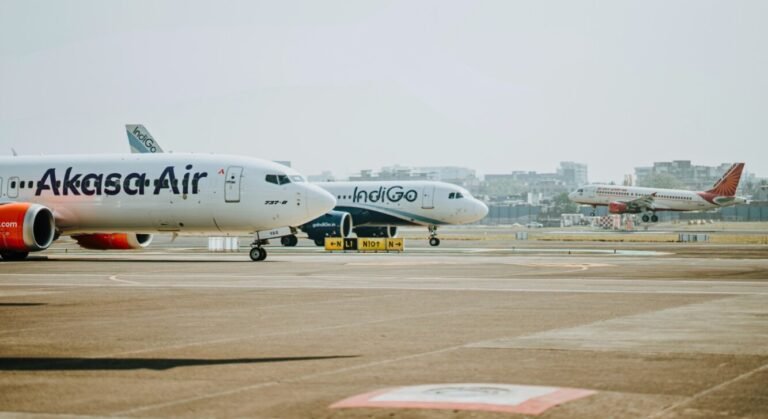
Detailed airline-wise figures presented in Parliament show:
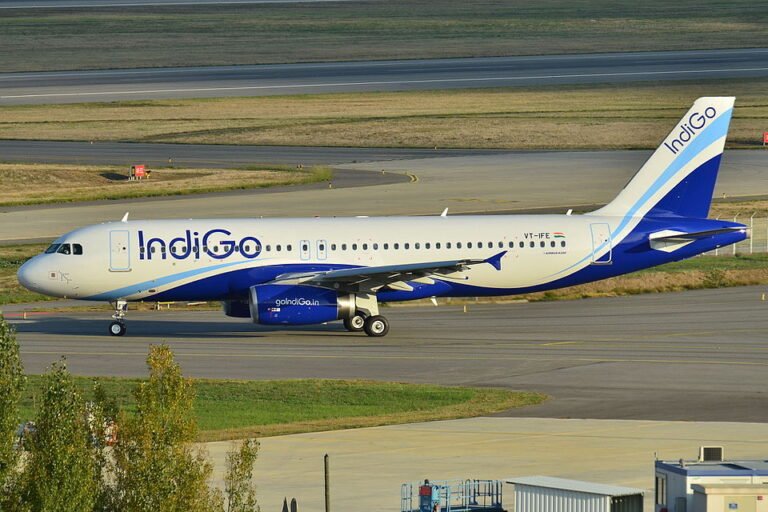
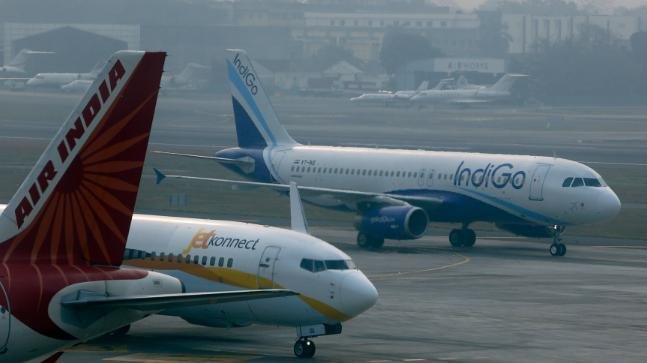
- IndiGo: 405 aircraft analysed, 148 flagged for recurring defects
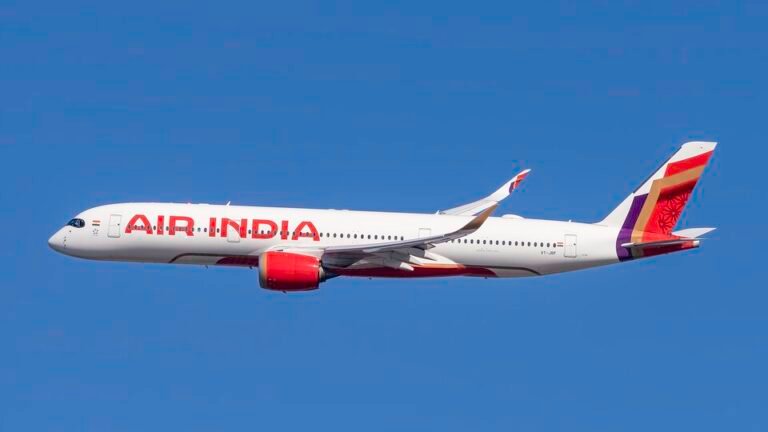
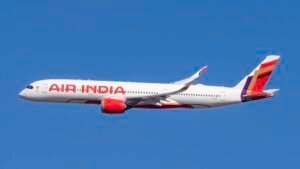
- Air India: 166 analysed, 137 flagged
- Air India Express: 101 analysed, 54 flagged
- SpiceJet: 43 analysed, 16 flagged
- Akasa Air: 32 analysed, 14 flagged
Government sources pointed out that many of the recurring issues relate to maintenance and equipment malfunctions. In the case of Air India, a spokesperson noted that most defects were in lower-priority “Category D” items such as seating equipment, tray tables and in-flight entertainment screens, which are not directly linked to aircraft safety.
Repetitive defects can range in severity, but their recurrence suggests that root-cause analysis and corrective action may not always be sufficient or timely.
To reinforce compliance and safety standards, the DGCA said it conducted an extensive set of oversight activities over the last year, including:
- 3,890 surveillance inspections
- 56 regulatory audits
- 84 checks of foreign aircraft (SOFA)
- 492 ramp inspections
- 874 spot checks and 550 night surveillance exercises
The regulator is mandated to monitor and enforce compliance with civil aviation requirements, and flagged deficiencies are expected to be followed up with corrective action and enforcement where necessary.
The audit findings come at a time when India’s aviation safety ecosystem faces sustained scrutiny following a series of reported technical events and operational challenges. In early February, an Air India Boeing 787 Dreamliner was temporarily grounded after a potential fuel control switch defect was reported by pilots following a London–Bengaluru flight. The UK Civil Aviation Authority has sought detailed explanations from the carrier.
Additionally, passenger flight disruptions and operational bottlenecks at several airlines in recent months have fueled public and political examination of maintenance practices and regulatory readiness.
Airline officials, particularly from the Air India Group, have stressed that rigorous checks and proactive inspections account for higher flagged numbers, and that many findings relate to cabin-level equipment rather than flight-critical systems. IndiGo has not publicly responded to
The recurring defects should not necessarily be conflated with immediate safety risks, but they highlight the importance of systematic maintenance quality, effective root-cause resolution, and consistent compliance with global safety standards.