Hong Kong, China: A power bank carried by a passenger aboard an Asiana Airlines flight from Seoul to Hong Kong overheated and caught fire mid-air on Thursday night, injuring one passenger and emphasizing ongoing aviation safety concerns related to lithium-battery devices.
The incident occurred on Flight OZ745, an Airbus A330-214 operating from Incheon International Airport (ICN) to Hong Kong International Airport (HKG) with 284 passengers on board. Around two hours into the flight, a portable battery charger (power bank) carried in the cabin ignited, producing smoke and flames near the economy class seating area.
Cabin crew responded within minutes, extinguishing the fire with onboard fire extinguishers. The device’s owner sustained a minor hand burn during the incident, while no other passengers or crew were seriously injured. Despite the onboard fire, the aircraft continued its scheduled flight and landed safely in Hong Kong at approximately 10:52 pm, just minutes behind schedule. Authorities in Hong Kong, including the Airport Authority and local police, were not required to intervene after landing.
Eyewitness accounts posted on social media described a brief moment of panic among passengers before the crew contained the situation. “For a moment, I thought I was going to die,” one passenger wrote, highlighting the anxiety such incidents can provoke even when managed effectively.
Asiana Airlines confirmed the matter was handled according to established safety procedures and that aviation regulators will be notified as part of standard post-incident processes.
In a similar incident on 20 March 2025, Hong Kong Airlines Flight HX115, an Airbus A320 flying from Hangzhou to Hong Kong, was forced to make an emergency diversion to Fuzhou Changle International Airport after a fire broke out in an overhead luggage compartment. The blaze, believed to have been caused by a portable power bank, was extinguished onboard by crew and passengers, and all 168 people on board disembarked safely with no injuries reported.
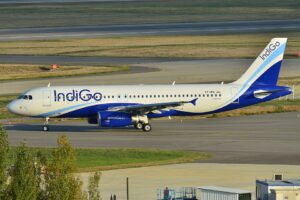
In response to rising incidents involving lithium‑ion batteries, India’s Directorate General of Civil Aviation (DGCA) has updated safety regulations to prohibit charging power banks during flights and mandate that such devices be carried only in hand luggage, not checked baggage. Domestic carriers like IndiGo have further restricted storage, requiring passengers to keep power banks within reach and not in overhead bins.
South Korea bans storing power banks and e-cigarettes in overhead bins and requires insulated handling, while Hong Kong and mainland China restrict uncertified batteries. Airline-level measures include Singapore Airlines and Scoot banning in-flight charging from April 2025, Thai Airways, AirAsia, EVA Air, and China Airlines restricting in-flight use.
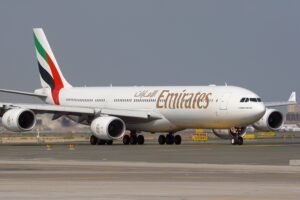
Emirates has banned the use of power banks onboard since 1 October 2025, allowing only one device under 100 Wh in cabin baggage, stored under the seat or in the seat pocket, and strictly forbidding charging or use during flight. Current rules at a glance: allowed with conditions carry power banks under specified watt-hour limits (typically 100 Wh) with clear labeling; prohibited placing in checked luggage, charging in-flight, or storing in overhead bins.