News
Civil Aviation
Pilot Training
Flight School Analysis
Aviation Jobs
Training
Services
About Us
Contact Us

IndiGo Flight Suffers Tail Strike During Landing At Ranchi Airport With No Injuries

Picture of Aviation Today News Desk

Aviation Today News Desk

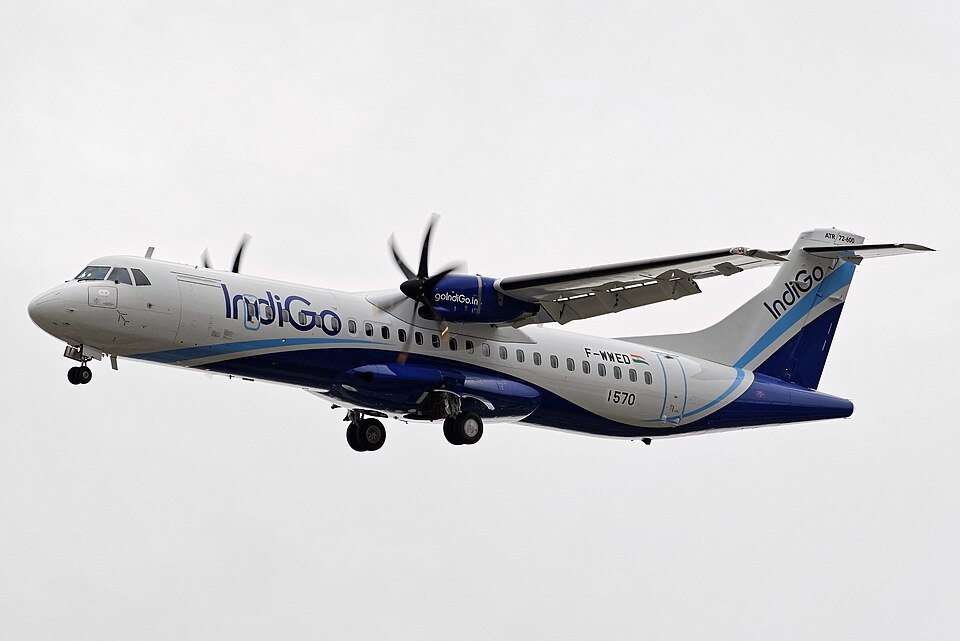
Ranchi, India: An IndiGo aircraft operating the Bhubaneswar–Ranchi sector experienced a tail strike while landing at Birsa Munda Airport on the evening of 12 December, officials confirmed. The incident caused a sudden jolt inside the cabin, but all passengers and crew were safe, with no reported injuries. Flight 6E‑7361, an ATR‑72 turboprop carrying about 70 passengers, made contact with the runway with its tail section during touchdown, according to airport authorities. Vinod Kumar, Ranchi Airport Director, confirmed that the impact was jolting but did not endanger passenger safety. “All passengers were safe. The aircraft sustained minor damage and has been grounded pending technical inspection,” Kumar stated. Following the incident, the aircraft was withdrawn from service after preliminary checks indicated it was unfit for further operations. The airline also cancelled the return flight from Ranchi to Bhubaneswar, offering passengers alternative arrangements or rescheduling options. Some passengers were transported by road to nearby destinations. Airport operations remained normal despite the incident. Aviation authorities and IndiGo’s technical team have launched an investigation to determine the cause of the tail strike, including factors such as aircraft configuration, weather conditions, or operational technique. Tail strikes occur when the rear portion of an aircraft contacts the runway during take-off or landing. While typically survivable, such incidents require detailed inspection to ensure structural and system integrity. In recent years, IndiGo has faced increased regulatory scrutiny over operational performance and safety standards, particularly amid widespread flight disruptions across its network. Earlier in March 2025, an IndiGo Airbus A321 operating Flight 6E‑5325 from Mumbai to Chennai also suffered a tail strike during landing at Chennai International Airport, when the aircraft’s empennage made contact with the runway surface. The aircraft was then grounded for technical inspection and necessary repairs, and the Directorate General of Civil Aviation (DGCA) launched a formal investigation into the incident to determine contributing factors, including flight operations and aircraft handling.
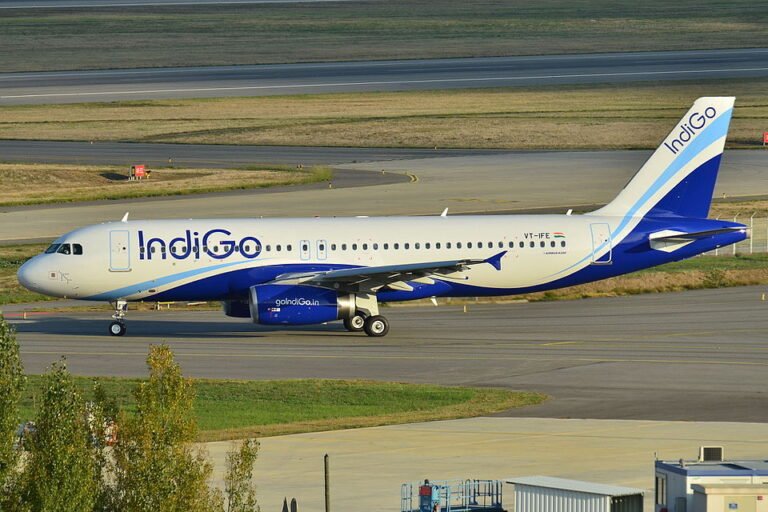
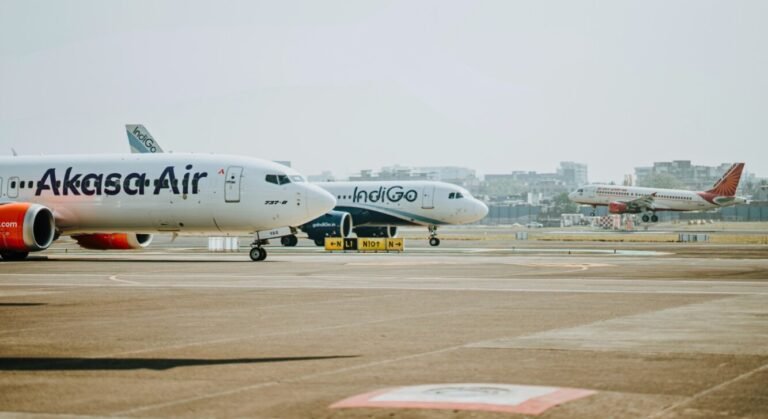
Image: Dylan Agbagni (Flickr) 

Ranchi, India: An IndiGo aircraft operating the Bhubaneswar–Ranchi sector experienced a tail strike while landing at Birsa Munda Airport on the evening of 12 December, officials confirmed. The incident caused a sudden jolt inside the cabin, but all passengers and crew were safe, with no reported injuries.

Flight 6E‑7361, an ATR‑72 turboprop carrying about 70 passengers, made contact with the runway with its tail section during touchdown, according to airport authorities. Vinod Kumar, Ranchi Airport Director, confirmed that the impact was jolting but did not endanger passenger safety.

“All passengers were safe. The aircraft sustained minor damage and has been grounded pending technical inspection,” Kumar stated.

Following the incident, the aircraft was withdrawn from service after preliminary checks indicated it was unfit for further operations. The airline also cancelled the return flight from Ranchi to Bhubaneswar, offering passengers alternative arrangements or rescheduling options. Some passengers were transported by road to nearby destinations.

Airport operations remained normal despite the incident. Aviation authorities and IndiGo’s technical team have launched an investigation to determine the cause of the tail strike, including factors such as aircraft configuration, weather conditions, or operational technique.

Tail strikes occur when the rear portion of an aircraft contacts the runway during take-off or landing. While typically survivable, such incidents require detailed inspection to ensure structural and system integrity.

In recent years, IndiGo has faced increased regulatory scrutiny over operational performance and safety standards, particularly amid widespread flight disruptions across its network.

Earlier in March 2025, an IndiGo Airbus A321 operating Flight 6E‑5325 from Mumbai to Chennai also suffered a tail strike during landing at Chennai International Airport, when the aircraft’s empennage made contact with the runway surface. The aircraft was then grounded for technical inspection and necessary repairs, and the Directorate General of Civil Aviation (DGCA) launched a formal investigation into the incident to determine contributing factors, including flight operations and aircraft handling. 

Leave a Comment

Subscribe to our Newsletter

Recent News