News
Civil Aviation
Pilot Training
Flight School Analysis
Aviation Jobs
Training
Services
About Us
Contact Us

IATA Forecasts Record Passenger Demand And $41bn Airline Profits In 2026

Picture of Aviation Today News Desk

Aviation Today News Desk

Montreal, Canada: Global air transport is positioned for a historic expansion in 2026, with passenger volumes and airline revenues reaching new heights even as supply chain constraints and cost pressures persist, according to the latest forecasts from the International Air Transport Association (IATA) and related industry reporting. Airlines worldwide are expected to carry approximately 5.2 billion passengers in 2026, marking a continued recovery from the pandemic era and outpacing previous demand projections, the industry body and multiple analysts report. The global airline industry’s combined net profit is forecast at around US$41 billion in 2026, an increase from roughly US$39.5 billion in 2025, though profit margins are expected to remain thin by historical standards. “This growth is extremely welcome considering the headwinds that the industry faces including rising costs from supply chain bottlenecks, geopolitical conflict, sluggish global trade and increasing regulatory burdens,” said Willie Walsh, IATA Director General, in the association’s latest outlook. Industry revenues are forecast to exceed US$1 trillion in 2026, broadening the sector’s economic footprint and anchoring the recovery in passenger demand. Revenue passenger kilometres (RPK) are expected to expand by around 4.9 percent, driven by continued travel appetite in key markets across Asia Pacific, the Middle East and the Americas. Seat load factors, a key measure of airline efficiency, are projected to rise to record levels of nearly 84 percent, indicating strong capacity utilization even as aircraft availability tightens. The Middle East is projected to outpace all regions in profitability in 2026, with carriers delivering the highest net profit margin (about 9.3 percent) and the highest profit per passenger (approximately US$28.6). This performance is attributed to strategic investment, supportive policy frameworks and the region’s role as a global connecting hub. However, IATA officials caution that profit strength is uneven, with some carriers still under pressure from geopolitical instability, blocked funds and uneven infrastructure development. Despite robust demand, airlines face persistent supply chain disruptions that continue to constrain aircraft deliveries and fleet renewal efforts. Production backlogs for new aircraft and engines remain at historic highs, creating a structural mismatch between airline requirements and manufacturing capacity that is unlikely to normalise before the early 2030s. Industry analysts warn that these bottlenecks including delays in delivery slots and parts shortages not only limit capacity growth but also contribute to rising maintenance costs and an aging global fleet. While aggregate profits are climbing, the net profit margin is expected to hover around 3.9 percent in 2026, modest by historical standards and reflective of sustained cost pressures. Factors such as labour costs, regulatory compliance, fuel price volatility and infrastructure charges continue to weigh on airline financials. Analysts also note that cargo operations remain resilient, though growth in cargo tonne kilometres is forecast to be more moderate compared with pre-pandemic peaks. Industry forecasts underscore a cautiously optimistic outlook for global aviation: strong passenger demand and revenue growth amid ongoing structural challenges. As airlines prepare for operational and financial execution in 2026, capacity management, supply chain resolves, and regional market dynamics will likely determine which carriers sustain profitability and growth.
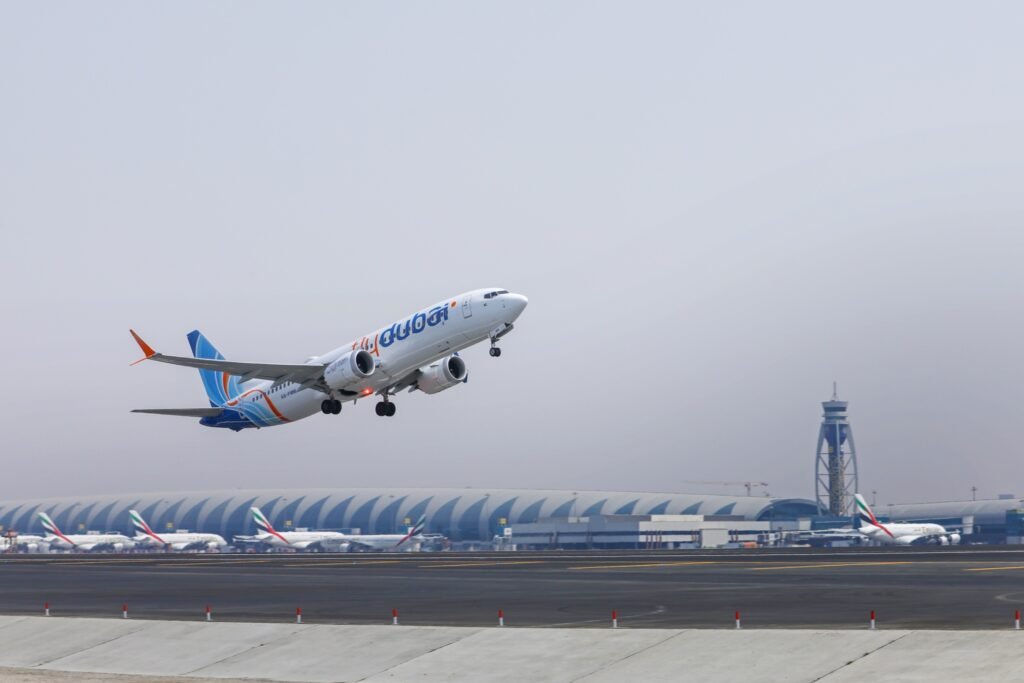
Image: Dubai International Airport

Montreal, Canada: Global air transport is positioned for a historic expansion in 2026, with passenger volumes and airline revenues reaching new heights even as supply chain constraints and cost pressures persist, according to the latest forecasts from the International Air Transport Association (IATA) and related industry reporting.

Airlines worldwide are expected to carry approximately 5.2 billion passengers in 2026, marking a continued recovery from the pandemic era and outpacing previous demand projections, the industry body and multiple analysts report. 

The global airline industry’s combined net profit is forecast at around US$41 billion in 2026, an increase from roughly US$39.5 billion in 2025, though profit margins are expected to remain thin by historical standards. 

“This growth is extremely welcome considering the headwinds that the industry faces including rising costs from supply chain bottlenecks, geopolitical conflict, sluggish global trade and increasing regulatory burdens,” said Willie Walsh, IATA Director General, in the association’s latest outlook.

Industry revenues are forecast to exceed US$1 trillion in 2026, broadening the sector’s economic footprint and anchoring the recovery in passenger demand. Revenue passenger kilometres (RPK) are expected to expand by around 4.9 percent, driven by continued travel appetite in key markets across Asia Pacific, the Middle East and the Americas.

Seat load factors, a key measure of airline efficiency, are projected to rise to record levels of nearly 84 percent, indicating strong capacity utilization even as aircraft availability tightens. 

The Middle East is projected to outpace all regions in profitability in 2026, with carriers delivering the highest net profit margin (about 9.3 percent) and the highest profit per passenger (approximately US$28.6). This performance is attributed to strategic investment, supportive policy frameworks and the region’s role as a global connecting hub. 

However, IATA officials caution that profit strength is uneven, with some carriers still under pressure from geopolitical instability, blocked funds and uneven infrastructure development. 

Despite robust demand, airlines face persistent supply chain disruptions that continue to constrain aircraft deliveries and fleet renewal efforts. Production backlogs for new aircraft and engines remain at historic highs, creating a structural mismatch between airline requirements and manufacturing capacity that is unlikely to normalise before the early 2030s. 

Industry analysts warn that these bottlenecks including delays in delivery slots and parts shortages not only limit capacity growth but also contribute to rising maintenance costs and an aging global fleet. 

While aggregate profits are climbing, the net profit margin is expected to hover around 3.9 percent in 2026, modest by historical standards and reflective of sustained cost pressures. Factors such as labour costs, regulatory compliance, fuel price volatility and infrastructure charges continue to weigh on airline financials. 

Analysts also note that cargo operations remain resilient, though growth in cargo tonne kilometres is forecast to be more moderate compared with pre-pandemic peaks. 

Industry forecasts underscore a cautiously optimistic outlook for global aviation: strong passenger demand and revenue growth amid ongoing structural challenges.

As airlines prepare for operational and financial execution in 2026, capacity management, supply chain resolves, and regional market dynamics will likely determine which carriers sustain profitability and growth.

Leave a Comment

Subscribe to our Newsletter

Recent News

error: Unauthorized copying is not permitted