News
Civil Aviation
Pilot Training
Flight School Analysis
Aviation Jobs
Training
Services
About Us
Contact Us

Airlines Hike Ticket Prices Worldwide As Middle East Crisis Drives Global Fuel Surge

Picture of Aviation Today News Desk

Aviation Today News Desk

Airlines Hike Ticket Prices Worldwide As Middle East Crisis Drives Global Fuel Surge SEO DES: Jet fuel prices jumped from $85–$90 to nearly $150–$200 per barrel, sharply raising airline operating costs, where fuel typically accounts for about 25–40% SOCIAL: Escalating tensions in the Middle East have triggered a sharp surge in aviation fuel prices, forcing airlines worldwide to raise ticket prices and introduce fuel surcharges. Jet fuel costs have climbed from about $85–$90 per barrel to nearly $150–$200, significantly increasing operating expenses, which typically account for 25–40% of airline costs. Carriers including Qantas, Air New Zealand, Scandinavian Airlines, Air India, Air India Express and Hong Kong Airlines have already raised fares or added surcharges, while others such as Thai Airways, Cathay Pacific, Finnair and Vietnam Airlines are adjusting routes and reviewing costs. Disruptions near the Strait of Hormuz through which 20–25% of global oil supply passes have pushed energy prices higher and forced airlines to reroute flights around restricted Middle Eastern airspace, increasing fuel burn and operational expenses across the global aviation industry. Global: Major global carriers are increasing ticket prices and imposing fuel surcharges as escalating conflict in the Middle East drives a sharp surge in aviation fuel costs and disrupts major air routes. The crisis has triggered one of the most significant cost shocks for the aviation sector since the pandemic recovery, forcing carriers across Asia, Europe, and Oceania to revise fares and operational strategies. Jet fuel prices have risen dramatically from around $85–$90 per barrel to between $150 and $200 per barrel in recent days, nearly doubling the cost of one of the airline industry’s largest expenses. Fuel typically accounts for 25–40% of airline operating costs, leaving carriers with little choice but to pass part of the increase on to passengers. The spike follows escalating military tensions involving Iran, the United States and Israel, which have disrupted global energy markets and aviation routes, particularly around the Gulf region. Several international carriers have already announced fare increases or fuel surcharges as they attempt to offset rising operating costs. Qantas: Australia’s Qantas Airways has raised fares on international routes after jet fuel costs surged. The airline said ticket prices will increase by about 5% on some routes, with variations depending on distance and demand. Its low-cost subsidiary Jetstar has also adjusted fares in response to the fuel spike. Air New Zealand: Air New Zealand has increased ticket prices and announced plans to cut around 5% of its flights to roughly 1,100 services through early May 2026, affecting about 44,000 passengers, as rising fuel costs and longer flight routes strain operations. Scandinavian Airlines (SAS): Scandinavian Airlines (SAS) confirmed it has increased fares across several routes due to the rapid rise in jet fuel prices, while also reviewing its financial outlook amid cost pressures. Air India and Air India Express: India’s Air India and Air India Express have introduced a fuel surcharge of ₹399 per domestic ticket starting March 12, with additional adjustments expected on international routes. The airline said the move is necessary after aviation turbine fuel prices surged due to geopolitical tensions in the Gulf region. Hong Kong Airlines: Hong Kong Airlines has raised fuel surcharges by up to 35.2%, with the steepest increases applied to long-haul flights, reflecting the rapid escalation in jet fuel prices. Other Airlines Affected Other carriers responding to the crisis include: Thai Airways – reviewing fares and operating costs. Cathay Pacific – rerouting flights to Europe via alternative corridors. Finnair – adjusting routes and warning of cost pressures. Vietnam Airlines – facing potential fuel shortages if disruptions continue. The fare increases are closely linked to disruptions in global oil supply caused by the conflict around the Strait of Hormuz, one of the world’s most critical energy shipping routes. Roughly 20–25% of global oil supply normally passes through the strait, and attacks on shipping and energy infrastructure have sharply reduced tanker traffic and pushed global energy prices higher. Brent crude oil prices briefly surged above $100 per barrel, while aviation fuel benchmarks climbed sharply, driving airline operating costs upward worldwide. In addition to higher fuel prices, airlines are also dealing with operational disruptions caused by restricted airspace across parts of the Middle East. Several countries in the region temporarily closed their airspace following the escalation of hostilities, forcing airlines to reroute flights on longer paths between Asia, Europe and the Middle East. Longer routes increase fuel burn and operational costs, further pushing airlines toward fare increases. Airlines serving major hubs such as Dubai and Doha have also faced congestion and holding patterns due to the rerouting of flights away from conflict zones.

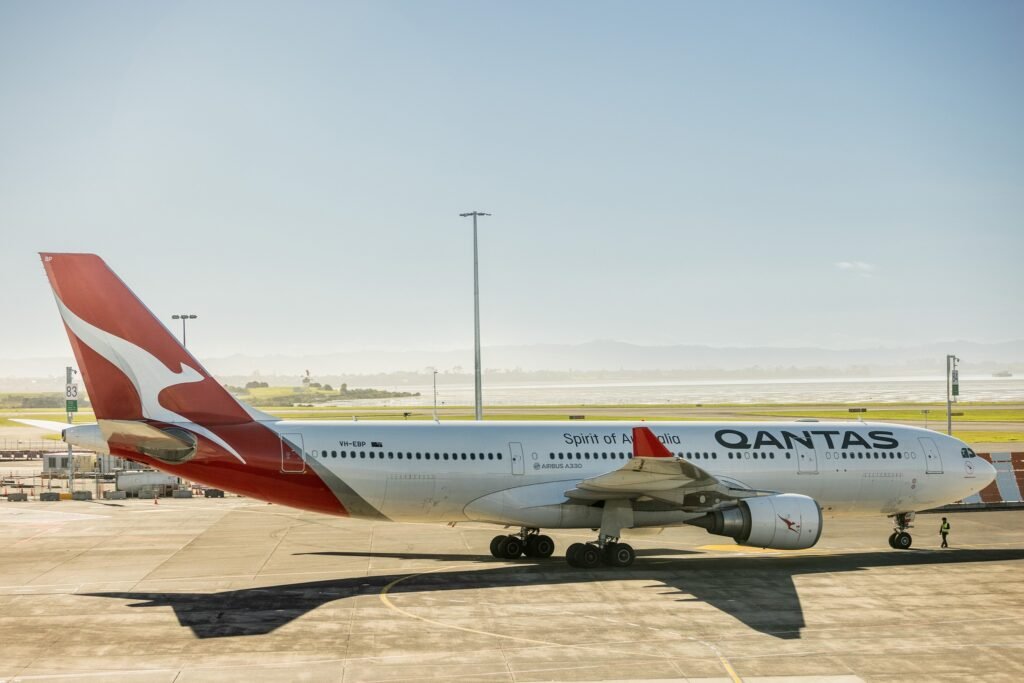
Image: Qantas

Global: Major global carriers are increasing ticket prices and imposing fuel surcharges as escalating conflict in the Middle East drives a sharp surge in aviation fuel costs and disrupts major air routes. The crisis has triggered one of the most significant cost shocks for the aviation sector since the pandemic recovery, forcing carriers across Asia, Europe, and Oceania to revise fares and operational strategies.

Jet fuel prices have risen dramatically from around $85–$90 per barrel to between $150 and $200 per barrel in recent days, nearly doubling the cost of one of the airline industry’s largest expenses. Fuel typically accounts for 25–40% of airline operating costs, leaving carriers with little choice but to pass part of the increase on to passengers.

The spike follows escalating military tensions involving Iran, the United States and Israel, which have disrupted global energy markets and aviation routes, particularly around the Gulf region.

Several international carriers have already announced fare increases or fuel surcharges as they attempt to offset rising operating costs.

Qantas: Australia’s Qantas Airways has raised fares on international routes after jet fuel costs surged. The airline said ticket prices will increase by about 5% on some routes, with variations depending on distance and demand. Its low-cost subsidiary Jetstar has also adjusted fares in response to the fuel spike.

Air New Zealand: Air New Zealand has increased ticket prices and announced plans to cut around 5% of its flights to roughly 1,100 services through early May 2026, affecting about 44,000 passengers, as rising fuel costs and longer flight routes strain operations.

Scandinavian Airlines (SAS): Scandinavian Airlines (SAS) confirmed it has increased fares across several routes due to the rapid rise in jet fuel prices, while also reviewing its financial outlook amid cost pressures.

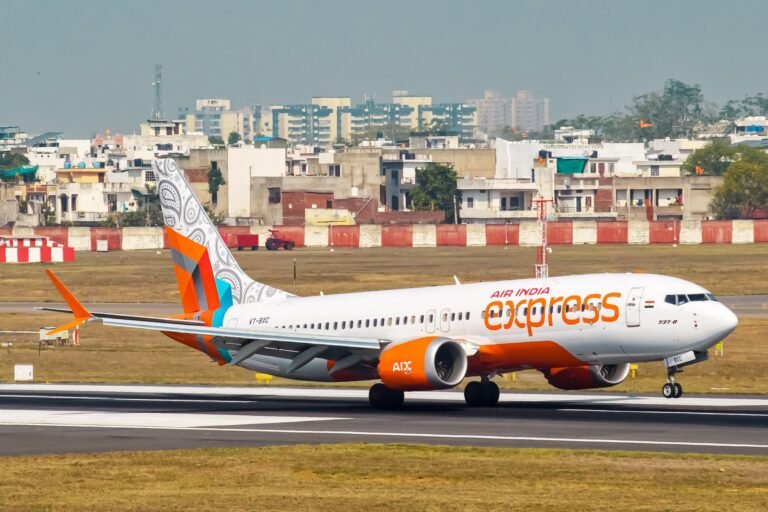
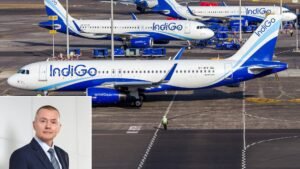
Air India and Air India Express: India’s Air India and Air India Express have introduced a fuel surcharge of ₹399 per domestic ticket starting March 12, with additional adjustments expected on international routes. The airline said the move is necessary after aviation turbine fuel prices surged due to geopolitical tensions in the Gulf region.

Hong Kong Airlines: Hong Kong Airlines has raised fuel surcharges by up to 35.2%, with the steepest increases applied to long-haul flights, reflecting the rapid escalation in jet fuel prices.

Other Airlines Affected

Other carriers responding to the crisis include:

  • Thai Airways – reviewing fares and operating costs.
  • Cathay Pacific – rerouting flights to Europe via alternative corridors.
  • Finnair – adjusting routes and warning of cost pressures.
  • Vietnam Airlines – facing potential fuel shortages if disruptions continue.

The fare increases are closely linked to disruptions in global oil supply caused by the conflict around the Strait of Hormuz, one of the world’s most critical energy shipping routes.

Roughly 20–25% of global oil supply normally passes through the strait, and attacks on shipping and energy infrastructure have sharply reduced tanker traffic and pushed global energy prices higher.

Brent crude oil prices briefly surged above $100 per barrel, while aviation fuel benchmarks climbed sharply, driving airline operating costs upward worldwide.

In addition to higher fuel prices, airlines are also dealing with operational disruptions caused by restricted airspace across parts of the Middle East.

Several countries in the region temporarily closed their airspace following the escalation of hostilities, forcing airlines to reroute flights on longer paths between Asia, Europe and the Middle East. Longer routes increase fuel burn and operational costs, further pushing airlines toward fare increases.

Airlines serving major hubs such as Dubai and Doha have also faced congestion and holding patterns due to the rerouting of flights away from conflict zones. 
Leave a Comment

Subscribe to our Newsletter

Recent News

error: Unauthorized copying is not permitted