News
Civil Aviation
Pilot Training
Flight School Analysis
Aviation Jobs
Training
Services
About Us
Contact Us

Greek Government Report Links Jan 4 Athens Blackout To Outdated Systems, No Cyberattack

Picture of Aviation Today News Desk

Aviation Today News Desk

Athens, Greece: A government-appointed investigation has concluded that last week’s eight-hour communications blackout in Greek airspace at Athens International Airport was caused by outdated and unsynchronised systems, not a cyberattack, exposing critical infrastructure vulnerabilities in one of Europe’s busiest flight regions. On January 4, radio communications across the Athens Flight Information Region (FIR) collapsed in a “blackout” that forced authorities to clear the airspace, ground departures and divert incoming flights for several hours. The incident left thousands of passengers stranded and triggered delays that rippled through European air traffic networks. According to the official report submitted to Infrastructure and Transport Minister Christos Dimas, the root cause was desynchronisation and “digital noise” in legacy telecommunications hardware supporting the Greek Civil Aviation Authority’s (HCAA) voice communication system. The systems rely on Synchronous Digital Hierarchy (SDH) technology no longer supported by manufacturers, leaving them vulnerable to failures without modern operational guarantees. The expert panel, which included representatives from the HCAA, national cybersecurity authority, telecom regulator and EUROCONTROL, confirmed there were no indications of a cyberattack or external interference. Full restoration occurred after telecommunications circuits were resynchronised and rerouted, with services returning to normal by approximately 16:53 local time. The incident was classified as “low risk” under aviation safety reporting criteria, with no breaches of minimum separation standards or evidence that aircraft were exposed to direct threat, according to the report. In the wake of the findings, HCAA governor Giorgos Saounatsos resigned at the request of Minister Dimas, who said the report underscored serious weaknesses in air traffic management infrastructure. Deputy governor Giorgos Vagenas will serve as interim head while the process to appoint a new administrator begins. The investigative committee recommended a rapid transition to Voice over IP (VoIP) communications, acquisition of nearly 500 new transceivers, and the establishment of a permanent joint crisis-response mechanism between the HCAA and national telecom provider OTE. It also called for improved remote monitoring, stronger spectrum oversight and relocation of critical facilities to reduce systemic risk. A ministry statement said plans to modernise Greece’s air traffic communications are underway but not expected to be complete before 2028, leaving systemic vulnerabilities in place as the nation prepares for its peak summer travel season. Air traffic controllers’ unions and aviation safety experts have long warned that ageing infrastructure and equipment obsolescence posed escalating operational risks. Following release of the committee’s findings, controllers stressed that safety on January 4 was maintained chiefly through manual procedures and emergency protocols, not because of robust systems. They have urged immediate action to align Greece’s air navigation capabilities with modern European standards.
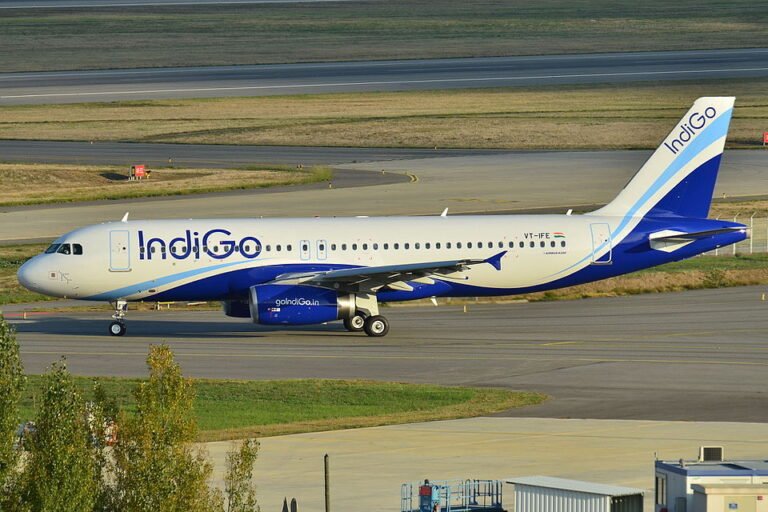
Image: Athens International Airport

Athens, Greece: A government-appointed investigation has concluded that last week’s eight-hour communications blackout in Greek airspace at Athens International Airport was caused by outdated and unsynchronised systems, not a cyberattack, exposing critical infrastructure vulnerabilities in one of Europe’s busiest flight regions.

On January 4, radio communications across the Athens Flight Information Region (FIR) collapsed in a “blackout” that forced authorities to clear the airspace, ground departures and divert incoming flights for several hours. The incident left thousands of passengers stranded and triggered delays that rippled through European air traffic networks.

According to the official report submitted to Infrastructure and Transport Minister Christos Dimas, the root cause was desynchronisation and “digital noise” in legacy telecommunications hardware supporting the Greek Civil Aviation Authority’s (HCAA) voice communication system. The systems rely on Synchronous Digital Hierarchy (SDH) technology no longer supported by manufacturers, leaving them vulnerable to failures without modern operational guarantees.

The expert panel, which included representatives from the HCAA, national cybersecurity authority, telecom regulator and EUROCONTROL, confirmed there were no indications of a cyberattack or external interference. Full restoration occurred after telecommunications circuits were resynchronised and rerouted, with services returning to normal by approximately 16:53 local time.

The incident was classified as “low risk” under aviation safety reporting criteria, with no breaches of minimum separation standards or evidence that aircraft were exposed to direct threat, according to the report.

In the wake of the findings, HCAA governor Giorgos Saounatsos resigned at the request of Minister Dimas, who said the report underscored serious weaknesses in air traffic management infrastructure. Deputy governor Giorgos Vagenas will serve as interim head while the process to appoint a new administrator begins.

The investigative committee recommended a rapid transition to Voice over IP (VoIP) communications, acquisition of nearly 500 new transceivers, and the establishment of a permanent joint crisis-response mechanism between the HCAA and national telecom provider OTE. It also called for improved remote monitoring, stronger spectrum oversight and relocation of critical facilities to reduce systemic risk.

A ministry statement said plans to modernise Greece’s air traffic communications are underway but not expected to be complete before 2028, leaving systemic vulnerabilities in place as the nation prepares for its peak summer travel season.

Air traffic controllers’ unions and aviation safety experts have long warned that ageing infrastructure and equipment obsolescence posed escalating operational risks. Following release of the committee’s findings, controllers stressed that safety on January 4 was maintained chiefly through manual procedures and emergency protocols, not because of robust systems. They have urged immediate action to align Greece’s air navigation capabilities with modern European standards.


Leave a Comment

Subscribe to our Newsletter

Recent News

error: Unauthorized copying is not permitted