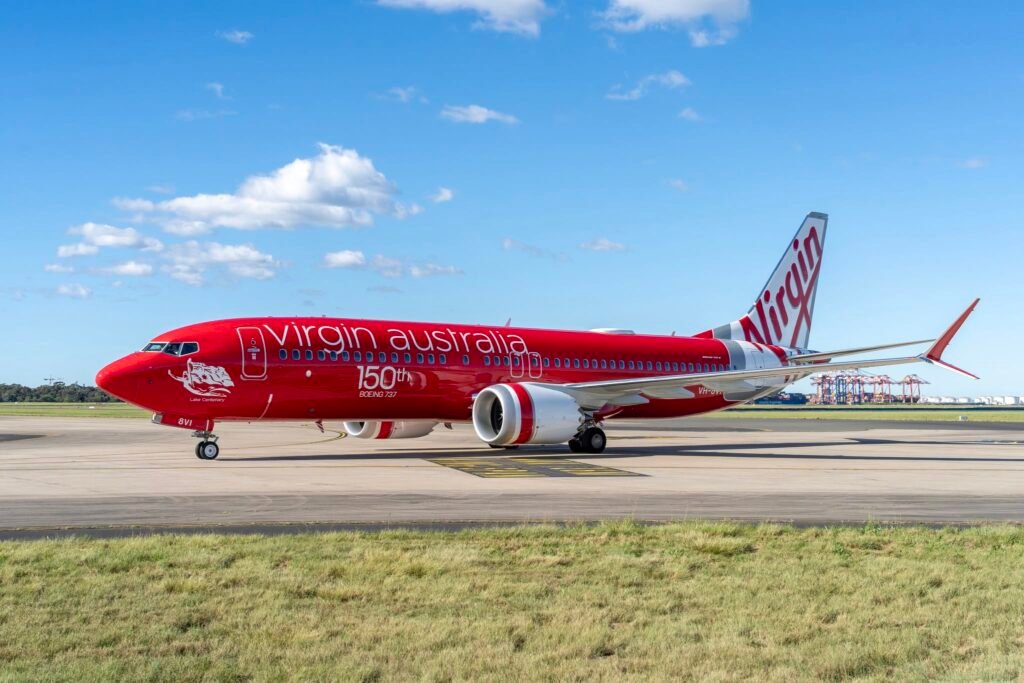
Sydney, Australia: Virgin Australia cabin crew will vote on whether to authorise protected industrial action as negotiations over their pay and working conditions continue, with the Transport Workers’ Union (TWU) pushing for changes to rostering, duty limits, fatigue protections and career progression. The development is a vote on the possible authorisation of industrial action.
The TWU says cabin crew pay and conditions “still have not returned to pre-pandemic levels”. The union is seeking a reset of working conditions, including fairer rostering, limits on duties that it says are pushing crew towards exhaustion, clearer progression through pay classifications and stronger fatigue protections through increased minimum rest periods.
The union has also pointed to Virgin Australia’s financial performance, saying the airline recorded a $501 million profit for the last financial year. TWU National Secretary Michael Kaine said cabin crew had accepted cuts during the COVID-19 period to help the airline through administration and argued that the workforce should now benefit from the airline’s stronger financial position.
“Virgin cabin crew took cuts to their pay and conditions during COVID to get the airline through administration, but they are still operating under crisis conditions that have seen them regularly pushed to exhaustion,” Kaine said.
Kaine also criticised the financial returns to Virgin’s former owner Bain Capital and referred to former Virgin Australia CEO Jayne Hrdlicka’s reported $50 million exit package.
“Now the airline is making bumper profits, Bain is siphoning billions to put in executives’ pockets, and CEOs are walking out the door with $50 million pay cheques. Clearly Bain can also afford to deliver for these workers, who gave up so much to keep the lights on,” he said.
The TWU said cabin crew are also seeking changes to rostering arrangements because of increasingly fatiguing duties. It said the company has not committed to the rostering changes the union is seeking and described fatigue among crew as having reached “crisis levels”.
Virgin Australia has a different position on the negotiations. The airline said it was “disappointed that the TWU has chosen to lodge an application for a Protected Action Ballot Order in relation to our negotiations”.
“We recognise the important role our cabin crew team members play,” a Virgin Australia spokesperson said.
“We continue to negotiate with all parties in good faith, and our priority remains finalising an enterprise agreement that recognises and rewards our team members, while supporting the long-term sustainability of the business.”
According to Australian Aviation, Virgin Australia’s current offer includes pay increases of between 14% and 29% over three years, together with weekend loadings, higher allowances, a significant reduction in maximum hours for most duties and increased rest when crew are away from home.
The immediate issue, therefore, is whether cabin crew will authorise the use of protected industrial action as part of the bargaining process. A vote to authorise such action would not itself mean that cabin crew are immediately going on strike. The current development is the move towards a protected-action ballot while negotiations over the enterprise agreement continue.
The TWU’s cabin-crew development comes alongside a separate industrial-action matter involving Virgin Australia ground staff represented by the Australian Services Union (ASU). Australian Aviation reports that those ground staff have also voted on protected action, with the ASU saying Virgin’s latest enterprise-agreement proposal fell “well short” of members’ expectations.
The two developments should not be treated as the same dispute: the current cabin-crew ballot is being pursued by the TWU, while the ASU matter concerns Virgin Australia ground staff.
The Australian Services Union (ASU) says its protected industrial action against Virgin Australia begins on Wednesday, with members encouraged to make the campaign visible through changes to their uniforms, including wearing union material, removing ties or scarves, and making permitted changes to footwear or makeup. Customer-facing employees are also encouraged to briefly explain the campaign to passengers and distribute ASU flyers without causing delays, while members can take photographs of their participation, subject to safety obligations.
At the same time, the ASU will take its bargaining dispute with Virgin Australia to the Fair Work Commission on 28 and 29 October, seeking resolution of outstanding issues and a fair agreement. The union says the action will continue during the Commission discussions and may escalate if Virgin does not make progress
For Virgin Australia cabin crew, the focus now remains on the enterprise-agreement negotiations and the ballot on protected industrial action, with the TWU pressing for changes to pay, rostering, duty limits, fatigue protections and progression, while Virgin maintains that it is negotiating in good faith and has put forward a substantial pay and conditions offer.