News
Civil Aviation
Pilot Training
Flight School Analysis
Aviation Jobs
Training
Services
About Us
Contact Us

UK CAA Seeks Formal Explanation On Air India 787 Fuel Switch Event; DGCA Finds No Fault

Picture of Aviation Today News Desk

Aviation Today News Desk

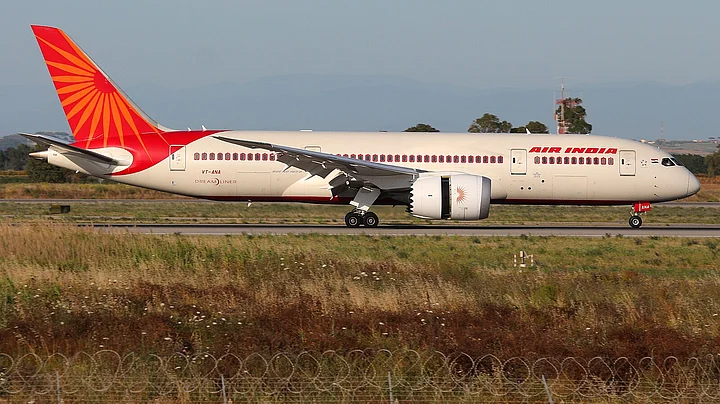
London, United Kingdom: The UK Civil Aviation Authority (CAA) has formally asked Air India to provide a detailed explanation of an incident involving a Boeing 787-8 Dreamliner that departed London Heathrow Airport on February 1 despite a reported anomaly with a critical aircraft system. The regulator has warned the airline that failure to respond fully within one week could trigger regulatory action affecting its Dreamliner operations. Air India flight AI132, operating a Boeing 787-8 Dreamliner registered VT-ANX, departed Heathrow for Bengaluru after pilots noted irregular behaviour with a fuel control switch, a vital cockpit control that regulates fuel flow to the engines. During engine start, one of the two fuel control switches did not remain positively latched in the “RUN” position on the first two attempts before stabilising on the third. The flight continued without in-air issues and landed in Bengaluru. Upon arrival, the crew filed a defect report citing the anomaly, and the aircraft was grounded for inspection on February 2. The UK Civil Aviation Authority has taken the step of demanding a formal response from Air India, including: A comprehensive account of pre-flight maintenance actions taken before departure, A root-cause analysis of the fuel control switch event, A preventive action plan to reduce the risk of recurrence across Air India’s Dreamliner fleet, which comprises 33 aircraft. In official correspondence, the CAA emphasised that regulators routinely seek detailed explanations following incidents affecting safety-critical components, particularly when an aircraft departs with a potential defect. Air India said it conducted precautionary re-inspections of fuel control switches across its Boeing 787 fleet after the incident and reported no issues found during these checks. The airline acknowledged the Directorate General of Civil Aviation (DGCA) oversight and said it will comply with the regulator’s guidance to circulate Boeing’s recommended operating procedures for the switches to all flight crews. India’s DGCA also issued a clarification, stating that post-flight inspections determined the fuel switches were serviceable and functioning normally. According to the regulator, the switch may move if light pressure is applied in an incorrect direction, but its design does not indicate a defect when used according to approved procedures. The DGCA advised Air India to reinforce correct switch handling among pilots. Fuel control switches are crucial for aircraft safety. They allow pilots to start and shut down engines and are designed with locking mechanisms to prevent unintended movement. This category of component has been under heightened scrutiny following the June 2025 crash of an Air India Boeing 787-8 in Ahmedabad, where preliminary investigation reports indicated fuel control switches played a role in dual-engine power loss shortly after takeoff. That accident, which resulted in significant loss of life, triggered industry-wide inspections and close regulatory observation of Boeing 787 systems. Though the final accident report remains pending, aviation authorities worldwide have been monitoring similar technical aspects, including fuel system controls, in current operations. Air India faces a deadline to submit its response to the UK CAA within one week of the February 4 notice. The airline has stressed safety as its utmost priority and reiterated cooperation with international regulators and Boeing in evaluating the matter.
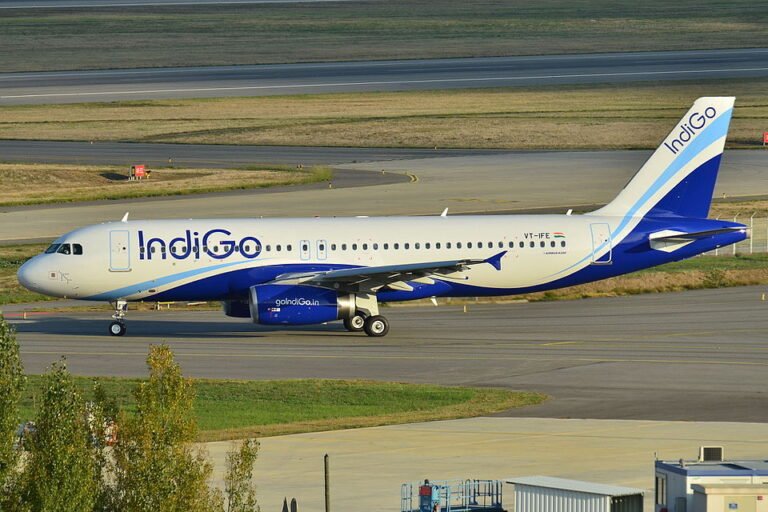
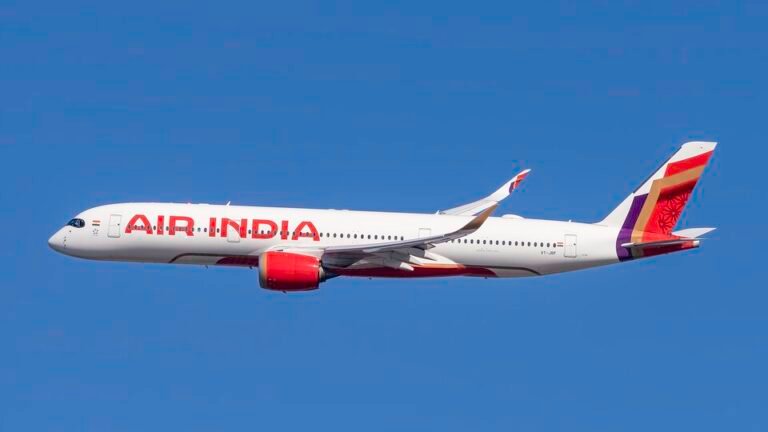
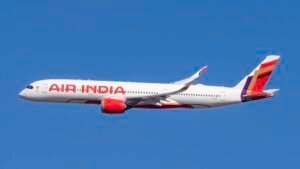
Image: Air India

London, United Kingdom: The UK Civil Aviation Authority (CAA) has formally asked Air India to provide a detailed explanation of an incident involving a Boeing 787-8 Dreamliner that departed London Heathrow Airport on February 1 despite a reported anomaly with a critical aircraft system. The regulator has warned the airline that failure to respond fully within one week could trigger regulatory action affecting its Dreamliner operations.

Air India flight AI132, operating a Boeing 787-8 Dreamliner registered VT-ANX, departed Heathrow for Bengaluru after pilots noted irregular behaviour with a fuel control switch, a vital cockpit control that regulates fuel flow to the engines. During engine start, one of the two fuel control switches did not remain positively latched in the “RUN” position on the first two attempts before stabilising on the third. The flight continued without in-air issues and landed in Bengaluru.

Upon arrival, the crew filed a defect report citing the anomaly, and the aircraft was grounded for inspection on February 2.

The UK Civil Aviation Authority has taken the step of demanding a formal response from Air India, including:

  • A comprehensive account of pre-flight maintenance actions taken before departure,
  • A root-cause analysis of the fuel control switch event,
  • A preventive action plan to reduce the risk of recurrence across Air India’s Dreamliner fleet, which comprises 33 aircraft.

In official correspondence, the CAA emphasised that regulators routinely seek detailed explanations following incidents affecting safety-critical components, particularly when an aircraft departs with a potential defect.

Air India said it conducted precautionary re-inspections of fuel control switches across its Boeing 787 fleet after the incident and reported no issues found during these checks. The airline acknowledged the Directorate General of Civil Aviation (DGCA) oversight and said it will comply with the regulator’s guidance to circulate Boeing’s recommended operating procedures for the switches to all flight crews.

India’s DGCA also issued a clarification, stating that post-flight inspections determined the fuel switches were serviceable and functioning normally. According to the regulator, the switch may move if light pressure is applied in an incorrect direction, but its design does not indicate a defect when used according to approved procedures. The DGCA advised Air India to reinforce correct switch handling among pilots.

Fuel control switches are crucial for aircraft safety. They allow pilots to start and shut down engines and are designed with locking mechanisms to prevent unintended movement. This category of component has been under heightened scrutiny following the June 2025 crash of an Air India Boeing 787-8 in Ahmedabad, where preliminary investigation reports indicated fuel control switches played a role in dual-engine power loss shortly after takeoff.

That accident, which resulted in significant loss of life, triggered industry-wide inspections and close regulatory observation of Boeing 787 systems. Though the final accident report remains pending, aviation authorities worldwide have been monitoring similar technical aspects, including fuel system controls, in current operations.

Air India faces a deadline to submit its response to the UK CAA within one week of the February 4 notice. The airline has stressed safety as its utmost priority and reiterated cooperation with international regulators and Boeing in evaluating the matter.


Leave a Comment

Subscribe to our Newsletter

Recent News

error: Unauthorized copying is not permitted