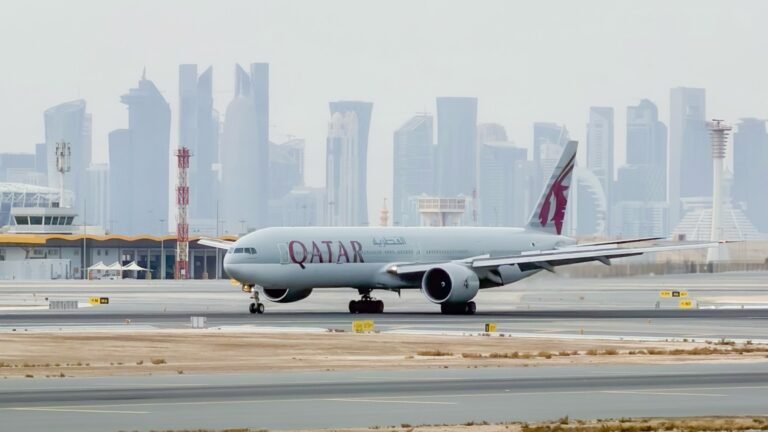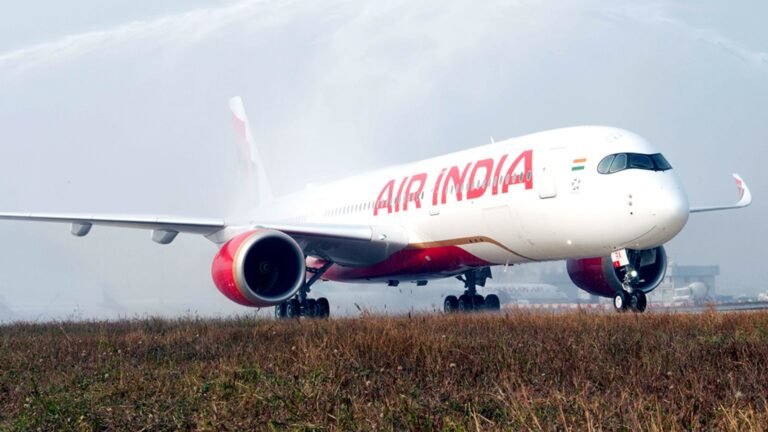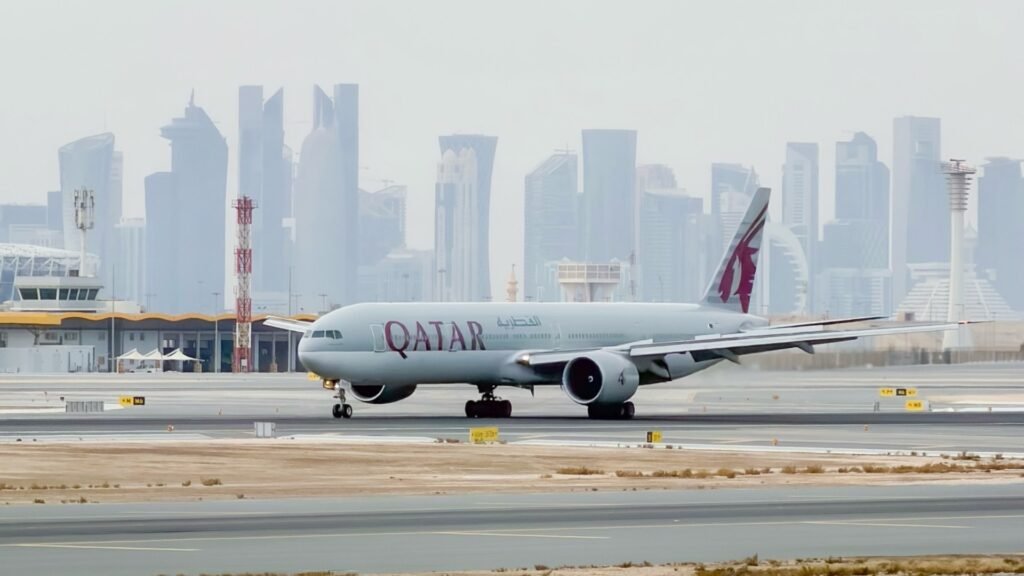
Global aviation benchmarking platform AirlineRatings.com has released its “World’s Best Airlines for 2026” report, naming Qatar Airways as the world’s leading airline, followed by Cathay Pacific and Singapore Airlines. The annual ranking evaluates full-service carriers based on safety, product quality, fleet standards, and operational consistency across more than 300 airlines worldwide.
The 2026 edition reflects a highly competitive global aviation landscape, where performance margins between top carriers remain extremely narrow. According to AirlineRatings, differences between leading airlines are minimal, with rankings determined by fine variations in service quality, safety performance, fleet age, and operational excellence.
Top 25 Full-Service Airlines for 2026
- Qatar Airways
- Cathay Pacific
- Singapore Airlines
- Emirates
- ANA (All Nippon Airways)
- Air New Zealand
- Turkish Airlines
- EVA Air
- Korean Air
- Air France
- Japan Airlines
- Hainan Airlines
- Malaysia Airlines
- Thai Airways
- Vietnam Airlines
- Air Canada
- Lufthansa
- British Airways
- Finnair
- Iberia
- TAP Air Portugal
- SAS
- Alaska Airlines
- Delta Air Lines
- American Airlines
The rankings highlight a continued dominance of Asia-Pacific and Middle Eastern carriers at the top end of global aviation, reflecting strong fleet modernization programs and consistently high onboard service standards.
Qatar Airways’ continued leadership reinforces its position as a benchmark carrier in long-haul premium travel, supported by its business class product and global connectivity. Cathay Pacific and Singapore Airlines also maintained strong positions, driven by service consistency and cabin innovation.
Meanwhile, carriers such as ANA, EVA Air, and Japan Airlines continue to strengthen Asia’s reputation for operational precision and passenger experience.
AirlineRatings.com evaluates airlines using a combination of safety and product-based metrics. These include incident history, fleet age, pilot training standards, international safety audits, turbulence management practices, and cabin innovation.
The 2026 assessment places increased emphasis on turbulence-related safety systems and participation in global safety monitoring programs such as IATA’s Turbulence Aware initiative. The organization noted that safety differences among top-ranked airlines remain marginal, with all listed carriers meeting world-leading benchmarks.
The 2026 rankings follow a year of continued recovery and expansion in global aviation, with airlines investing heavily in new aircraft, sustainability initiatives, and premium cabin upgrades. The Middle East and Asia-Pacific regions continue to set global standards in long-haul travel innovation and passenger service quality.
AirlineRatings.com has unveiled its 2026 global airline performance awards, covering full-service, hybrid, low-cost, ultra-low-cost, regional, cargo, and airport categories. The rankings highlight continued dominance by established global carriers while also recognising fast-rising airlines across Asia and Europe.
Commenting on the result, AirlineRatings.com CEO Sharon Petersen said, “It was a tight competition at the top, but Qatar’s value proposition, combined with a superior economy product and award-winning business class, secured that top position once again.”
Petersen also highlighted the rise of new competitors in the premium aviation space, particularly Taiwan-based STARLUX Airlines, which continues to expand its international footprint.
“One of the standout movers this year is Taipei-based STARLUX Airlines. With strong cabin service, high-quality catering, and modern interiors, it is rapidly establishing itself as a premium competitor, particularly as it prepares to expand into Europe later this year.”
She further noted structural shifts in airline business models, with carriers such as JetBlue and LOT Polish Airlines transitioning into the full-service category.
“New York-based JetBlue and Poland’s LOT have moved from the hybrid to the full service category, reflecting a broader range of complimentary inclusions. JetBlue’s Mint Suite rivals larger carriers, offering one of the widest business class seats across the Atlantic.”
World’s Best Hybrid Airlines 2026: Lufthansa Leads the Category
The hybrid airline category, which blends low-cost efficiency with partial full-service offerings, has been led in 2026 by Lufthansa, followed by major global carriers including WestJet and Virgin Australia.
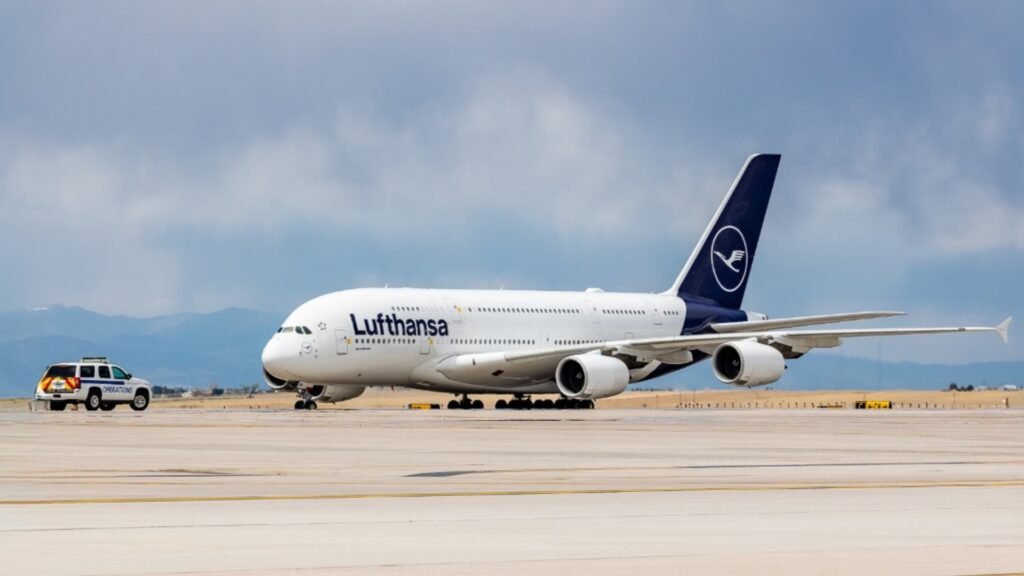
Top Hybrid Airlines 2026
- Lufthansa
- WestJet
- Virgin Australia
- Delta Air Lines
- United Airlines
- American Airlines
- SWISS
- Finnair
- British Airways
- TAP Air Portugal
- Iberia
- Air Canada
- Alaska Airlines
- Avianca
- Air Europa
- SAS
- Air Transat
- Austrian Airlines
- Southwest Airlines
- ITA Airways
Lufthansa’s leadership in this category coincides with its 100th anniversary year, marking a significant milestone for the German flag carrier.
Lufthansa epitomises what people look for in the world’s best hybrid airline. It offers a low-cost model on short-haul routes across Europe with buy-on-board catering, a variable seat pitch of 29 to 30 inches, complimentary streaming of in-flight entertainment via its FlyNet Wi-Fi portal, alongside bottled water and the airline’s iconic branded chocolate.
The airline’s medium and long-haul aircraft deliver a comfortable, full-service product in economy and a luxury experience in business class, especially when travelling on the award-winning Allegris seat. Combined with efficient and easy connections through major hubs such as Munich and Frankfurt, Lufthansa is a clear leader in the hybrid category.
World’s Best Low-Cost Carriers 2026: HK Express Takes Top Spot
In the low-cost segment, HK Express has been ranked the world’s best low-cost airline for 2026.
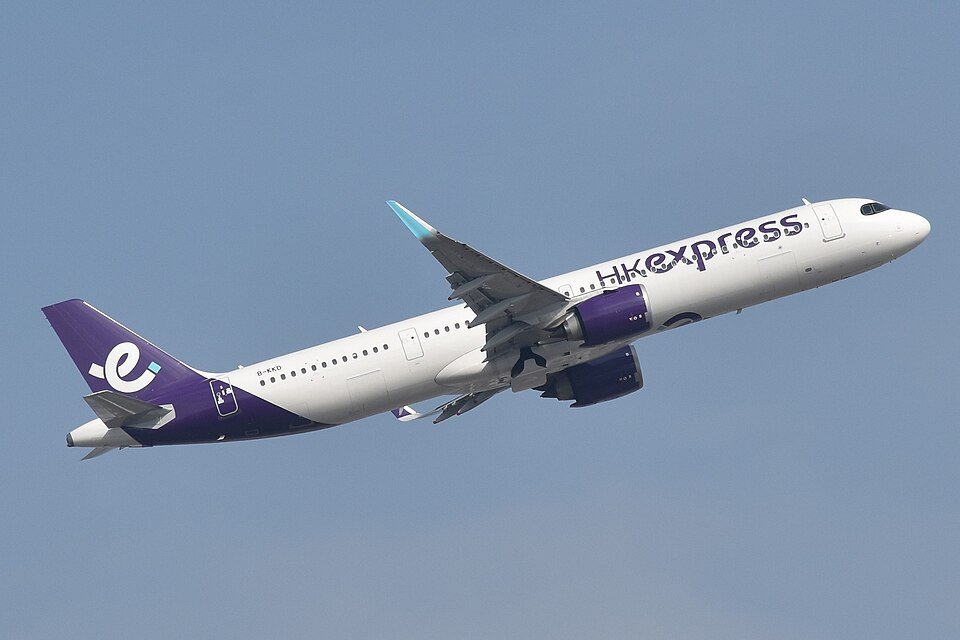
Top Low-Cost Airlines 2026
- HK Express
- Jetstar
- AirAsia Group
- AirBaltic
- Scoot
- FlyNAS
- Breeze
- easyJet
- Wizz Air
- Vietjet Air
- Ryanair
- Jet2
- TUI Group
- Cebu Pacific
- GOL
- Norwegian
- Volaris
- SKY Airline
- Vueling
- Spring Airlines China
HK Express wins for its consistently excellent cabin crew and undoubtedly the world’s best low-cost carrier onboard menu.
The menu offers a true taste of traditional Hong Kong street food alongside a selection of international favourites. The culinary experience is as much a part of the journey as the destination itself.
Jetstar was recognised for entertainment and onboard power availability, while AirAsia stood out for its Fly Thru connectivity system. AirBaltic was noted for offering complimentary WiFi across its fleet.
Ultra-Low-Cost Carrier Rankings: Vietjet Air Leads
In the ultra-low-cost category, Vietjet Air claimed the top position, followed by Wizz Air Group.
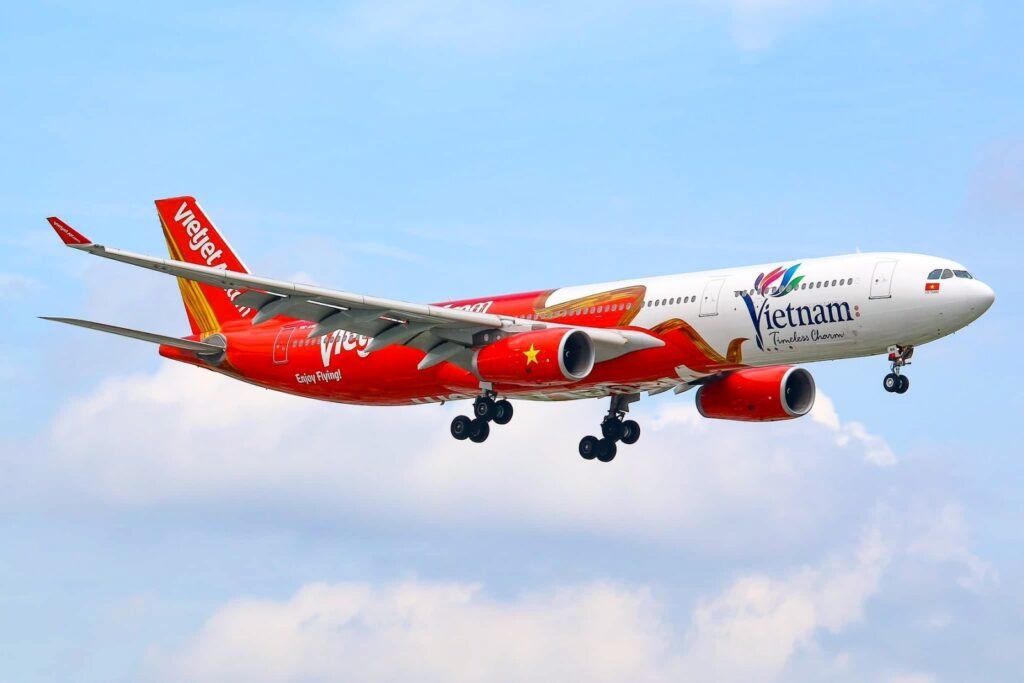
Ultra-Low-Cost Airlines 2026
- Vietjet Air
- Wizz Air Group
Vietjet was recognised for aggressive pricing strategies and rapid international expansion, while Wizz Air was noted for its strong European network and flexible pricing programs such as Wizz Flex and Wizz MultiPass.
World’s Best Regional Airline: Porter Airlines
Canada-based Porter Airlines was named the World’s Best Regional Airline, recognised for its premium regional experience.
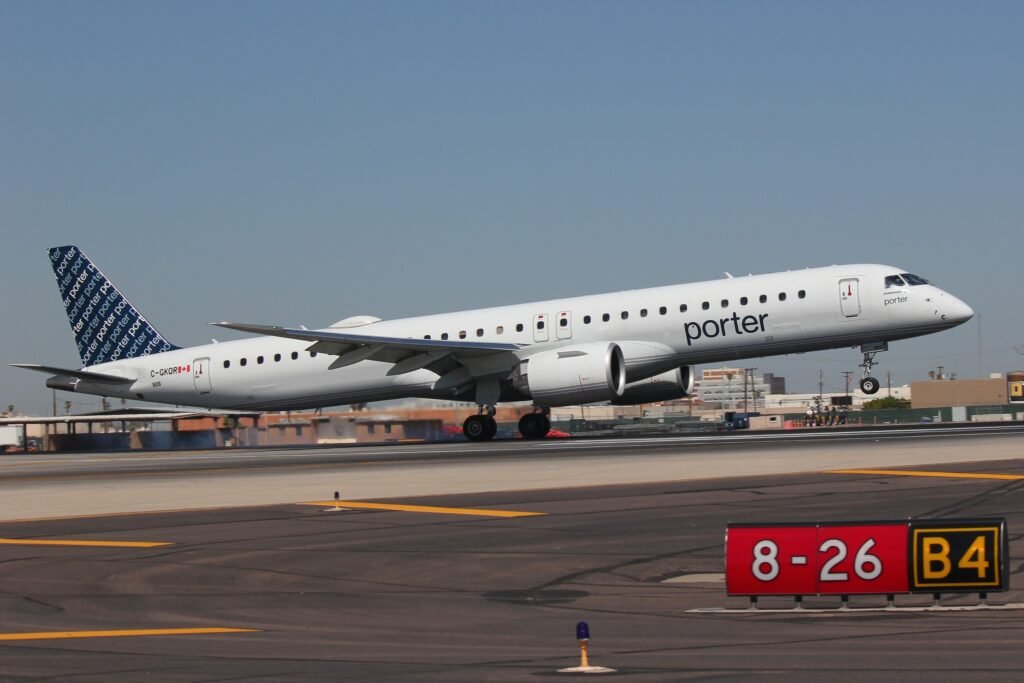
The airline stands out for:
- Complimentary beer and wine served in glassware
- Free high-speed WiFi on Embraer E195-E2 aircraft
- No middle-seat configuration
- Expanding North American network
These features have helped Porter redefine expectations in short-haul regional travel.
Jetstar Named Best Low-Cost Long-Haul Airline
Jetstar Airways was awarded the World’s Best Low-Cost Long-Haul Airline, supported by its Boeing 787 Dreamliner operations across Asia-Pacific.
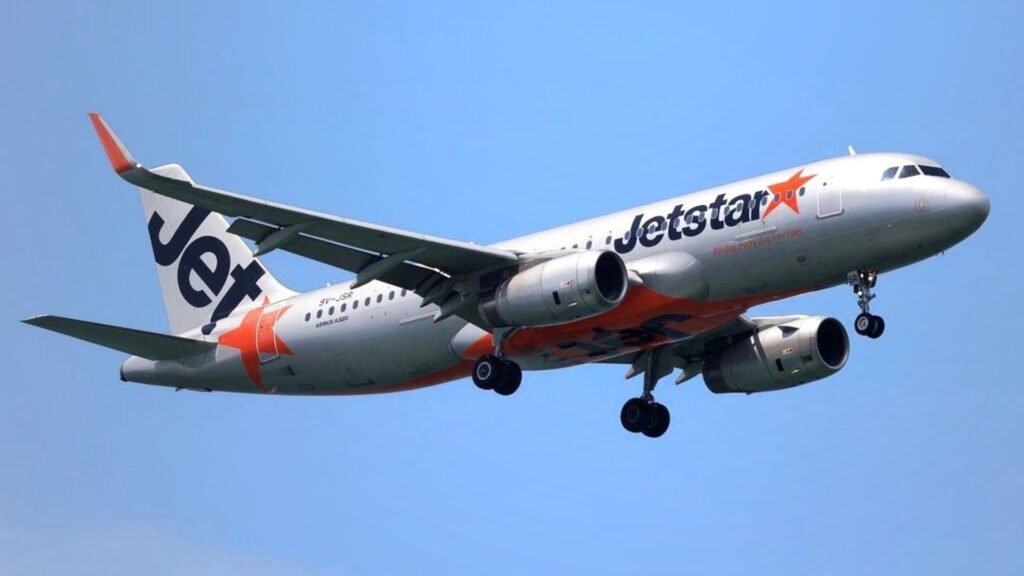
The airline offers optional services such as meals, baggage, and seat selection, alongside inflight entertainment and seatback power, with a standard 30-inch seat pitch improving passenger comfort.
Cathay Cargo Wins Best Branded Cargo Operations
Cathay Cargo received the award for World’s Best Branded Cargo Operations, recognising its strong global logistics network and specialised freight solutions.
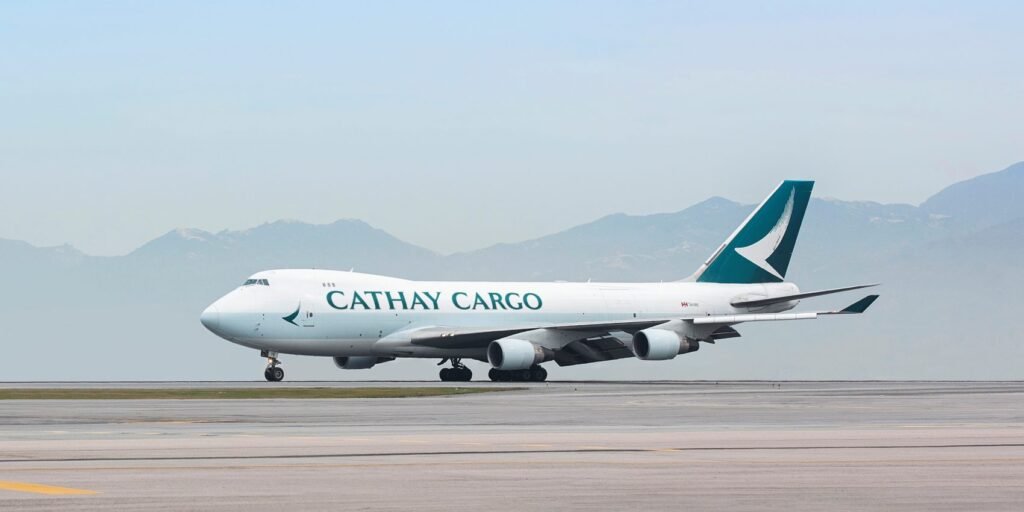
The airline has built expertise in transporting:
- Pharmaceuticals
- Perishable goods
- High-value shipments
Its Hong Kong hub continues to serve as a major global cargo gateway.