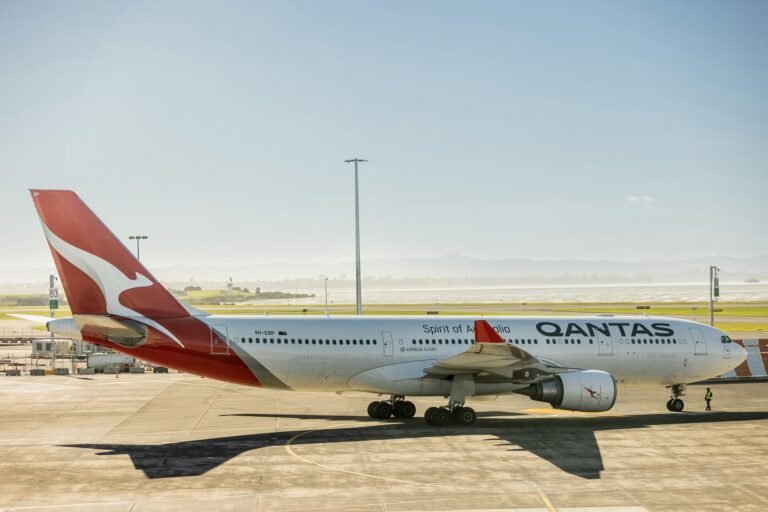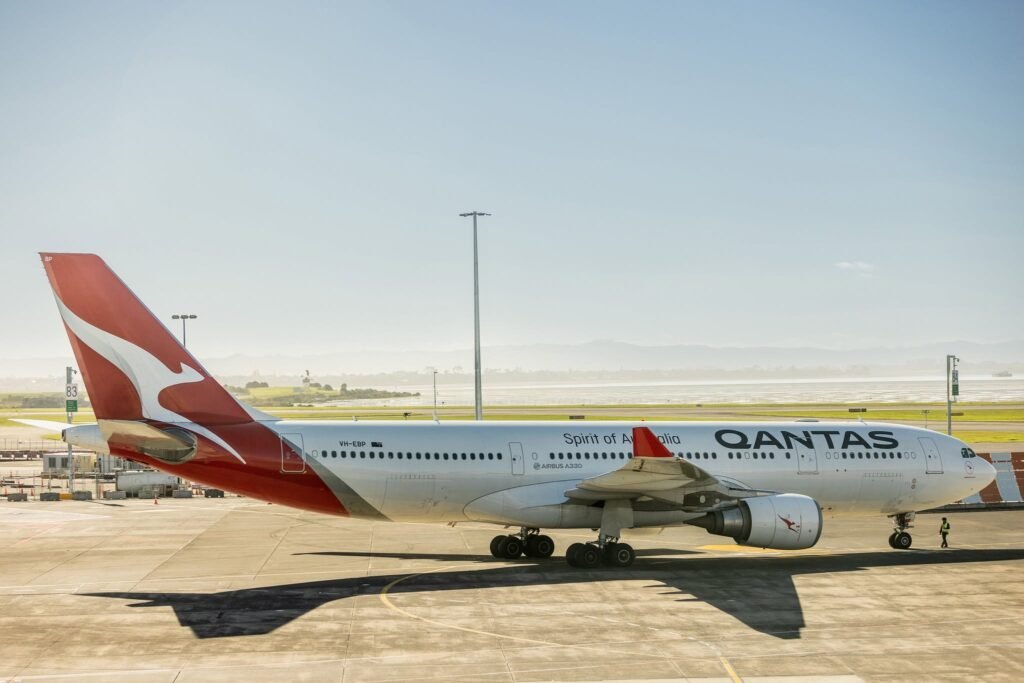
Sydney, Australia: Hundreds of Qantas ground workers began a 24-hour strike on Wednesday, 28 October 2026, across five major Australian airports, escalating a long-running dispute over pay, job security, working hours and the structure of the airline’s ground-services workforce. The 24-hour action was scheduled to conclude on 29 October 2026 with end times varying by location: 4:59 am in Sydney and Adelaide, 9:59 am in Melbourne, and 6:59 pm in Brisbane and Perth.
Members of the Transport Workers’ Union (TWU) are taking protected industrial action at Sydney, Melbourne, Adelaide, Brisbane and Perth airports. The workers are employed across Qantas Ground Services (QGS), Australian Air Express (AAE) and Qantas Airways Limited (QAL), with their roles primarily covering Qantas Freight operations, including Australia Post shipments, and some QantasLink services in Sydney.
The TWU announced the latest 24-hour action on 23 October 2026 after negotiations with Qantas failed to resolve the dispute. The union said the workers are seeking “fair pay in line with industry standards” after what it describes as a decade of wage suppression, along with more full-time jobs and hours and the return of workers to a single Qantas structure.
TWU National Secretary Michael Kaine said the workers were being forced to strike because of what the union described as continuing problems created by the fragmentation of Qantas’ ground workforce.
“Qantas has tried its best to turn beloved careers into scraps of poorly-paid, unsafe work but hundreds of ground workers today are striking for better,” Kaine said in the union’s 28 October statement.
“These workers used to be proud to say they work for the Flying Kangaroo, just as the public used to be proud of this airline.”
Kaine added that the workers would not regain that sense of pride “until Qantas properly invests in its workforce, with pay in line with industry standards, more full-time jobs, and an end to workers being pitted against each other in competition.”
He also called on Qantas management to move away from what he described as the corporate approach inherited from former CEO Alan Joyce.
“It’s time for the new Qantas management to shed the spiteful corporate attitude it inherited from Alan Joyce, and actually value workers driving the airline’s billions in profits,” Kaine said.
The TWU says the ground workforce was divided under the former Qantas leadership across QAL, QGS and AAE, which it argues weakened pay and employment conditions and contributed to safety concerns. The union also points to the 2025 death of a Qantas Freight worker, while noting that a SafeWork investigation remains ongoing. These are the union’s claims and have not been established as findings of the investigation.
Qantas, meanwhile, has said around 600 employees who are TWU members are eligible to take industrial action. The airline says it has engaged in bargaining and has put a proposed QGS enterprise agreement directly to employees. The proposal includes back pay from September 2025, pay increases of up to 26 per cent over the life of the agreement, more full-time opportunities and increased guaranteed hours for part-time employees.
The impact is expected to be concentrated on freight rather than Qantas’ mainline passenger network. Qantas has said the affected workers do not service Qantas Domestic or Qantas International flights, while only a smaller group supports QantasLink operations in Sydney. As of 9:00am on 28 October, Qantas said there had been no disruption to its services and no additional queues or delays reported.
Qantas Freight has also said its terminals will remain operational and that contingency measures are in place. Critical and time-sensitive freight is being prioritised, although customers have been advised to allow additional processing time during the affected periods.
The latest action follows a previous 24-hour strike on 24 September 2026. That stoppage was announced by the TWU on 18 September after negotiations remained unresolved and took place at Sydney, Brisbane, Adelaide and Perth airports. The September action was backed by an earlier industrial-action ballot in which 97 percent of 350 voting workers supported stoppages of between one and 24 hours.
The September strike did go ahead. At Sydney Airport, the ground-worker stoppage occurred alongside separate industrial action by about 400 airport security workers. The TWU reported freight disruption at Brisbane, while Qantas said its passenger operations were largely unaffected and that contingency arrangements had limited disruption.
With negotiations still unresolved, the 28 October action represents a further escalation by Qantas ground workers seeking higher pay, more secure employment and changes to the structure of their workforce.