News
Civil Aviation
Pilot Training
Flight School Analysis
Aviation Jobs
Training
Services
About Us
Contact Us

Pilot Shortage Sparks Hiring War As IndiGo, Air India Offer Bonuses Up To ₹50 Lakh

Picture of Aviation Today News Desk

Aviation Today News Desk

New Delhi, India: India’s civil aviation sector is facing an escalating pilot shortage that has forced major carriers into an unprecedented competition for captains and senior flight crew, industry sources and official communications show. The scramble for personnel comes amid tighter safety rules on flight duty times and a recent operational disruption at the country’s largest airline. The roster crisis first became widely visible earlier in December, when IndiGo operated by InterGlobe Aviation Ltd cancelled thousands of flights due to crew unavailability following the implementation of stricter Flight Duty Time Limitations (FDTL) issued by the Directorate General of Civil Aviation (DGCA). These rules, aimed at improving pilot rest and reducing fatigue, require longer rest periods and limit the number of night landings, increasing the number of pilots needed for scheduled services. According to TOI, both IndiGo and the Air India group have entered a fierce competition to recruit experienced captains, with some offers reportedly including joining bonuses of up to ₹50 lakh to attract talent from rivals or international carriers. Such incentives rarely seen at this scale in Indian aviation reflect the acute need for senior pilots capable of leading flight operations across domestic and international routes. Earlier IndiGo has informed the DGCA that it plans to add about 100 pilots in January, while Air India has launched new hiring drives. However, both carriers are dealing with a rise in captain departures, some moving overseas sharpening the recruitment battle as airlines work to meet required crew levels. A senior airline executive quoted by TOI described the situation as exceptionally intense, noting that carriers are actively poaching captains from each other and bracing for continued shortages as FDTL norms reduce the pool of available crew. In response to the operational stress and pilot attrition, IndiGo has announced a revision of pilot compensation, including increases in domestic layover, deadhead, night flying, transit, and newly introduced tail-swap allowances, effective January 1, 2026. Communication from the airline’s flight operations leadership details the enhanced pay structure for both captains and first officers. India is set to see an intense contest for captains between the Air India group and IndiGo. While Air India does not currently face a pilot shortage across most of its fleet, barring the Boeing 787, it must recruit for future growth. IndiGo, meanwhile, will need to strengthen pilot–management relations to retain and attract talent. Akasa does not require additional pilots as it has a surplus. Unless Air India and IndiGo offer improved working conditions, they risk continued pilot migration to the Middle East and destinations such as Vietnam,” said Captain Shakti Lumba, former vice president of Air India and IndiGo. As India’s air passenger traffic continues to grow with the domestic market among the world’s busiest airlines are under pressure to not only restore operational reliability but also to build a resilient workforce.
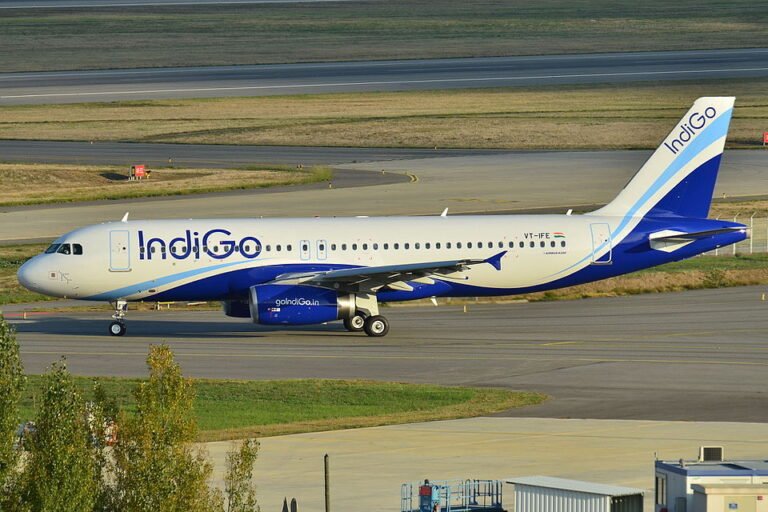
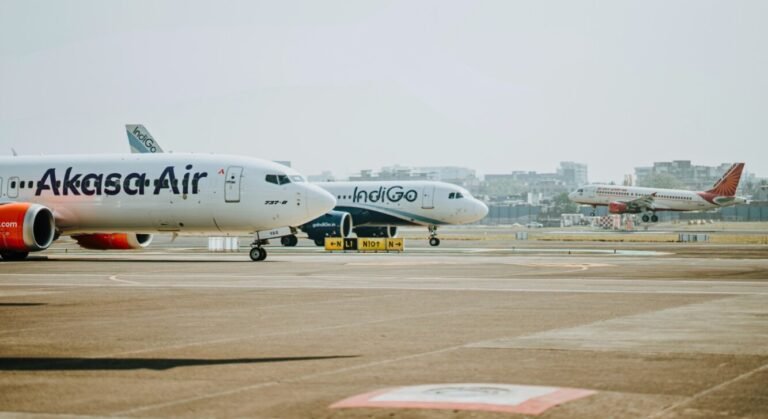
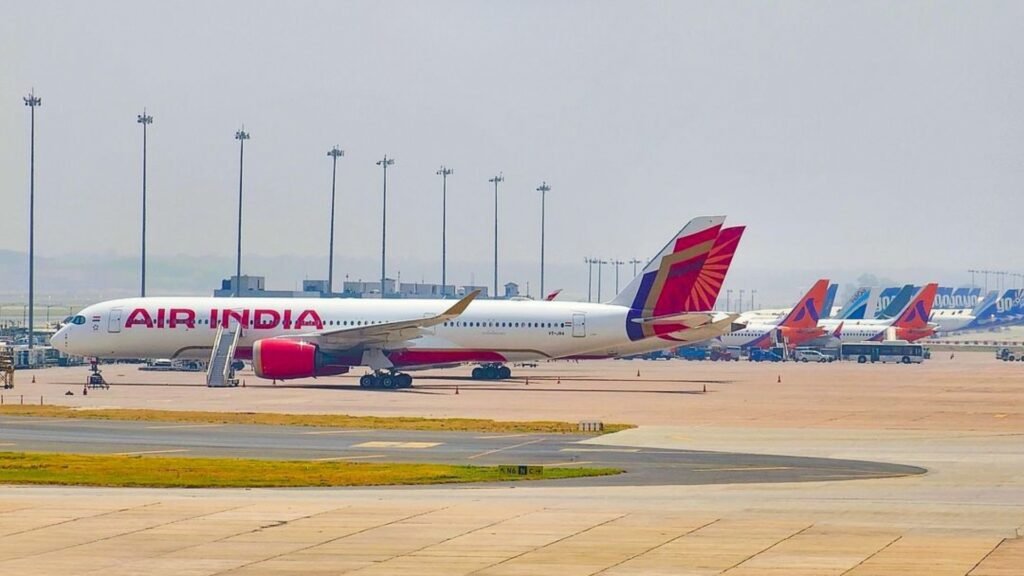
Image: Delhi Airport

New Delhi, India: India’s civil aviation sector is facing an escalating pilot shortage that has forced major carriers into an unprecedented competition for captains and senior flight crew, industry sources and official communications show. The scramble for personnel comes amid tighter safety rules on flight duty times and a recent operational disruption at the country’s largest airline. 

The roster crisis first became widely visible earlier in December, when IndiGo operated by InterGlobe Aviation Ltd cancelled thousands of flights due to crew unavailability following the implementation of stricter Flight Duty Time Limitations (FDTL) issued by the Directorate General of Civil Aviation (DGCA). These rules, aimed at improving pilot rest and reducing fatigue, require longer rest periods and limit the number of night landings, increasing the number of pilots needed for scheduled services. 

According to TOI, both IndiGo and the Air India group have entered a fierce competition to recruit experienced captains, with some offers reportedly including joining bonuses of up to ₹50 lakh to attract talent from rivals or international carriers. Such incentives rarely seen at this scale in Indian aviation reflect the acute need for senior pilots capable of leading flight operations across domestic and international routes. 

Earlier IndiGo has informed the DGCA that it plans to add about 100 pilots in January, while Air India has launched new hiring drives. However, both carriers are dealing with a rise in captain departures, some moving overseas sharpening the recruitment battle as airlines work to meet required crew levels.

A senior airline executive quoted by TOI described the situation as exceptionally intense, noting that carriers are actively poaching captains from each other and bracing for continued shortages as FDTL norms reduce the pool of available crew. 

In response to the operational stress and pilot attrition, IndiGo has announced a revision of pilot compensation, including increases in domestic layover, deadhead, night flying, transit, and newly introduced tail-swap allowances, effective January 1, 2026. Communication from the airline’s flight operations leadership details the enhanced pay structure for both captains and first officers. 

India is set to see an intense contest for captains between the Air India group and IndiGo. While Air India does not currently face a pilot shortage across most of its fleet, barring the Boeing 787, it must recruit for future growth. IndiGo, meanwhile, will need to strengthen pilot–management relations to retain and attract talent. 

Akasa does not require additional pilots as it has a surplus. Unless Air India and IndiGo offer improved working conditions, they risk continued pilot migration to the Middle East and destinations such as Vietnam,” said Captain Shakti Lumba, former vice president of Air India and IndiGo. 

As India’s air passenger traffic continues to grow with the domestic market among the world’s busiest airlines are under pressure to not only restore operational reliability but also to build a resilient workforce.


Leave a Comment

Subscribe to our Newsletter

Recent News