News
Civil Aviation
Pilot Training
Flight School Analysis
Aviation Jobs
Training
Services
About Us
Contact Us

Lufthansa Cancels 800 Flights as Pilot, Cabin Crew Strike Hits 100,000 Passengers

Picture of Aviation Today News Desk

Aviation Today News Desk

Frankfurt, Germany: Germany’s flagship carrier Lufthansa was forced to cancel nearly 800 flights on Thursday after pilots and cabin crew staged coordinated industrial action, disrupting travel for around 100,000 passengers . The 24-hour strike began shortly after midnight on Thursday, February 12, and affected most Lufthansa-operated services, particularly at its main hubs in Frankfurt and Munich, where departure boards showed widespread cancellations throughout the day. According to multiple industry reports, Lufthansa removed approximately 800 flights from its schedule, representing more than half of its planned daily operations. The airline said the walkout caused significant disruption to both short-haul and long-haul services, including intercontinental departures. Lufthansa confirmed that about 100,000 passengers were impacted by the cancellations. The airline implemented large-scale rebooking measures, transferring travellers to partner airlines within the Lufthansa Group including Swiss, Austrian Airlines and Brussels Airlines as well as offering rail alternatives within Germany in cooperation with Deutsche Bahn. Passengers were advised not to travel to the airport unless they had received confirmation that their flight was operating. Lufthansa also stated that customers whose flights were cancelled were eligible for full refunds or rebooking at no extra cost. Under European passenger rights rules, affected travellers may also be entitled to compensation ranging from €250 to €600, as airline staff strikes are generally not classified as extraordinary circumstances. The strike was triggered by parallel disputes involving two major unions: Vereinigung Cockpit (VC), representing pilots, over disagreements related to pension schemes and retirement benefits. UFO (Unabhängige Flugbegleiter Organisation), representing cabin crew, over job security, working conditions and collective agreements, including concerns linked to Lufthansa’s regional subsidiary operations. The strike was driven by unresolved labour disputes between staff unions and Lufthansa management, the main issues were pension benefits, job security and stalled contract negotiations. Union leaders said negotiations with Lufthansa management had stalled after months of talks, prompting the one-day walkout. Lufthansa management described the action as “disproportionate and unnecessary”, warning that the disruption would affect not only passengers but also Germany’s wider aviation network during a high-demand travel period. As of Friday, February 13, Lufthansa spokesperson confirmed that the strike had ended as scheduled, and that flight operations were largely returning to normal. No further industrial action has been announced at this stage. The airline said most services were operating according to schedule on Friday, although minor residual delays and isolated cancellations remained possible due to aircraft and crew repositioning. The disruption coincided with a busy week in Germany, with international travel demand elevated due to major events such as the Munich Security Conference and the opening of the Berlin International Film Festival, amplifying the impact on business and diplomatic travel. Lufthansa operates more than 700 aircraft and carries over 100 million passengers annually, making it one of Europe’s largest airline groups. The strike represents one of the most significant single-day disruptions to its operations in recent years.
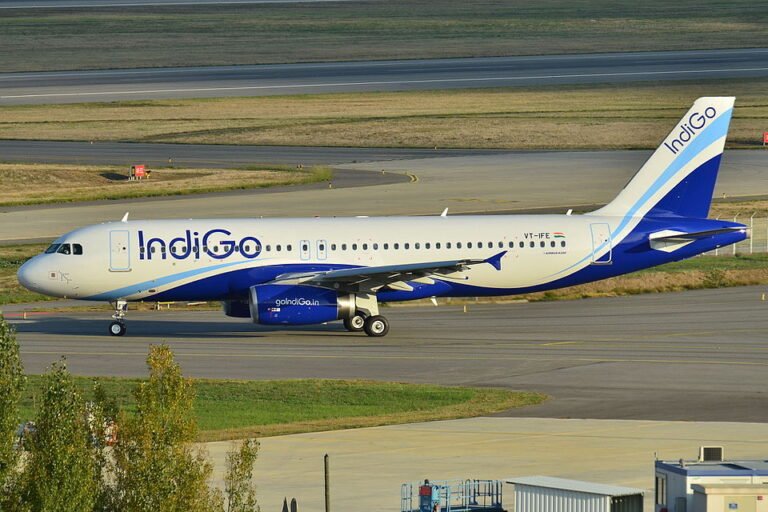
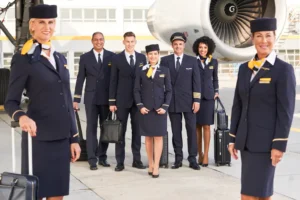
Image: Lufthansa

Frankfurt, Germany: Germany’s flagship carrier Lufthansa was forced to cancel nearly 800 flights on Thursday after pilots and cabin crew staged coordinated industrial action, disrupting travel for around 100,000 passengers .

The 24-hour strike began shortly after midnight on Thursday, February 12, and affected most Lufthansa-operated services, particularly at its main hubs in Frankfurt and Munich, where departure boards showed widespread cancellations throughout the day.

According to multiple industry reports, Lufthansa removed approximately 800 flights from its schedule, representing more than half of its planned daily operations. The airline said the walkout caused significant disruption to both short-haul and long-haul services, including intercontinental departures.

Lufthansa confirmed that about 100,000 passengers were impacted by the cancellations. The airline implemented large-scale rebooking measures, transferring travellers to partner airlines within the Lufthansa Group including Swiss, Austrian Airlines and Brussels Airlines as well as offering rail alternatives within Germany in cooperation with Deutsche Bahn.

Passengers were advised not to travel to the airport unless they had received confirmation that their flight was operating. Lufthansa also stated that customers whose flights were cancelled were eligible for full refunds or rebooking at no extra cost.

Under European passenger rights rules, affected travellers may also be entitled to compensation ranging from €250 to €600, as airline staff strikes are generally not classified as extraordinary circumstances.

The strike was triggered by parallel disputes involving two major unions:

  • Vereinigung Cockpit (VC), representing pilots, over disagreements related to pension schemes and retirement benefits.
  • UFO (Unabhängige Flugbegleiter Organisation), representing cabin crew, over job security, working conditions and collective agreements, including concerns linked to Lufthansa’s regional subsidiary operations.

The strike was driven by unresolved labour disputes between staff unions and Lufthansa management, the main issues were pension benefits, job security and stalled contract negotiations. 

Union leaders said negotiations with Lufthansa management had stalled after months of talks, prompting the one-day walkout.

Lufthansa management described the action as “disproportionate and unnecessary”, warning that the disruption would affect not only passengers but also Germany’s wider aviation network during a high-demand travel period.

As of Friday, February 13, Lufthansa spokesperson confirmed that the strike had ended as scheduled, and that flight operations were largely returning to normal. No further industrial action has been announced at this stage.

The airline said most services were operating according to schedule on Friday, although minor residual delays and isolated cancellations remained possible due to aircraft and crew repositioning.

The disruption coincided with a busy week in Germany, with international travel demand elevated due to major events such as the Munich Security Conference and the opening of the Berlin International Film Festival, amplifying the impact on business and diplomatic travel.

Lufthansa operates more than 700 aircraft and carries over 100 million passengers annually, making it one of Europe’s largest airline groups. The strike represents one of the most significant single-day disruptions to its operations in recent years.

Leave a Comment

Subscribe to our Newsletter

Recent News

error: Unauthorized copying is not permitted