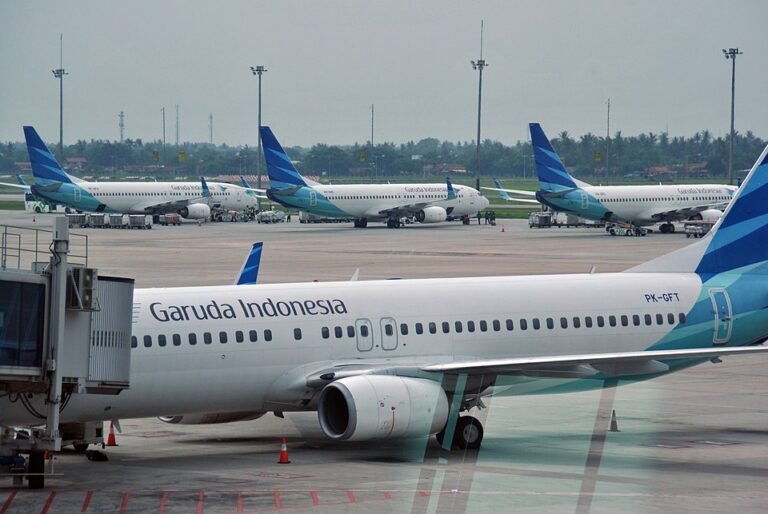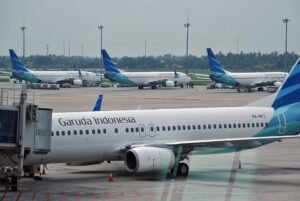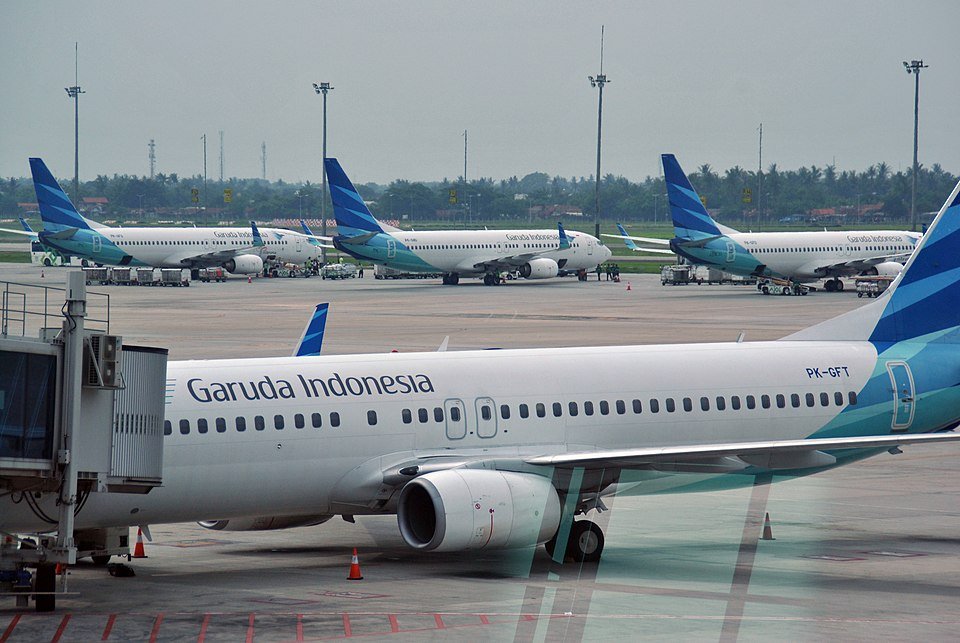
Jakarta, Indonesia: The Indonesian government has approved a significant increase in airline fuel surcharges, raising the cap to 38% as global oil prices continue to surge, in a move aimed at supporting airlines while maintaining affordability for passengers.
Transportation Minister Dudy Purwagandhi confirmed that the decision followed consultations with domestic carriers, emphasizing that the policy seeks to balance rising operational costs with consumer purchasing power. “This decision was not taken unilaterally, but through coordination and input, particularly from the airlines,” he said during a press conference in Jakarta.
The revised surcharge replaces the previous limits set under a 2023 regulation, which capped surcharges at 10% for jet aircraft and 25% for propeller aircraft. The new policy standardizes the cap at 38% across all aircraft types.
The move comes amid escalating global energy prices driven by geopolitical tensions, which have significantly increased aviation fuel costs. Indonesia’s Energy and Mineral Resources Minister Bahlil Lahadalia noted that domestic jet fuel pricing follows international market mechanisms, with state energy firm Pertamina adjusting rates in line with global trends.
Recent data highlights the scale of cost pressures facing airlines. According to the Indonesian National Air Carriers Association (INACA), jet fuel prices at Soekarno-Hatta International Airport rose sharply to Rp 23,551.08 per liter in April, up from Rp 13,656.51 per liter in March, marking a 72.45% increase in just one month. Compared to 2019 averages, prices have surged by nearly 295%.
For international operations, fuel prices have also climbed steeply, rising by over 80% to approximately $1.34 per liter, further straining airline operating costs.
Despite the increase, the government has attempted to limit the impact on passengers by ensuring that airfare hikes remain controlled. The surcharge adjustment is expected to help airlines absorb part of the cost burden while avoiding sharper increases in ticket prices, supporting the continued recovery of Indonesia’s aviation sector.
Authorities also stressed that Indonesia’s aviation fuel prices remain relatively competitive compared to neighboring countries, even after recent hikes.
The policy reflects a broader effort by regulators to stabilize the aviation industry amid volatile fuel markets, while safeguarding demand and maintaining accessibility for domestic travelers.