News
Civil Aviation
Pilot Training
Flight School Analysis
Aviation Jobs
Training
Services
About Us
Contact Us

IndiGo Raises Pilot Allowances As Airline Addresses Crew And Rostering Pressures

Picture of Aviation Today News Desk

Aviation Today News Desk

New Delhi, India: India’s largest airline IndiGo has announced a significant revision of pilot allowances, effective January 1, 2026, in an effort to address morale issues, strengthen retention and ensure smoother flight operations following widespread cancellations earlier this month. The allowance revisions were communicated in an internal email sent to IndiGo’s pilots by Ashim Mittra, Senior Vice President for Flight Operations, outlining the updated pay and allowance structure. It increases key components of pilot compensation across a range of duty types, including domestic layovers, deadhead travel, night flying, transit stops and tail‑swap operations. Under the revised structure: Domestic layover allowances for stays between 10:01 and 24 hours have been raised by about 50% captains will receive ₹3,000 (up from ₹2,000) and first officers ₹1,500 (up from ₹1,000). Deadhead travel allowances paid when pilots reposition as passengers have increased to ₹4,000 for captains and ₹2,000 for first officers. Night flying compensation has been standardised to a fixed payment of ₹2,000 per hour for captains and ₹1,000 for first officers. Tail‑swap allowance, a new category for duties involving a change of aircraft mid‑duty, has been introduced at ₹1,500 for captains and ₹750 for first officers. Transit allowances for extended ground halts beyond 90 minutes have also been adjusted upwards. The revisions come after a turbulent December, during which IndiGo cancelled thousands of flights, leaving hundreds of thousands of passengers stranded amid challenges in crew rostering under stricter Flight Duty Time Limitations (FDTL) norms. According to industry reports, the airline’s failure to sufficiently staff pilots in anticipation of the new regulations led to widespread operational disruptions. In response, the Directorate General of Civil Aviation (DGCA) ordered a reduction in IndiGo’s winter schedule and has been engaged in ongoing regulatory oversight. IndiGo, which employs roughly 5,000 pilots and controls around 65% of India’s domestic market, has faced criticism from some pilot groups and aviation analysts for fatigue‑linked rostering pressures and competitive hiring practices by foreign carriers. While the airline has not publicly commented on the revisions, industry experts say the allowance uplift represents a strategic move to stabilise operations ahead of the peak travel season and improve pilot retention amid intensified competition. Regulatory sources indicated that the airline’s leadership has held dialogue with pilot representatives at several operational bases in recent weeks.
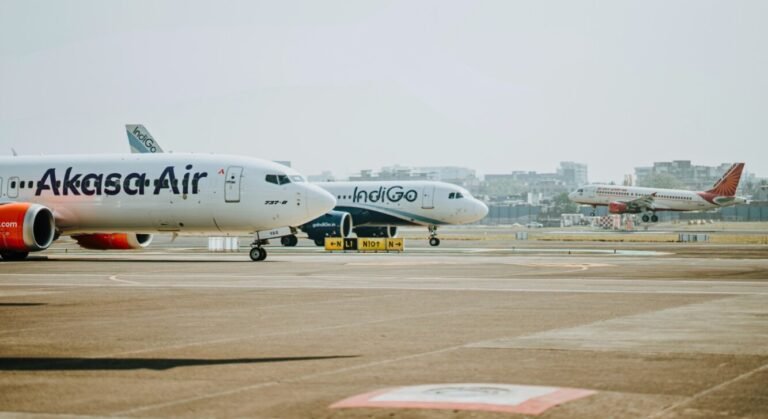
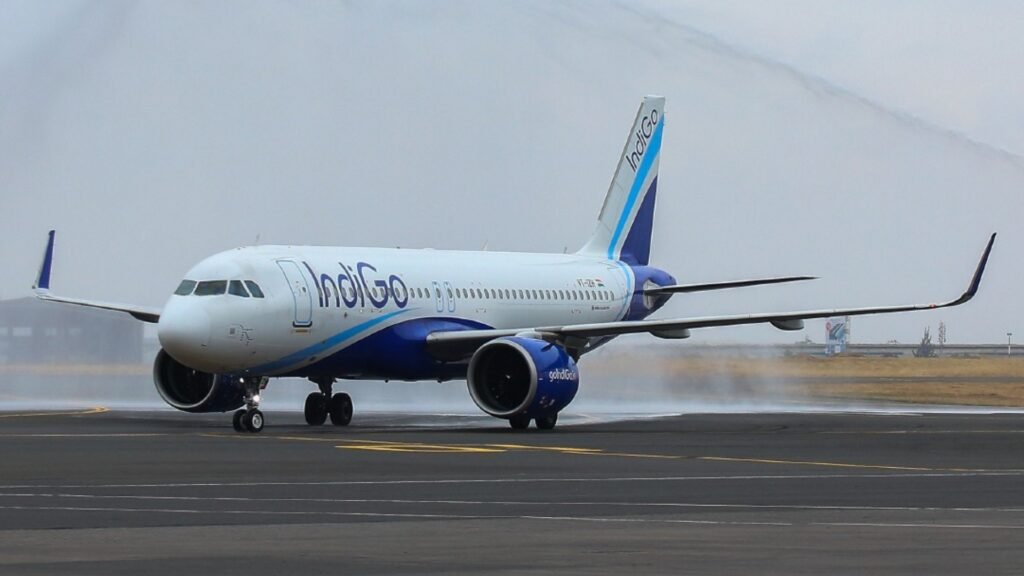
Image: IndiGo

New Delhi, India: India’s largest airline IndiGo has announced a significant revision of pilot allowances, effective January 1, 2026, in an effort to address morale issues, strengthen retention and ensure smoother flight operations following widespread cancellations earlier this month. 

The allowance revisions were communicated in an internal email sent to IndiGo’s pilots by Ashim Mittra, Senior Vice President for Flight Operations, outlining the updated pay and allowance structure. It increases key components of pilot compensation across a range of duty types, including domestic layovers, deadhead travel, night flying, transit stops and tail‑swap operations. 

Under the revised structure:

  • Domestic layover allowances for stays between 10:01 and 24 hours have been raised by about 50% captains will receive ₹3,000 (up from ₹2,000) and first officers ₹1,500 (up from ₹1,000).
  • Deadhead travel allowances paid when pilots reposition as passengers have increased to ₹4,000 for captains and ₹2,000 for first officers.
  • Night flying compensation has been standardised to a fixed payment of ₹2,000 per hour for captains and ₹1,000 for first officers.
  • Tail‑swap allowance, a new category for duties involving a change of aircraft mid‑duty, has been introduced at ₹1,500 for captains and ₹750 for first officers.
  • Transit allowances for extended ground halts beyond 90 minutes have also been adjusted upwards.

The revisions come after a turbulent December, during which IndiGo cancelled thousands of flights, leaving hundreds of thousands of passengers stranded amid challenges in crew rostering under stricter Flight Duty Time Limitations (FDTL) norms. 

According to industry reports, the airline’s failure to sufficiently staff pilots in anticipation of the new regulations led to widespread operational disruptions. In response, the Directorate General of Civil Aviation (DGCA) ordered a reduction in IndiGo’s winter schedule and has been engaged in ongoing regulatory oversight. 

IndiGo, which employs roughly 5,000 pilots and controls around 65% of India’s domestic market, has faced criticism from some pilot groups and aviation analysts for fatigue‑linked rostering pressures and competitive hiring practices by foreign carriers. 

While the airline has not publicly commented on the revisions, industry experts say the allowance uplift represents a strategic move to stabilise operations ahead of the peak travel season and improve pilot retention amid intensified competition. Regulatory sources indicated that the airline’s leadership has held dialogue with pilot representatives at several operational bases in recent weeks.


Leave a Comment

Subscribe to our Newsletter

Recent News