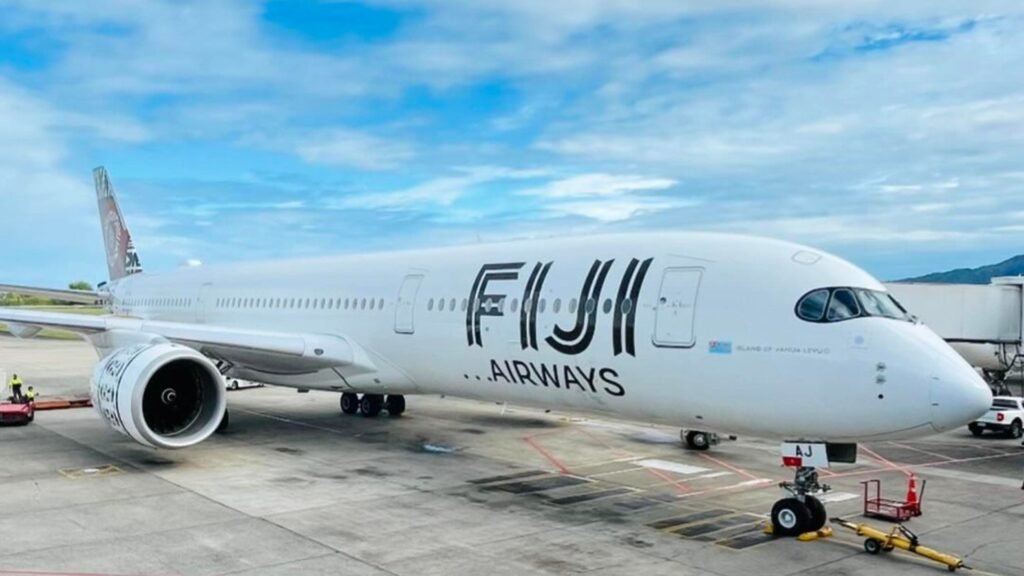
Nadi, Fiji: Fiji Airways has issued a public apology after passengers on an Auckland-bound flight experienced a delay of more than 20 hours, on 20 December, triggering widespread criticism over communication gaps and passenger care during the disruption.
The affected flight, scheduled to depart Nadi for Auckland, was delayed due to a combination of operational and safety-related constraints, according to the airline. Fiji Airways confirmed that the aircraft eventually departed after engineers completed the required checks and operational clearances.
In a statement, the national carrier said safety considerations remained the overriding factor behind the prolonged delay and stressed that the decision to hold the flight was taken to ensure compliance with aviation safety standards .
Passengers, however, described long hours of uncertainty at Nadi International Airport, citing limited information, accommodation challenges, and difficulties accessing timely assistance. Some travellers told local media they were left unclear about departure timelines and support arrangements during the extended wait .
Following the incident, Fiji Airways acknowledged shortcomings in its handling of customer communication and said it has begun reviewing its disruption-management procedures. The airline confirmed it is assessing improvements to real-time updates, frontline coordination, and passenger welfare protocols during extended delays .
As a goodwill measure, Fiji Airways has offered affected passengers discount vouchers for future travel, while reiterating that safety-driven delays, though rare, can result in unavoidable schedule disruptions .
Government officials weighed in as public reaction intensified, with senior leaders acknowledging passenger frustration while backing the airline’s emphasis on safety compliance. Officials noted that operational disruptions must be balanced against strict regulatory and safety obligations in international aviation .
The incident has reignited broader discussion in the Pacific aviation sector around airline accountability, crisis communication, and passenger rights during prolonged delays, particularly as regional travel demand continues to rise.