News
Civil Aviation
Pilot Training
Flight School Analysis
Aviation Jobs
Training
Services
About Us
Contact Us

DOT Declares Airlines Not Liable For Passenger Costs After Airbus Recall Disruptions

Picture of Aviation Today News Desk

Aviation Today News Desk

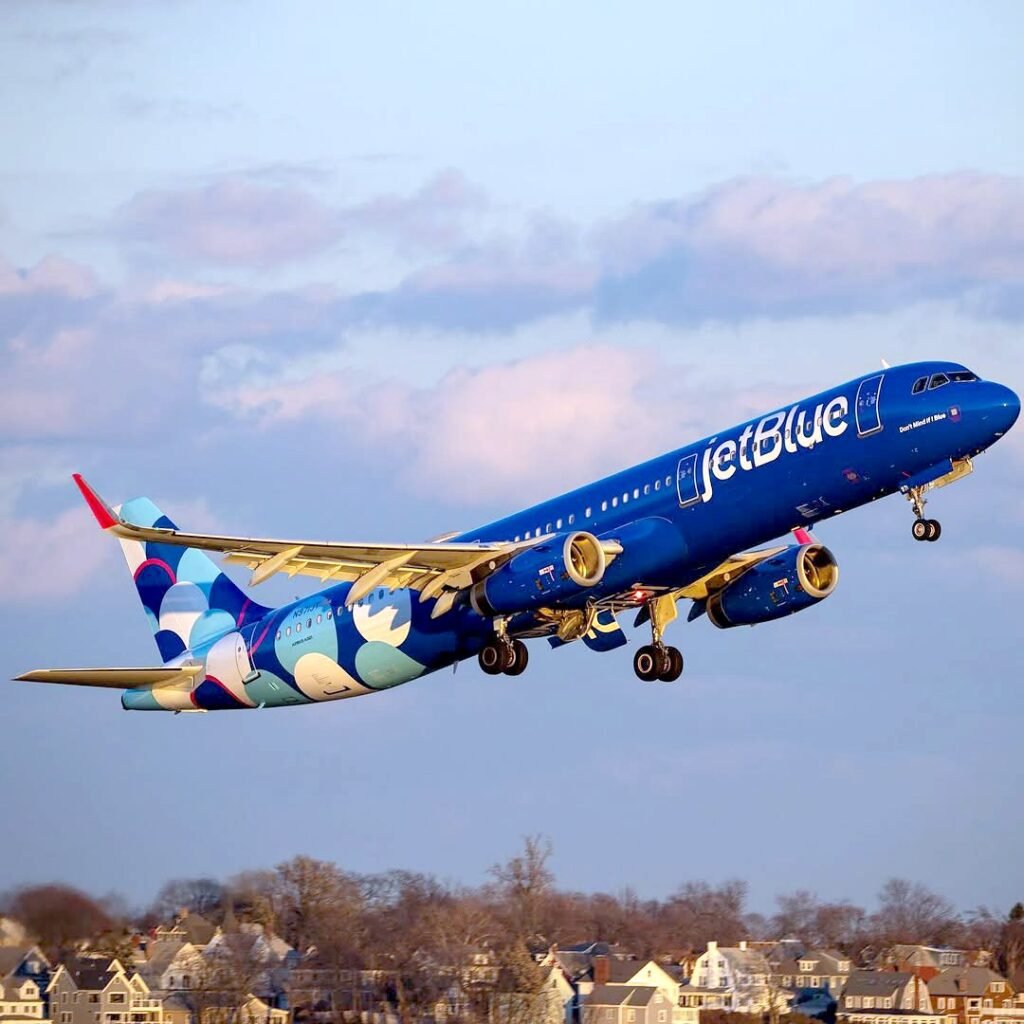
Washington, United States: The U.S. Department of Transportation (DOT) has issued formal guidance stating that airlines are not required to provide passengers with out-of-pocket compensation, such as meals or hotel stays, when flight cancellations or extended delays result from aircraft recalls rather than airline operational issues. The guidance, released on Wednesday, responds to widespread travel disruptions that occurred during the busy Thanksgiving period after carriers worldwide were compelled to perform immediate inspections and software updates on Airbus A320-family aircraft. Approximately 6,000 aircraft were affected by the recall, which followed an incident in October involving a JetBlue flight that experienced a rapid, uncommanded drop in altitude, injuring at least 15 passengers. Airbus attributed the event to a software anomaly linked to the airplane’s flight-control systems. Under current U.S. regulations, airlines must fully refund passengers when a flight is canceled for any reason, including equipment recalls. However, DOT regulations do not mandate reimbursement for ancillary expenses such as lodging and meals for delays or cancellations beyond an airline’s control. The new guidance underscores that recall-related disruptions fall into this category. While the DOT does not compel carriers to cover such costs, many major U.S. airlines maintain voluntary customer service policies that provide varying degrees of compensation when delays or cancellations are due to circumstances within the airline’s operational control such as crew shortages or mechanical failures. For example, several carriers offer meal vouchers or hotel coverage when delays extend beyond set thresholds for controllable events. However, the DOT’s recent clarification specifies that aircraft recalls are not considered within an airline’s control, meaning those voluntary commitments are not triggered by recall-related disruptions. Airlines remain free to offer accommodations or other benefits at their discretion. The guidance comes amid broader shifts in federal airline consumer protection policy. In September 2025, the DOT under the current administration withdrew a Biden-era proposal that would have required airlines to pay passengers for certain lengthy delays and cancellations, aligning U.S. protections more closely with standards in the European Union and other jurisdictions. Officials framed the move as consistent with broader regulatory priorities focused on reducing economic burdens on industry. Consumer advocacy groups have raised concerns that the absence of mandatory compensation for extra-contractual expenses may leave passengers vulnerable to significant out-of-pocket costs following large-scale operational disruptions. Airlines and industry trade associations, conversely, argue that rigid compensation mandates could inflate fares and constrain carrier flexibility, particularly in responding to safety-driven directives from regulators like the Federal Aviation Administration (FAA). As the 2025 holiday travel season progresses, both passengers and carriers continue navigating the operational challenges triggered by the Airbus software recall and its cascading effects on flight schedules.
Image: JetBlue

Washington, United States: The U.S. Department of Transportation (DOT) has issued formal guidance stating that airlines are not required to provide passengers with out-of-pocket compensation, such as meals or hotel stays, when flight cancellations or extended delays result from aircraft recalls rather than airline operational issues. 

The guidance, released on Wednesday, responds to widespread travel disruptions that occurred during the busy Thanksgiving period after carriers worldwide were compelled to perform immediate inspections and software updates on Airbus A320-family aircraft. Approximately 6,000 aircraft were affected by the recall, which followed an incident in October involving a JetBlue flight that experienced a rapid, uncommanded drop in altitude, injuring at least 15 passengers. Airbus attributed the event to a software anomaly linked to the airplane’s flight-control systems. 

Under current U.S. regulations, airlines must fully refund passengers when a flight is canceled for any reason, including equipment recalls. However, DOT regulations do not mandate reimbursement for ancillary expenses such as lodging and meals for delays or cancellations beyond an airline’s control. The new guidance underscores that recall-related disruptions fall into this category.

While the DOT does not compel carriers to cover such costs, many major U.S. airlines maintain voluntary customer service policies that provide varying degrees of compensation when delays or cancellations are due to circumstances within the airline’s operational control such as crew shortages or mechanical failures. For example, several carriers offer meal vouchers or hotel coverage when delays extend beyond set thresholds for controllable events. 

However, the DOT’s recent clarification specifies that aircraft recalls are not considered within an airline’s control, meaning those voluntary commitments are not triggered by recall-related disruptions. Airlines remain free to offer accommodations or other benefits at their discretion. 

The guidance comes amid broader shifts in federal airline consumer protection policy. In September 2025, the DOT under the current administration withdrew a Biden-era proposal that would have required airlines to pay passengers for certain lengthy delays and cancellations, aligning U.S. protections more closely with standards in the European Union and other jurisdictions. Officials framed the move as consistent with broader regulatory priorities focused on reducing economic burdens on industry.

Consumer advocacy groups have raised concerns that the absence of mandatory compensation for extra-contractual expenses may leave passengers vulnerable to significant out-of-pocket costs following large-scale operational disruptions. Airlines and industry trade associations, conversely, argue that rigid compensation mandates could inflate fares and constrain carrier flexibility, particularly in responding to safety-driven directives from regulators like the Federal Aviation Administration (FAA).

As the 2025 holiday travel season progresses, both passengers and carriers continue navigating the operational challenges triggered by the Airbus software recall and its cascading effects on flight schedules.

Leave a Comment

Subscribe to our Newsletter

Recent News