News
Civil Aviation
Pilot Training
Flight School Analysis
Aviation Jobs
Training
Services
About Us
Contact Us

American CEO Faces Backlash From Pilots And Flight Attendants, APFA To Protest At HQ

Picture of Aviation Today News Desk

Aviation Today News Desk

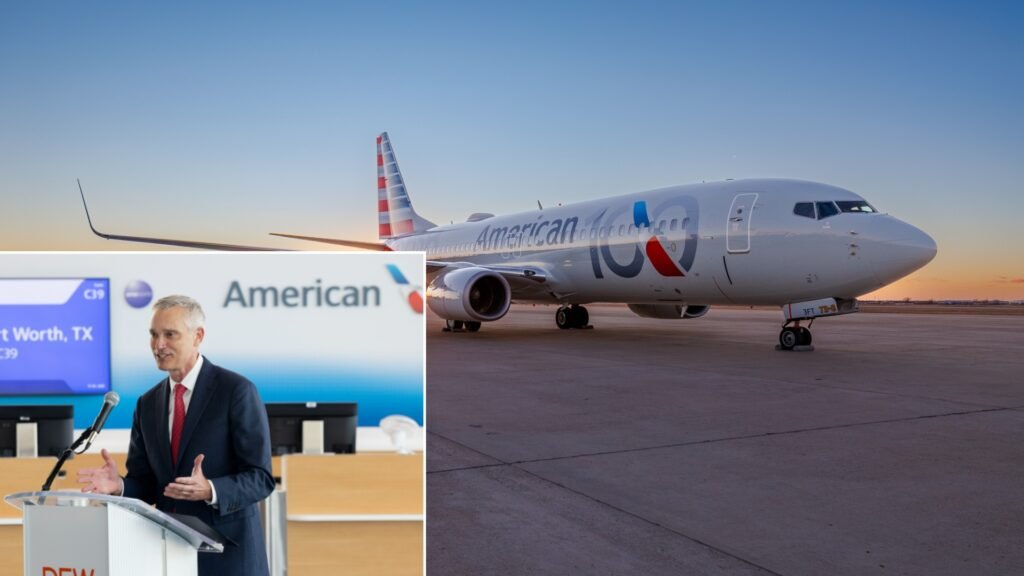
Texas, United States: American Airlines Group Inc. is confronting unprecedented internal pressure from its largest labor unions this week as both flight attendants and pilots publicly rebuked Chief Executive Officer Robert Isom, citing chronic operational disruptions, lagging financial performance and strategic shortcomings. The escalation marks one of the most significant labor-management tensions in the airline’s recent history. On February 9, 2026, the Association of Professional Flight Attendants (APFA) representing more than 28,000 American flight attendants issued a unanimous vote of no confidence in CEO Robert Isom, calling his leadership a “downward spiral” and urging a change at the top. The union says persistent operational failures and poor financial outcomes have directly harmed frontline workers and passenger experience. APFA has also scheduled a protest outside American’s headquarters in Fort Worth on February 12, reinforcing demands for executive accountability, improved operational support and a credible turnaround strategy. “This level of failure begins at the very top,” APFA President Julie Hedrick said in union communications, faulting management for decisions that left employees and travelers coping with systemic disruptions. Meanwhile, the Allied Pilots Association (APA) representing about 16,000 pilots delivered a strongly worded letter to American’s board earlier in the week asserting that confidence in management has eroded. Although the APA stopped short of a formal no-confidence vote, its leadership called for a face-to-face meeting with board members to address operational, cultural, and strategic issues. In a leaked letter to the APA board, Isom wrote, “The Board and I are aligned with you in the desire to make American the strongest airline possible in every respect. We discussed your letter at length and agreed that, as a member of the board and CEO, it is most appropriate that I get together with you, your leadership team, or the APA Board of Directors, whatever is best as soon as possible.” “I appreciate the opportunity to address the items outlined in your letter and the specifics you relayed to me personally regarding our handling of Winter Storms Fern and Gianna; American’s focus on pilot attendance policies; and our business plan to return American to its rightful place atop the industry.” American’s board also agreed to discuss those concerns directly with APA representatives, a rare concession that reflects the seriousness of the unrest. The immediate backdrop to the unions’ actions includes a major operational breakdown in late January when Winter Storm Fern swept through the U.S., severely disrupting airline schedules. Between January 23 and January 28, American Airlines cancelled nearly 6,800 flights, equating to roughly 43.4% of its schedule during that period. Unions contend that the airline was inadequately prepared for the storm’s impact, leaving crews stranded overnight in airports and passengers stranded in mass , incidents they say exposed deeper systemic weaknesses in planning and recovery procedures. APFA leaders cited anecdotes of flight attendants sleeping on airport floors and extended hold times during the chaos. American’s financial performance in recent years has significantly lagged its two main rivals, Delta and United Airlines, and many unions pin the blame on Isom’s strategy to turn the carrier’s domestic and network into its main differentiator. In 2025, the airline posted a full-year net profit of $111 million, down sharply from $846 million in 2024 and representing an approximately 87% decline in profits, according to union and industry reporting. By comparison, Delta Air Lines recorded a net profit near $5 billion and United Airlines around $3.4 billion in the same period. Isom embarked on a cost-cutting mission, ripping out TV screens from domestic airliners just as its rivals were doing the exact opposite. American chose to compete on price, while Delta and United pursued higher-yield premium passengers. The strategy adopted by Delta and United has proven to be incredibly successful, while airlines competing on price continue to lag financially. There are very real signs that American Airlines knows it went in the wrong direction. Isom says the carrier is focused on improving its premium proposition, but unions fear that he is the wrong person to lead the significant change that is required to turn American Airlines around. In 2024, the perceived architect of American’s failed strategy, Vasu Raja, was ushered out for what the APFA describes as a “high-profile sales and distribution debacle that set American back years and alienated thousands of high-revenue customers and businesses.” Despite this, however, Vasu continued to receive $462,000 in base pay for seven months and was awarded a $1 million lump sum severance, a decision that infuriated unions. Profit margin disparities have translated into meager profit-sharing payouts for front-line workers. One example cited by union critics shows that while employees at other major carriers received bonus checks worth weeks of pay, American’s payout was a fraction roughly 0.3% of annual salary. American’s stock has also underperformed broader expectations, declining significantly in early 2026 and continuing a negative trend from 2025. American Airlines executives, including Isom, have defended the company’s direction in recent earnings calls, emphasizing a strategy focused on customer experience enhancements, network optimization, and revenue generation through premium product upgrades. Management has acknowledged the winter storm as the largest weather-related operational disruption in the airline’s history but maintained that ongoing improvements will yield stronger results in 2026. Isom, who became CEO in March 2022, has told pilots that the upcoming board meeting will focus not only on addressing operational performance but also on issues such as pilot attendance and broader business planning. However, union leaders argue that without measurable progress on reliability, strategy, and employee support, morale and confidence will continue eroding a dynamic they warn could have long-term consequences for American’s competitive position. With protests planned, direct talks underway between pilot representatives and senior leadership, and flight attendants pushing strategic change at the board level, American Airlines finds itself at a labor and leadership crossroads. Stakeholders from investors to travelers will be watching closely as the airline seeks to reconcile internal dissent with its efforts to close performance gaps against Delta and United, restore operational stability, and articulate a definitive long-term strategy for recovery.
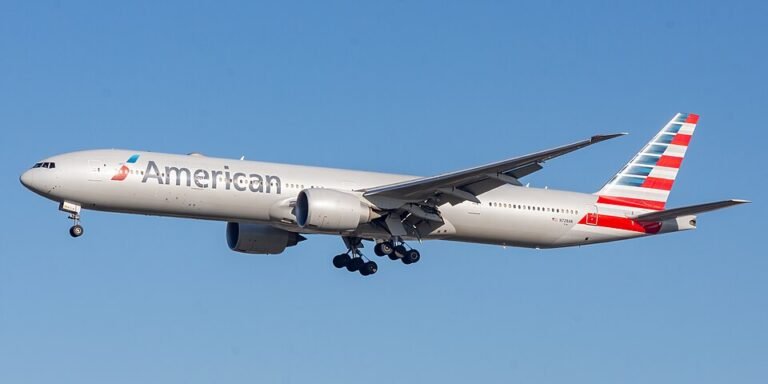
Image: American Airlines

Texas, United States: American Airlines Group Inc. is confronting unprecedented internal pressure from its largest labor unions this week as both flight attendants and pilots publicly rebuked Chief Executive Officer Robert Isom, citing chronic operational disruptions, lagging financial performance and strategic shortcomings. The escalation marks one of the most significant labor-management tensions in the airline’s recent history.

On February 9, 2026, the Association of Professional Flight Attendants (APFA) representing more than 28,000 American flight attendants issued a unanimous vote of no confidence in CEO Robert Isom, calling his leadership a “downward spiral” and urging a change at the top. The union says persistent operational failures and poor financial outcomes have directly harmed frontline workers and passenger experience.

APFA has also scheduled a protest outside American’s headquarters in Fort Worth on February 12, reinforcing demands for executive accountability, improved operational support and a credible turnaround strategy.

“This level of failure begins at the very top,” APFA President Julie Hedrick said in union communications, faulting management for decisions that left employees and travelers coping with systemic disruptions.

Meanwhile, the Allied Pilots Association (APA) representing about 16,000 pilots delivered a strongly worded letter to American’s board earlier in the week asserting that confidence in management has eroded. Although the APA stopped short of a formal no-confidence vote, its leadership called for a face-to-face meeting with board members to address operational, cultural, and strategic issues.

In a leaked letter to the APA board, Isom wrote, “The Board and I are aligned with you in the desire to make American the strongest airline possible in every respect. We discussed your letter at length and agreed that, as a member of the board and CEO, it is most appropriate that I get together with you, your leadership team, or the APA Board of Directors, whatever is best as soon as possible.”

“I appreciate the opportunity to address the items outlined in your letter and the specifics you relayed to me personally regarding our handling of Winter Storms Fern and Gianna; American’s focus on pilot attendance policies; and our business plan to return American to its rightful place atop the industry.”

American’s board also agreed to discuss those concerns directly with APA representatives, a rare concession that reflects the seriousness of the unrest.

The immediate backdrop to the unions’ actions includes a major operational breakdown in late January when Winter Storm Fern swept through the U.S., severely disrupting airline schedules. Between January 23 and January 28, American Airlines cancelled nearly 6,800 flights, equating to roughly 43.4% of its schedule during that period.

Unions contend that the airline was inadequately prepared for the storm’s impact, leaving crews stranded overnight in airports and passengers stranded in mass , incidents they say exposed deeper systemic weaknesses in planning and recovery procedures. APFA leaders cited anecdotes of flight attendants sleeping on airport floors and extended hold times during the chaos.

American’s financial performance in recent years has significantly lagged its two main rivals, Delta and United Airlines, and many unions pin the blame on Isom’s strategy to turn the carrier’s domestic and network into its main differentiator. 

In 2025, the airline posted a full-year net profit of $111 million, down sharply from $846 million in 2024 and representing an approximately 87% decline in profits, according to union and industry reporting. By comparison, Delta Air Lines recorded a net profit near $5 billion and United Airlines around $3.4 billion in the same period.

Isom embarked on a cost-cutting mission, ripping out TV screens from domestic airliners just as its rivals were doing the exact opposite. American chose to compete on price, while Delta and United pursued higher-yield premium passengers.

The strategy adopted by Delta and United has proven to be incredibly successful, while airlines competing on price continue to lag financially.

There are very real signs that American Airlines knows it went in the wrong direction. Isom says the carrier is focused on improving its premium proposition, but unions fear that he is the wrong person to lead the significant change that is required to turn American Airlines around.

In 2024, the perceived architect of American’s failed strategy, Vasu Raja, was ushered out for what the APFA describes as a “high-profile sales and distribution debacle that set American back years and alienated thousands of high-revenue customers and businesses.”

Despite this, however, Vasu continued to receive $462,000 in base pay for seven months and was awarded a $1 million lump sum severance, a decision that infuriated unions.

Profit margin disparities have translated into meager profit-sharing payouts for front-line workers. One example cited by union critics shows that while employees at other major carriers received bonus checks worth weeks of pay, American’s payout was a fraction roughly 0.3% of annual salary.

American’s stock has also underperformed broader expectations, declining significantly in early 2026 and continuing a negative trend from 2025.

American Airlines executives, including Isom, have defended the company’s direction in recent earnings calls, emphasizing a strategy focused on customer experience enhancements, network optimization, and revenue generation through premium product upgrades. Management has acknowledged the winter storm as the largest weather-related operational disruption in the airline’s history but maintained that ongoing improvements will yield stronger results in 2026.

Isom, who became CEO in March 2022, has told pilots that the upcoming board meeting will focus not only on addressing operational performance but also on issues such as pilot attendance and broader business planning.

However, union leaders argue that without measurable progress on reliability, strategy, and employee support, morale and confidence will continue eroding a dynamic they warn could have long-term consequences for American’s competitive position.

With protests planned, direct talks underway between pilot representatives and senior leadership, and flight attendants pushing strategic change at the board level, American Airlines finds itself at a labor and leadership crossroads.

Stakeholders from investors to travelers will be watching closely as the airline seeks to reconcile internal dissent with its efforts to close performance gaps against Delta and United, restore operational stability, and articulate a definitive long-term strategy for recovery.

Leave a Comment

Subscribe to our Newsletter

Recent News

error: Unauthorized copying is not permitted