News
Civil Aviation
Pilot Training
Flight School Analysis
Aviation Jobs
Training
Services
About Us
Contact Us

Alaska Airlines Faces Record Flight Attendant Illness, Disrupting Operations Schedule

Picture of Aviation Today News Desk

Aviation Today News Desk

Seattle, United States: Alaska Airlines is confronting one of the most significant staffing disruptions in its recent history as an unusually large number of flight attendants call in sick amid a surge in respiratory illness across the United States. Internal communications reviewed by industry observers show that more than 540 Alaska Airlines flight attendants were absent due to illness over a recent weekend, marking what the carrier described as an all-time high in sick calls. The volume of absences has strained crew reserves and forced the airline to adopt contingency measures to maintain scheduled operations. The spike in sick calls has resulted in flight delays and a modest number of cancellations as the airline works to reposition staff and preserve its network integrity. On the worst-affected days last weekend, Alaska Airlines cancelled more than 30 flights per day while delays affected an estimated 37 % of its schedule according to flight-tracking services. While the carrier has largely avoided widespread cancellations so far, sources note that scheduling teams are prioritising high-density routes and strategic departures to prevent disruptions from cascading across subsequent days. Alaska Airlines is not alone. Other major U.S. carriers, including JetBlue, Spirit Airlines, and Frontier, have reported elevated levels of crew absences that have necessitated activation of emergency contingency staffing plans. In several cases, airlines have required medical documentation for sick leave or offered enhanced pay incentives to crew willing to fill gaps. Spirit Airlines, for example, saw cancellations approach double-digit percentages of its scheduled flights earlier in the year as staffing shortages compounded operational challenges. The surge in sick calls corresponds with broader public health data showing elevated rates of influenza and other respiratory viruses circulating this winter. Public health officials in the U.S. have recently reported higher-than-normal seasonal respiratory illness activity, a trend that has affected multiple sectors reliant on workforce availability. While Alaska Airlines has not publicly attributed specific causes to the absences, insiders characterize the rise in call-outs as linked to the broader seasonal spike in illness. To mitigate disruption, Alaska Airlines has offered incentives to flight attendants on days off to volunteer for additional trips and has adjusted scheduling practices to keep services running. Officials are also encouraging passengers to monitor flight status closely and consider travel insurance where appropriate. For travellers affected by delays or cancellations, Alaska Airlines advises checking flight status and rebooking options through its official channels.
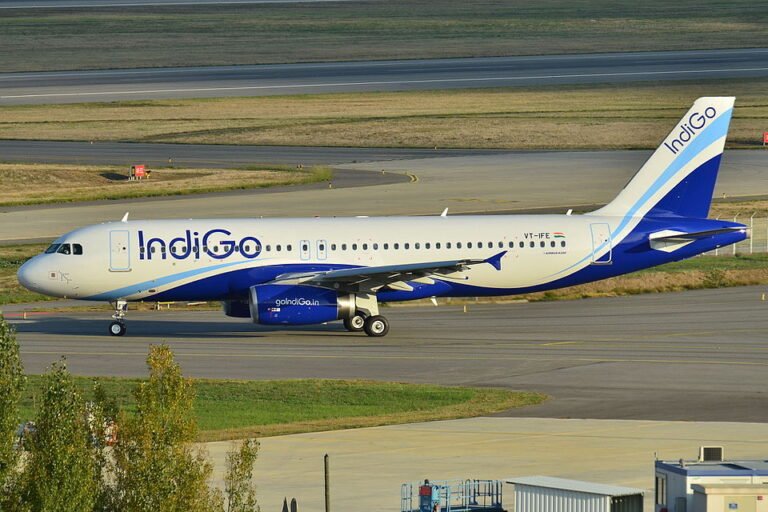
Image: Alaska Airlines

Seattle, United States: Alaska Airlines is confronting one of the most significant staffing disruptions in its recent history as an unusually large number of flight attendants call in sick amid a surge in respiratory illness across the United States.

Internal communications reviewed by industry observers show that more than 540 Alaska Airlines flight attendants were absent due to illness over a recent weekend, marking what the carrier described as an all-time high in sick calls. The volume of absences has strained crew reserves and forced the airline to adopt contingency measures to maintain scheduled operations. 

The spike in sick calls has resulted in flight delays and a modest number of cancellations as the airline works to reposition staff and preserve its network integrity. On the worst-affected days last weekend, Alaska Airlines cancelled more than 30 flights per day while delays affected an estimated 37 % of its schedule according to flight-tracking services. 

While the carrier has largely avoided widespread cancellations so far, sources note that scheduling teams are prioritising high-density routes and strategic departures to prevent disruptions from cascading across subsequent days. 

Alaska Airlines is not alone. Other major U.S. carriers, including JetBlue, Spirit Airlines, and Frontier, have reported elevated levels of crew absences that have necessitated activation of emergency contingency staffing plans. In several cases, airlines have required medical documentation for sick leave or offered enhanced pay incentives to crew willing to fill gaps. 

Spirit Airlines, for example, saw cancellations approach double-digit percentages of its scheduled flights earlier in the year as staffing shortages compounded operational challenges. 

The surge in sick calls corresponds with broader public health data showing elevated rates of influenza and other respiratory viruses circulating this winter. Public health officials in the U.S. have recently reported higher-than-normal seasonal respiratory illness activity, a trend that has affected multiple sectors reliant on workforce availability. 

While Alaska Airlines has not publicly attributed specific causes to the absences, insiders characterize the rise in call-outs as linked to the broader seasonal spike in illness.

To mitigate disruption, Alaska Airlines has offered incentives to flight attendants on days off to volunteer for additional trips and has adjusted scheduling practices to keep services running. Officials are also encouraging passengers to monitor flight status closely and consider travel insurance where appropriate.

For travellers affected by delays or cancellations, Alaska Airlines advises checking flight status and rebooking options through its official channels.


Leave a Comment

Subscribe to our Newsletter

Recent News