News
Civil Aviation
Pilot Training
Flight School Analysis
Aviation Jobs
Training
Services
About Us
Contact Us

FAA Proposes Seat Inspections For 453 Boeing 737 MAX Jets Over Installation Issue

Picture of Aviation Today News Desk

Aviation Today News Desk

Washington, United States: The U.S. Federal Aviation Administration (FAA) on July 27, 2026, proposed inspections of passenger seat assemblies on 453 U.S.-registered Boeing 737 MAX aircraft after receiving a report that some seats may not have been correctly installed in their floor tracks. The proposed Airworthiness Directive (AD) applies to certain Boeing 737-8, 737-9 and 737-8200 aircraft. According to the FAA, the issue involves track-mounted passenger seat assemblies whose aft fitting shear plungers may not have been correctly lowered and engaged in the seat tracks. The regulator said an incorrectly installed seat assembly could disengage from the seat tracks under increased loads, during turbulence or in an emergency landing. The FAA warned that, if the condition is not corrected, it could result in injuries to passengers or crew during an emergency landing or block an aisle and slow an evacuation. The FAA said the proposed directive would require operators to conduct a detailed inspection of the seat-track fittings on each left- and right-side track-mounted passenger seat assembly to verify that they are correctly installed. Any required corrective action would also have to be carried out. "There could be up to 69 track-mounted passenger seat assemblies on each 737 MAX plane," according to details cited in the FAA proposal. The agency estimates one work-hour for the required action per affected seat assembly, with the inspection and corrective work expected to cost operators about $85 per seat assembly. The FAA estimates the total inspection cost for U.S. operators at up to $2.66 million, while Boeing has indicated that some or all costs associated with the proposed AD may be covered under warranty. The FAA's proposed rule was prompted by Boeing Special Attention Requirements Bulletin 737-25-1927 RB, dated December 10, 2025. Boeing had previously provided guidance to operators on the issue, and the FAA is now proposing to make the required inspections and corrective actions mandatory. The agency said it had determined that the unsafe condition identified in the report is likely to exist or develop on other aircraft of the same type design. The proposal does not currently indicate that all 453 aircraft have incorrectly installed seats. Instead, the FAA is proposing inspections to determine whether the seat assemblies are correctly secured and to require corrective action where necessary. The FAA has set September 10, 2026, as the deadline for public comments on the proposed directive. The agency will consider comments before deciding whether to issue a final Airworthiness Directive. The FAA proposal itself does not identify a specific accident or injury linked to the seat installation issue. Rather, the regulator is acting on the potential safety risk posed by a seat assembly becoming disengaged from its track during high-load conditions. The development comes as the FAA continues heightened oversight of Boeing's production and quality-control processes. On July 17, 2026, the agency announced that Boeing would be allowed to resume issuing airworthiness certificates for all newly produced 737 MAX and 787 aircraft from July 20, following months of FAA review of production quality data. The latest seat-track proposal is therefore another regulatory action focused on ensuring that aircraft meet approved design and safety requirements, but it does not amount to a grounding order or an immediate suspension of 737 MAX operations.

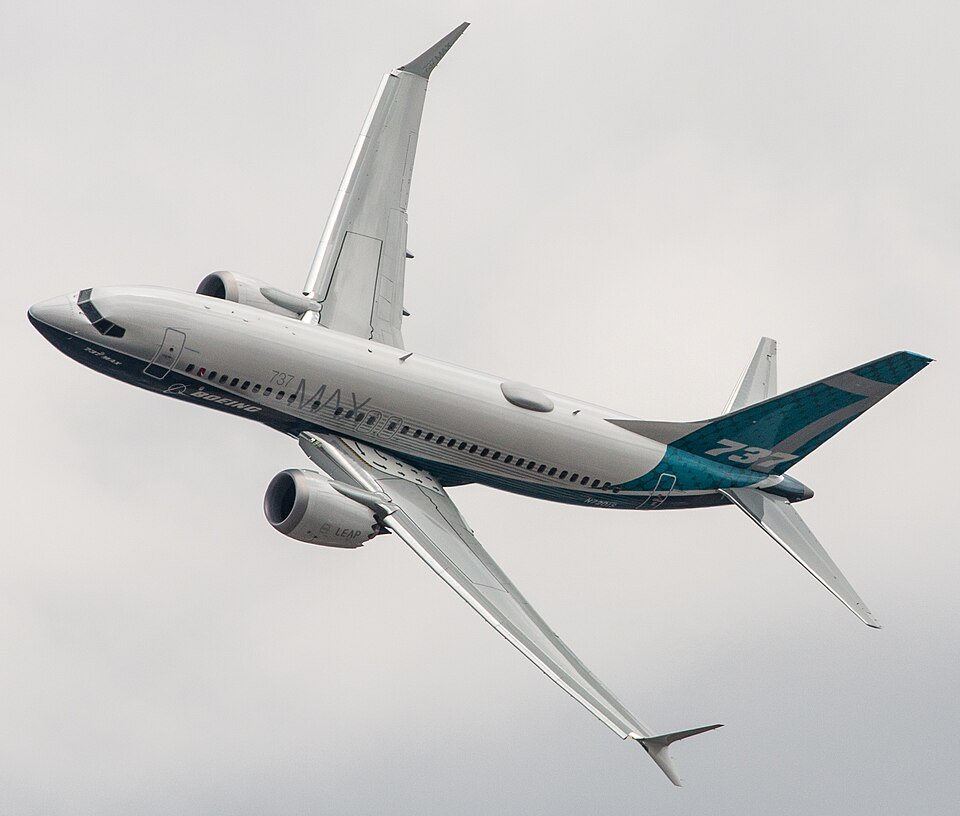
Image: Steve Lynes (Flickr)

Washington, United States: The U.S. Federal Aviation Administration (FAA) on July 27, 2026, proposed inspections of passenger seat assemblies on 453 U.S.-registered Boeing 737 MAX aircraft after receiving a report that some seats may not have been correctly installed in their floor tracks.

The proposed Airworthiness Directive (AD) applies to certain Boeing 737-8, 737-9 and 737-8200 aircraft. According to the FAA, the issue involves track-mounted passenger seat assemblies whose aft fitting shear plungers may not have been correctly lowered and engaged in the seat tracks.

The regulator said an incorrectly installed seat assembly could disengage from the seat tracks under increased loads, during turbulence or in an emergency landing. The FAA warned that, if the condition is not corrected, it could result in injuries to passengers or crew during an emergency landing or block an aisle and slow an evacuation.

The FAA said the proposed directive would require operators to conduct a detailed inspection of the seat-track fittings on each left- and right-side track-mounted passenger seat assembly to verify that they are correctly installed. Any required corrective action would also have to be carried out.

“There could be up to 69 track-mounted passenger seat assemblies on each 737 MAX plane,” according to details cited in the FAA proposal. The agency estimates one work-hour for the required action per affected seat assembly, with the inspection and corrective work expected to cost operators about $85 per seat assembly. The FAA estimates the total inspection cost for U.S. operators at up to $2.66 million, while Boeing has indicated that some or all costs associated with the proposed AD may be covered under warranty.

The FAA’s proposed rule was prompted by Boeing Special Attention Requirements Bulletin 737-25-1927 RB, dated December 10, 2025. Boeing had previously provided guidance to operators on the issue, and the FAA is now proposing to make the required inspections and corrective actions mandatory.

The agency said it had determined that the unsafe condition identified in the report is likely to exist or develop on other aircraft of the same type design.

The proposal does not currently indicate that all 453 aircraft have incorrectly installed seats. Instead, the FAA is proposing inspections to determine whether the seat assemblies are correctly secured and to require corrective action where necessary.

The FAA has set September 10, 2026, as the deadline for public comments on the proposed directive. The agency will consider comments before deciding whether to issue a final Airworthiness Directive.

The FAA proposal itself does not identify a specific accident or injury linked to the seat installation issue. Rather, the regulator is acting on the potential safety risk posed by a seat assembly becoming disengaged from its track during high-load conditions.

The development comes as the FAA continues heightened oversight of Boeing’s production and quality-control processes. On July 17, 2026, the agency announced that Boeing would be allowed to resume issuing airworthiness certificates for all newly produced 737 MAX and 787 aircraft from July 20, following months of FAA review of production quality data.

The latest seat-track proposal is therefore another regulatory action focused on ensuring that aircraft meet approved design and safety requirements, but it does not amount to a grounding order or an immediate suspension of 737 MAX operations.

Leave a Comment

Subscribe to our Newsletter

Recent News

Aviation Today Perspectives