News
Civil Aviation
Pilot Training
Flight School Analysis
Aviation Jobs
Training
Services
About Us
Contact Us

FAA Allows Boeing To Resume Airworthiness Certification For 737 MAX And 787 Aircraft

Picture of Aviation Today News Desk

Aviation Today News Desk

Washington, United States: The U.S. Federal Aviation Administration (FAA) will allow Boeing to resume issuing airworthiness certificates for all newly built 737 MAX and 787 aircraft beginning July 20, 2026, following months of safety oversight and production quality reviews that found the manufacturer's certification results matched those of FAA inspectors. The decision marks another step in the regulator's gradual restoration of Boeing's certification responsibilities after years of heightened oversight following the 737 MAX accidents and 787 production quality concerns. According to the FAA, Boeing and the agency have alternated responsibility for issuing airworthiness certificates since September 2025, with each taking turns on a weekly basis. During the past eight months, the FAA said it observed comparable production quality findings regardless of whether certificates were issued by Boeing or FAA inspectors. Based on those results, the agency concluded it can safely return full responsibility for issuing airworthiness certificates to Boeing while maintaining strict regulatory oversight. The decision became effective Monday, July 20, 2026. An airworthiness certificate is the final approval issued before a newly manufactured aircraft can be delivered to an airline and enter commercial service. The certificate confirms that the aircraft complies with its approved design and is safe to operate. "Safety drives everything we do, and this step forward is only possible because we are confident it can be done safely," FAA Administrator Bryan Bedford said. "Our inspectors will continue rigorous oversight of Boeing's production while focusing more of their time where it has the greatest impact identifying and addressing potential risks earlier in the manufacturing process." Despite restoring Boeing's authority, the FAA emphasized that it will continue extensive oversight of the manufacturer's production system. The agency said its inspectors will maintain inspections, audits and monitoring of Boeing's manufacturing operations, including critical assembly activities, production quality trends and compliance with approved type design and engineering requirements. The regulator also said it will continue closely monitoring Boeing's Safety Management System (SMS) and evaluating the company's overall safety culture as part of its ongoing surveillance. The certification authority is exercised through the FAA's Organization Designation Authorization (ODA) programme, which allows approved organizations to perform specific certification functions on behalf of the agency. Boeing's ODA unit operates as an independent organization within the company representing the FAA. The regulator renewed Boeing's ODA authorization for an additional three years in May 2025. The FAA first revoked Boeing's authority to issue airworthiness certificates for the 737 MAX in 2019 following the fatal Lion Air Flight 610 and Ethiopian Airlines Flight 302 crashes, which together claimed 346 lives and were linked to flaws in the aircraft's Maneuvering Characteristics Augmentation System (MCAS). The agency later suspended Boeing's authority to self-certify newly built 787 Dreamliners in 2022 after identifying production quality issues during manufacturing. Since September 2025, Boeing and FAA inspectors have alternated weekly responsibility for conducting the final safety checks required before aircraft deliveries. According to the FAA, the parallel certification process consistently produced similar findings, providing confidence that Boeing's certification procedures met the agency's safety standards. While Boeing will once again issue airworthiness certificates for all newly produced 737 MAX and 787 aircraft, FAA inspectors will remain actively involved in overseeing the manufacturer's production system. The regulator said the move will allow government inspectors to devote more resources to identifying manufacturing risks earlier in the production process rather than performing every final certification. Boeing welcomed the decision and said it will continue working to improve safety as FAA oversight remains in place.

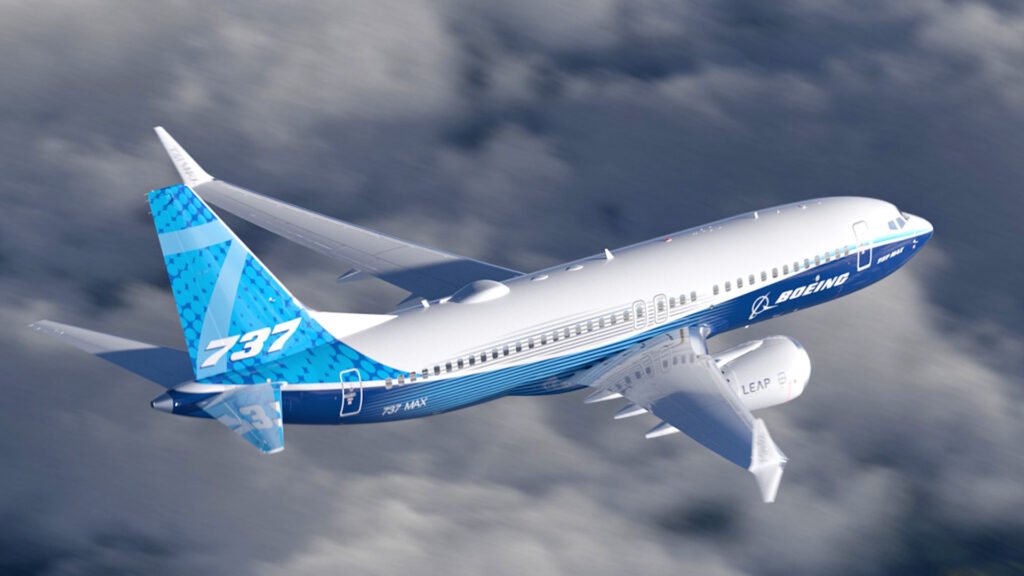
Image: Boeing

The U.S. Federal Aviation Administration (FAA) will allow Boeing to resume issuing airworthiness certificates for all newly built 737 MAX and 787 aircraft beginning July 20, 2026, following months of safety oversight and production quality reviews that found the manufacturer’s certification results matched those of FAA inspectors.

The decision marks another step in the regulator’s gradual restoration of Boeing’s certification responsibilities after years of heightened oversight following the 737 MAX accidents and 787 production quality concerns.

According to the FAA, Boeing and the agency have alternated responsibility for issuing airworthiness certificates since September 2025, with each taking turns on a weekly basis. During the past eight months, the FAA said it observed comparable production quality findings regardless of whether certificates were issued by Boeing or FAA inspectors.

Based on those results, the agency concluded it can safely return full responsibility for issuing airworthiness certificates to Boeing while maintaining strict regulatory oversight. The decision became effective Monday, July 20, 2026.

An airworthiness certificate is the final approval issued before a newly manufactured aircraft can be delivered to an airline and enter commercial service. The certificate confirms that the aircraft complies with its approved design and is safe to operate.

“Safety drives everything we do, and this step forward is only possible because we are confident it can be done safely,” FAA Administrator Bryan Bedford said. “Our inspectors will continue rigorous oversight of Boeing’s production while focusing more of their time where it has the greatest impact identifying and addressing potential risks earlier in the manufacturing process.”

Despite restoring Boeing’s authority, the FAA emphasized that it will continue extensive oversight of the manufacturer’s production system. The agency said its inspectors will maintain inspections, audits and monitoring of Boeing’s manufacturing operations, including critical assembly activities, production quality trends and compliance with approved type design and engineering requirements.

The regulator also said it will continue closely monitoring Boeing’s Safety Management System (SMS) and evaluating the company’s overall safety culture as part of its ongoing surveillance.

The certification authority is exercised through the FAA’s Organization Designation Authorization (ODA) programme, which allows approved organizations to perform specific certification functions on behalf of the agency. Boeing’s ODA unit operates as an independent organization within the company representing the FAA. The regulator renewed Boeing’s ODA authorization for an additional three years in May 2025.

The FAA first revoked Boeing’s authority to issue airworthiness certificates for the 737 MAX in 2019 following the fatal Lion Air Flight 610 and Ethiopian Airlines Flight 302 crashes, which together claimed 346 lives and were linked to flaws in the aircraft’s Maneuvering Characteristics Augmentation System (MCAS).

The agency later suspended Boeing’s authority to self-certify newly built 787 Dreamliners in 2022 after identifying production quality issues during manufacturing.

Since September 2025, Boeing and FAA inspectors have alternated weekly responsibility for conducting the final safety checks required before aircraft deliveries. According to the FAA, the parallel certification process consistently produced similar findings, providing confidence that Boeing’s certification procedures met the agency’s safety standards.

While Boeing will once again issue airworthiness certificates for all newly produced 737 MAX and 787 aircraft, FAA inspectors will remain actively involved in overseeing the manufacturer’s production system. The regulator said the move will allow government inspectors to devote more resources to identifying manufacturing risks earlier in the production process rather than performing every final certification.

Boeing welcomed the decision and said it will continue working to improve safety as FAA oversight remains in place.

Leave a Comment

Subscribe to our Newsletter

Recent News

Aviation Today Perspectives