News
Civil Aviation
Pilot Training
Flight School Analysis
Aviation Jobs
Training
Services
About Us
Contact Us

U.S. Air Force F‑16 Thunderbird Crashes Near Trona, California, Pilot Ejects Safely

Picture of Aviation Today News Desk

Aviation Today News Desk

California, United States: An F‑16C Fighting Falcon from the U.S. Air Force Thunderbirds demonstration squadron crashed in the Mojave Desert near Trona Airport on December 3, 2025, during a routine training flight. The pilot ejected safely and is in stable condition, according to U.S. Air Force officials. The crash occurred at approximately 10:45 a.m. PST. The aircraft was part of a scheduled training sortie over controlled airspace. Video footage shared on social media shows the jet descending rapidly before the pilot ejected, followed by a large plume of smoke from the desert impact site. Emergency crews from the San Bernardino County Fire Department responded to the crash. The pilot was transported to a local hospital in Ridgecrest with non-life-threatening injuries. "The pilot ejected safely and is receiving medical care," said a spokesperson for the 57th Wing Public Affairs Office. “The incident is under investigation.” The U.S. Air Force confirmed the crash but did not release further details regarding the cause or the pilot's identity. Authorities are investigating whether the crash resulted from mechanical failure, pilot error, or other factors. No injuries to civilians were reported, and the area was secured by local authorities to contain any hazards from jet fuel or debris. The Thunderbirds are the Air Force’s premier demonstration squadron, flying high-performance F‑16 aircraft in precise aerobatic displays. While accidents are rare, the high-speed, high-risk nature of training and demonstration flights carries inherent dangers. The Trona area and surrounding Mojave Desert are frequently used for military training exercises, including flight maneuvers and weapons testing, due to the controlled airspace and remote location. The 57th Wing is conducting a thorough investigation into the crash. A final report, expected in the coming weeks, will determine the cause and issue recommendations to prevent similar incidents.
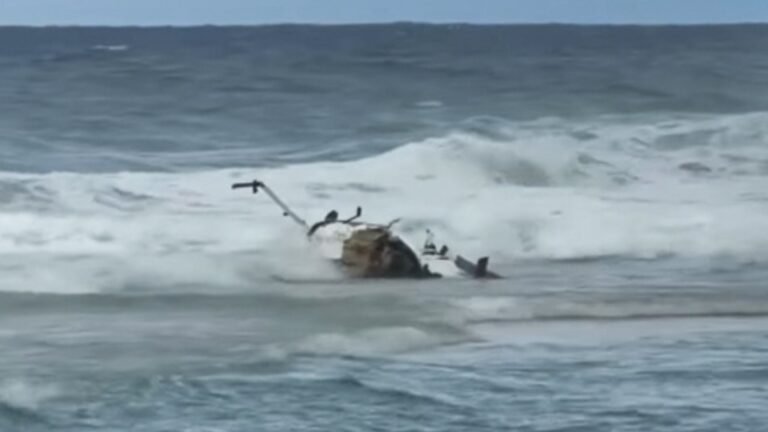
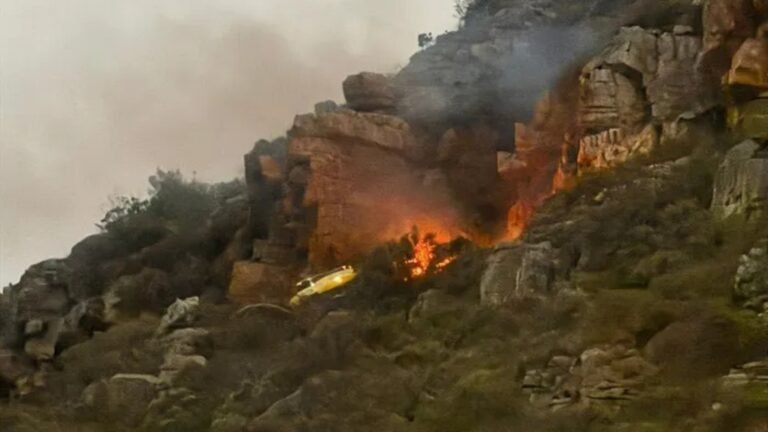
Image: @rawsalerts (X)

California, United States: An F‑16C Fighting Falcon from the U.S. Air Force Thunderbirds demonstration squadron crashed in the Mojave Desert near Trona Airport on December 3, 2025, during a routine training flight. The pilot ejected safely and is in stable condition, according to U.S. Air Force officials.

The crash occurred at approximately 10:45 a.m. PST. The aircraft was part of a scheduled training sortie over controlled airspace. Video footage shared on social media shows the jet descending rapidly before the pilot ejected, followed by a large plume of smoke from the desert impact site.

Emergency crews from the San Bernardino County Fire Department responded to the crash. The pilot was transported to a local hospital in Ridgecrest with non-life-threatening injuries.

“The pilot ejected safely and is receiving medical care,” said a spokesperson for the 57th Wing Public Affairs Office. “The incident is under investigation.”

The U.S. Air Force confirmed the crash but did not release further details regarding the cause or the pilot’s identity. Authorities are investigating whether the crash resulted from mechanical failure, pilot error, or other factors.

No injuries to civilians were reported, and the area was secured by local authorities to contain any hazards from jet fuel or debris.

The Thunderbirds are the Air Force’s premier demonstration squadron, flying high-performance F‑16 aircraft in precise aerobatic displays. While accidents are rare, the high-speed, high-risk nature of training and demonstration flights carries inherent dangers.

The Trona area and surrounding Mojave Desert are frequently used for military training exercises, including flight maneuvers and weapons testing, due to the controlled airspace and remote location.

The 57th Wing is conducting a thorough investigation into the crash. A final report, expected in the coming weeks, will determine the cause and issue recommendations to prevent similar incidents.

Leave a Comment

Subscribe to our Newsletter

Recent News