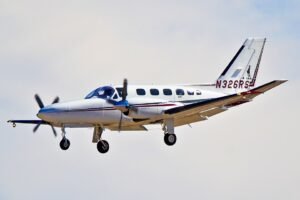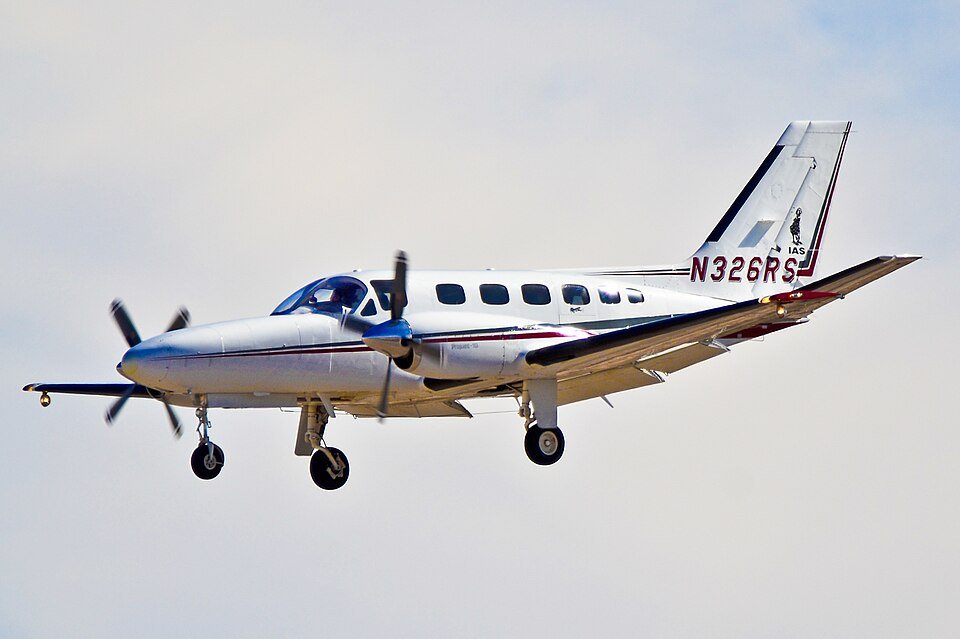
Broome, Australia: A small twin-engine aircraft carrying seven people made a forced landing into crocodile-infested waters in Roebuck Bay near Broome in Western Australia on Thursday morning, prompting a major emergency response and an ongoing investigation by aviation authorities.
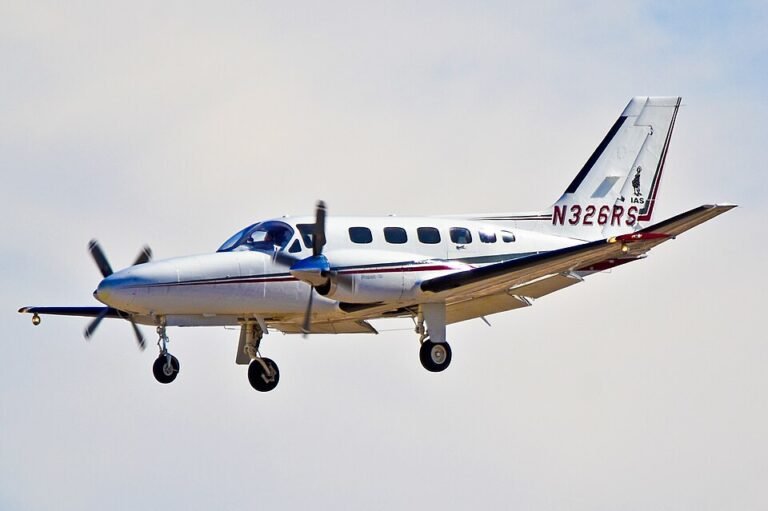
The aircraft, identified as a Cessna 441 Conquest, departed from Broome Airport and experienced a problem shortly after takeoff on March 19, 2026. According to preliminary information reported by multiple outlets, the flight was in its initial climb phase when the crew reportedly encountered a loss of engine power.
The aircraft then descended rapidly before coming down in shallow tidal waters close to Fisherman Bend, an area known for mangroves and saltwater crocodile activity.
There were seven people on board at the time of the incident, including two pilots and five passengers. Authorities confirmed that all occupants survived the crash. One passenger sustained non-life-threatening head injuries and was taken to Broome Hospital for treatment, while the remaining six were assessed at the scene and did not require hospitalisation.
Witnesses in the area reported seeing the aircraft flying at a low altitude and in an unusual attitude before it disappeared from view behind mangroves. Emergency services were alerted immediately, and a coordinated rescue operation was launched involving police, marine rescue units, and paramedics. Responders faced challenging conditions due to the remote location and the presence of saltwater crocodiles in the surrounding waters, which are known to inhabit the Roebuck Bay ecosystem.
Despite the environmental risks, rescue teams were able to reach the occupants and safely evacuate all seven individuals from the aircraft. Authorities have credited the rapid response of emergency services for preventing a potentially more serious outcome.
The Australian Transport Safety Bureau (ATSB) has commenced a formal investigation into the incident. Investigators are examining the aircraft’s maintenance history, operational records, and possible technical failure, with early indications pointing towards a loss of engine power shortly after departure.
Officials are also reviewing weather conditions, radar data, and any available witness or video footage to reconstruct the sequence of events leading up to the crash.
Authorities have appealed for members of the public who may have captured footage of the aircraft’s final moments to assist with the investigation. A full report will be released once the ATSB completes its analysis.
At this stage, officials have confirmed there were no fatalities, and the incident is being treated as a survivable crash landing in water. The investigation remains ongoing.