News
Civil Aviation
Pilot Training
Flight School Analysis
Aviation Jobs
Training
Services
About Us
Contact Us

AirAsia Recovers 75% Of Higher Fuel Costs Through Fare Hikes And Cost Cuts In Q3 2026

Picture of Aviation Today News Desk

Aviation Today News Desk

Sepang, Malaysia: AirAsia Group Berhad reported RM4.7 billion (US$1.14 billion) in revenue for the third quarter of 2026, with its net loss narrowing 54% quarter-on-quarter to RM381.3 million (US$92.60 million), as higher fares, capacity rationalisation and cost-control measures helped offset elevated aviation fuel prices. In its financial results announcement published on 23 November 2026, the Group reported that revenue for the quarter ended 30 September 2026 declined 11% year-on-year, despite a 26% reduction in Available Seat Kilometres (ASK). The company attributed the performance to its focus on maintaining fare levels and prioritising profitable routes during the traditionally weaker seasonal period for regional aviation, which coincided with monsoon conditions in markets including Thailand and the Philippines. The Group's pricing strategy contributed to a 20% year-on-year increase in Revenue per Available Seat Kilometre (RASK), which reached 22.50 sen. Average fares rose 23% to RM305 (US$74.07) from RM251 (US$60.96), while the passenger load factor remained at 80% across its network, indicating sustained demand despite higher ticket prices. AirAsia Group said it had adjusted capacity during non-peak periods while concentrating on stronger-performing fifth-freedom routes. Its short-haul operations in Malaysia and Cambodia maintained profitability, with Malaysia benefiting from strong Chinese demand on key routes in East Malaysia. Meanwhile, operations in Indonesia and the Philippines recorded narrower losses compared with the second quarter of 2026, supported by seasonal domestic demand and earlier fleet and network restructuring. The Group recorded earnings before interest, taxes, depreciation and amortisation (EBITDA) of RM629.4 million (US$152.86 million) during the third quarter, down 43% year-on-year but up 42% from RM442.6 million (US$107.49 million) in the second quarter of 2026. The improvement was supported by a 13% quarter-on-quarter reduction in operating expenses. Average jet fuel prices stood at US$152 per barrel, compared with a peak of US$183 per barrel in the preceding quarter. Despite the elevated fuel costs, AirAsia Group said it recovered approximately 75% of the additional fuel cost burden through fare adjustments, fuel surcharges, capacity optimisation and tighter control of non-fuel expenditure. The company's headline results also highlighted an 18% reduction in non-fuel costs through disciplined cost management and capacity rationalisation. Net loss narrowed to RM381.3 million (US$92.60 million), representing a 54% improvement from the preceding quarter, although foreign exchange volatility continued to affect the results. The Group recorded a foreign exchange loss of RM141.9 million (US$34.46 million). Excluding this impact, its net loss would have stood at RM239.4 million (US$58.14 million). Commenting on the results, AirAsia Group Chief Executive Officer Bo Lingam said the third-quarter performance indicated that the worst of the external challenges could be behind the company. He attributed the improvement to reducing unviable capacity, maintaining fare discipline and concentrating on routes with stronger commercial potential. He also pointed to geopolitical uncertainties encouraging travellers to favour shorter-haul, intra-ASEAN journeys, where the Group believes its network provides a competitive advantage. Lingam described the restructuring strategy as an effort to "shrink to grow stronger", involving the removal of unprofitable routes, the return of older aircraft and a broader renewal of the Group's fleet portfolio. The Group has an orderbook of 500 aircraft and has already returned eight older aircraft during 2026 under what it described as favourable terms aligned with its restructuring objectives. It is targeting 25 aircraft redeliveries for the full year, a move expected to reduce fixed leasing and maintenance costs over the longer term. AirAsia Group is also accelerating the transition on selected regional routes from widebody aircraft to next-generation narrowbody aircraft, including the Airbus A321XLR. It is preparing for the Airbus A220 to replace older Airbus A320ceo aircraft as part of its fleet renewal plans. Looking ahead, the Group expects the fourth quarter of 2026 to benefit from the year-end holiday travel season, although average quarterly fuel costs are still expected to remain higher sequentially than in the third quarter, despite recent easing in global jet fuel prices. AirAsia Group plans to move away from defensive capacity reductions towards targeted growth, increasing capacity across core domestic corridors and high-density international routes where forward bookings support higher operating costs. The strategy also includes resuming seasonal services on established routes and shifting selected regional long-haul operations to narrowbody aircraft where aircraft size and operating economics are more favourable. The Group said routes that remain unprofitable will continue to be suspended until market conditions and unit economics justify their reinstatement. The company expects fourth-quarter passenger load factors to increase towards peak-season levels, supported by firm base fares and targeted promotions on selected routes. It is also targeting a double-digit improvement in Revenue per Available Seat Kilometre (RASK). However, Lingam acknowledged that aircraft-on-ground recoveries and one-off engine maintenance rectifications continue to create near-term operational pressures. The Group intends to maintain strict non-fuel cost controls while expanding higher-margin ancillary revenue. AirAsia Group identified the preservation of operational cash flow through disciplined working capital management as its primary financial priority. The company is continuing capital management and funding initiatives, including engagement with local and international financial institutions. It is also progressing liquidity-enhancement measures and restructuring discussions with key creditors to strengthen its financial position heading into 2027. Lingam said the Group would continue to focus on improving its financial position while pursuing its fleet and network restructuring programme. Overall, the third-quarter results reflect a business prioritising profitability and yield improvement over capacity expansion, with the Group preparing to increase operations selectively during the year-end travel peak while continuing to address fuel costs, aircraft availability and liquidity requirements.
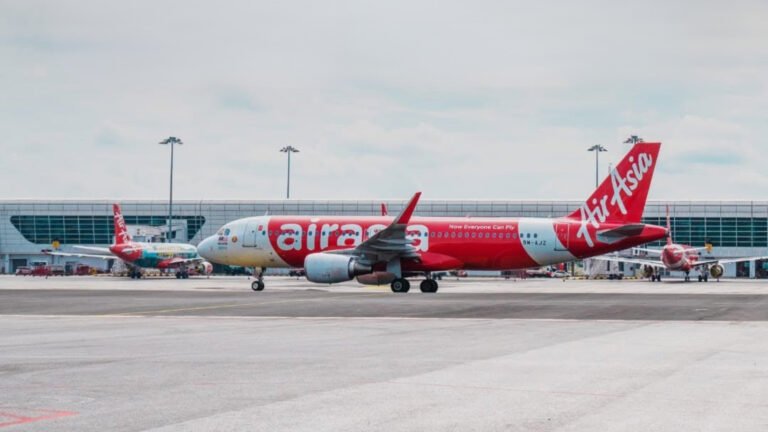
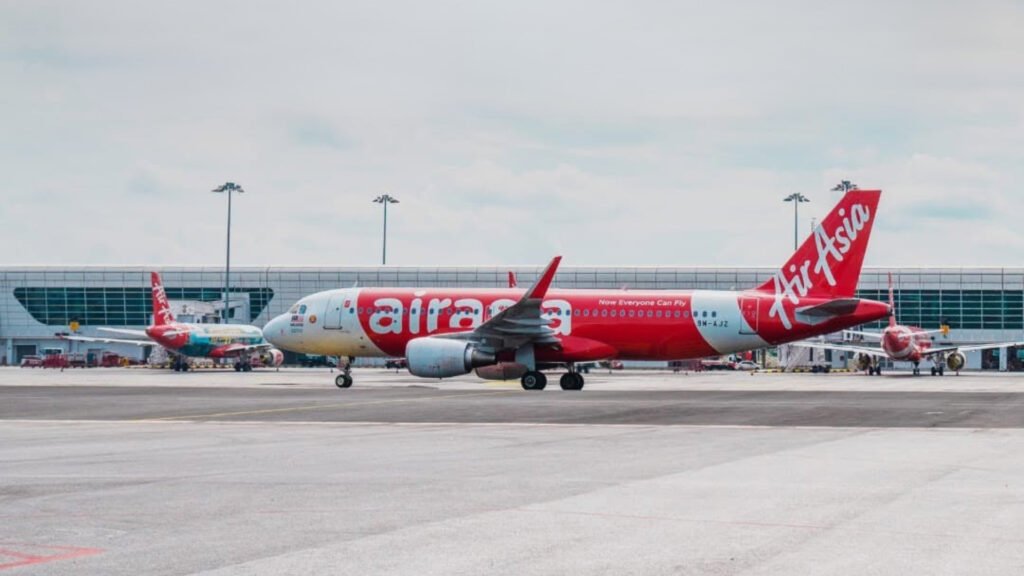
Image: AirAsia

Sepang, Malaysia: AirAsia Group Berhad reported RM4.7 billion (US$1.14 billion) in revenue for the third quarter of 2026, with its net loss narrowing 54% quarter-on-quarter to RM381.3 million (US$92.60 million), as higher fares, capacity rationalisation and cost-control measures helped offset elevated aviation fuel prices.

In its financial results announcement published on 23 November 2026, the Group reported that revenue for the quarter ended 30 September 2026 declined 11% year-on-year, despite a 26% reduction in Available Seat Kilometres (ASK). The company attributed the performance to its focus on maintaining fare levels and prioritising profitable routes during the traditionally weaker seasonal period for regional aviation, which coincided with monsoon conditions in markets including Thailand and the Philippines.

The Group’s pricing strategy contributed to a 20% year-on-year increase in Revenue per Available Seat Kilometre (RASK), which reached 22.50 sen. Average fares rose 23% to RM305 (US$74.07) from RM251 (US$60.96), while the passenger load factor remained at 80% across its network, indicating sustained demand despite higher ticket prices.

AirAsia Group said it had adjusted capacity during non-peak periods while concentrating on stronger-performing fifth-freedom routes. Its short-haul operations in Malaysia and Cambodia maintained profitability, with Malaysia benefiting from strong Chinese demand on key routes in East Malaysia. Meanwhile, operations in Indonesia and the Philippines recorded narrower losses compared with the second quarter of 2026, supported by seasonal domestic demand and earlier fleet and network restructuring.

The Group recorded earnings before interest, taxes, depreciation and amortisation (EBITDA) of RM629.4 million (US$152.86 million) during the third quarter, down 43% year-on-year but up 42% from RM442.6 million (US$107.49 million) in the second quarter of 2026. The improvement was supported by a 13% quarter-on-quarter reduction in operating expenses.

Average jet fuel prices stood at US$152 per barrel, compared with a peak of US$183 per barrel in the preceding quarter. Despite the elevated fuel costs, AirAsia Group said it recovered approximately 75% of the additional fuel cost burden through fare adjustments, fuel surcharges, capacity optimisation and tighter control of non-fuel expenditure.

The company’s headline results also highlighted an 18% reduction in non-fuel costs through disciplined cost management and capacity rationalisation. Net loss narrowed to RM381.3 million (US$92.60 million), representing a 54% improvement from the preceding quarter, although foreign exchange volatility continued to affect the results. The Group recorded a foreign exchange loss of RM141.9 million (US$34.46 million). Excluding this impact, its net loss would have stood at RM239.4 million (US$58.14 million).

Commenting on the results, AirAsia Group Chief Executive Officer Bo Lingam said the third-quarter performance indicated that the worst of the external challenges could be behind the company.

He attributed the improvement to reducing unviable capacity, maintaining fare discipline and concentrating on routes with stronger commercial potential. He also pointed to geopolitical uncertainties encouraging travellers to favour shorter-haul, intra-ASEAN journeys, where the Group believes its network provides a competitive advantage.

Lingam described the restructuring strategy as an effort to “shrink to grow stronger”, involving the removal of unprofitable routes, the return of older aircraft and a broader renewal of the Group’s fleet portfolio.

The Group has an orderbook of 500 aircraft and has already returned eight older aircraft during 2026 under what it described as favourable terms aligned with its restructuring objectives. It is targeting 25 aircraft redeliveries for the full year, a move expected to reduce fixed leasing and maintenance costs over the longer term.

AirAsia Group is also accelerating the transition on selected regional routes from widebody aircraft to next-generation narrowbody aircraft, including the Airbus A321XLR. It is preparing for the Airbus A220 to replace older Airbus A320ceo aircraft as part of its fleet renewal plans.

Looking ahead, the Group expects the fourth quarter of 2026 to benefit from the year-end holiday travel season, although average quarterly fuel costs are still expected to remain higher sequentially than in the third quarter, despite recent easing in global jet fuel prices.

AirAsia Group plans to move away from defensive capacity reductions towards targeted growth, increasing capacity across core domestic corridors and high-density international routes where forward bookings support higher operating costs.

The strategy also includes resuming seasonal services on established routes and shifting selected regional long-haul operations to narrowbody aircraft where aircraft size and operating economics are more favourable. The Group said routes that remain unprofitable will continue to be suspended until market conditions and unit economics justify their reinstatement.

The company expects fourth-quarter passenger load factors to increase towards peak-season levels, supported by firm base fares and targeted promotions on selected routes. It is also targeting a double-digit improvement in Revenue per Available Seat Kilometre (RASK).

However, Lingam acknowledged that aircraft-on-ground recoveries and one-off engine maintenance rectifications continue to create near-term operational pressures. The Group intends to maintain strict non-fuel cost controls while expanding higher-margin ancillary revenue.

AirAsia Group identified the preservation of operational cash flow through disciplined working capital management as its primary financial priority.

The company is continuing capital management and funding initiatives, including engagement with local and international financial institutions. It is also progressing liquidity-enhancement measures and restructuring discussions with key creditors to strengthen its financial position heading into 2027.

Lingam said the Group would continue to focus on improving its financial position while pursuing its fleet and network restructuring programme.

Overall, the third-quarter results reflect a business prioritising profitability and yield improvement over capacity expansion, with the Group preparing to increase operations selectively during the year-end travel peak while continuing to address fuel costs, aircraft availability and liquidity requirements.


Leave a Comment

Subscribe to our Newsletter

Recent News

Aviation Today Perspectives