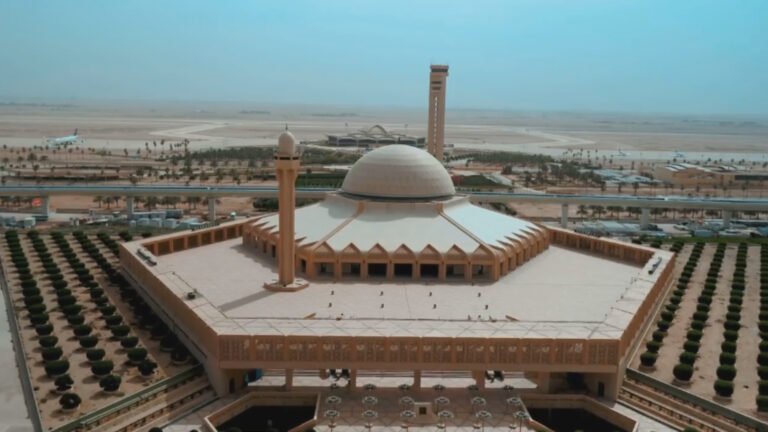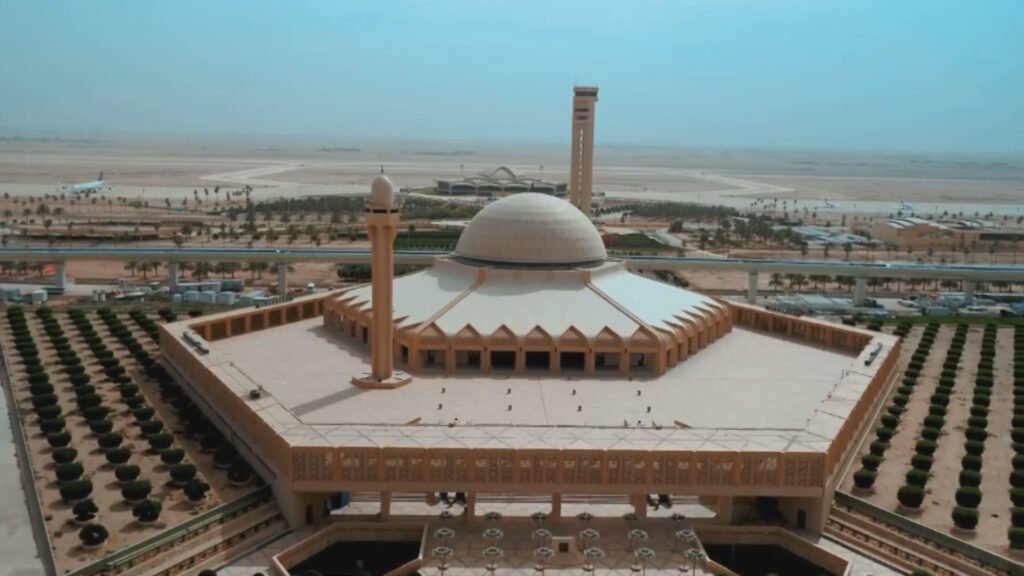
Riyadh, Saudi Arabia: Saudi Arabia is investigating how its air-defence systems failed to stop a Houthi missile and drone barrage that struck Riyadh’s King Khalid International Airport, killing at least 13 people and injuring more than 300, as the airport remains closed until October 17 and international airlines continue to suspend flights to the kingdom.
The investigation follows a series of attacks by Yemen’s Iran-aligned Houthi rebels on Saudi aviation facilities since October 6. The most serious strike came on October 10, when a Houthi barrage hit King Khalid International Airport in Riyadh. Saudi authorities initially reported 12 deaths and 309 injuries, while later media reports put the death toll to at least 13. The attack was followed on October 11 by another projectile striking the airport’s passenger terminal, killing a Pakistani resident and injuring 11 others.
The October 10 victims included Saudi citizens and foreign nationals from Bangladesh, the US, Jordan, Palestine, Syria, Sudan and Egypt. The attack caused extensive disruption at Saudi Arabia’s second-busiest airport after Jeddah, forcing authorities to suspend operations while damage and security conditions were assessed.
Two regional officials told Associated Press that Saudi Arabia has opened an investigation into why its air-defence network failed to intercept the barrage. The preliminary assessment indicates that the Houthis first launched multiple drones before following them with a combination of cruise and ballistic missiles.
The officials said the weapons travelled more than 1,000 kilometres from Yemen to Riyadh. The investigation is also examining why Saudi defence systems did not provide an earlier warning. Houthi ballistic missiles with advanced manoeuvring capabilities are considered a particular challenge for Patriot interceptors and other systems used by Saudi Arabia.
Saudi forces have nevertheless reported multiple successful interceptions during the wider attacks. On October 12, the Saudi-led coalition said it intercepted and destroyed ballistic missiles launched towards Riyadh, while the Houthis claimed responsibility for another attack on King Khalid International Airport.
The Houthis have also warned international airlines to avoid Saudi airports and airspace, except those serving the Muslim holy cities of Mecca and Medina.
Saudi Energy Minister Prince Abdul Aziz bin Salman, speaking at the World Petroleum Energy Congress in Riyadh on October 12, said: “The events of recent weeks are serious. Our response must be equally serious.”
The Saudi-led coalition described the October 10 attack as a “full-fledged war crime” and said it would “respond decisively to this terrorist attack in accordance with the Customary International Humanitarian Law.”
Saudi Arabia, Egypt, Pakistan and Türkiye separately condemned the attacks in a joint statement, describing them as a “dangerous escalation that cannot be justified or accepted under any pretext” and holding the Houthis fully responsible for the consequences of the attacks.
Series of attacks across Saudi airports:
The October 10 attack followed several earlier strikes on Saudi airports. On October 6 and 7, Houthi attacks targeted Abha International Airport and King Khalid International Airport. Saudi Arabia said three civilians were killed and 36 injured. Two women, one Moroccan and one Algerian, were killed in the Abha attack, while a Sudanese national was killed in the Riyadh strike.
On October 8, Houthi attacks again targeted Riyadh. A Saudi aircraft was damaged by shrapnel from an intercepted missile, while the Houthis also claimed attacks against Najran airport and an airbase at Khamis Mushait. Saudi authorities later confirmed three Saudi nationals were killed in attacks on King Khalid Airport, including Saudi Captain Hamoud Ali Al-Kalthami.
A projectile was also reported near King Fahd International Airport in Dammam. Saudi Arabia confirmed the incident but did not describe it as a direct terminal strike.
The attacks have therefore affected aviation facilities in Riyadh, Abha, Jazan and Najran, while Dammam’s airport has also been affected by a projectile landing in its vicinity. The scale of the attacks has prompted growing concern over the safety of Saudi airspace and commercial aviation.
Saudi Arabia’s General Authority of Civil Aviation extended the suspension of operations at King Khalid International Airport until 2100 GMT on October 17, 2026.
The authority said the extension was required to complete procedures to verify the safety of airport facilities and their operational readiness. The airport normally handles nearly 700 flights a day, making the closure a major disruption to domestic and international aviation.
The impact was immediate. Cirium data showed that 99.7% of scheduled flights at Riyadh airport were cancelled on October 11. Reuters said around 60% of scheduled flights across Saudi airports were expected to be cancelled on October 12, while overall disruption across the kingdom reached 46.4% of flights.
Flights to other Saudi airports, including Jeddah, Dammam and Abha, have also been affected, although Riyadh remains the principal airport closure.
The security situation has triggered a growing list of airline suspensions and schedule changes. Lufthansa Group cancelled Riyadh flights through October 16, while Air France-KLM extended its suspension of services to and from Riyadh through the end of October. Etihad Airways suspended flights to Saudi Arabia through October 13.
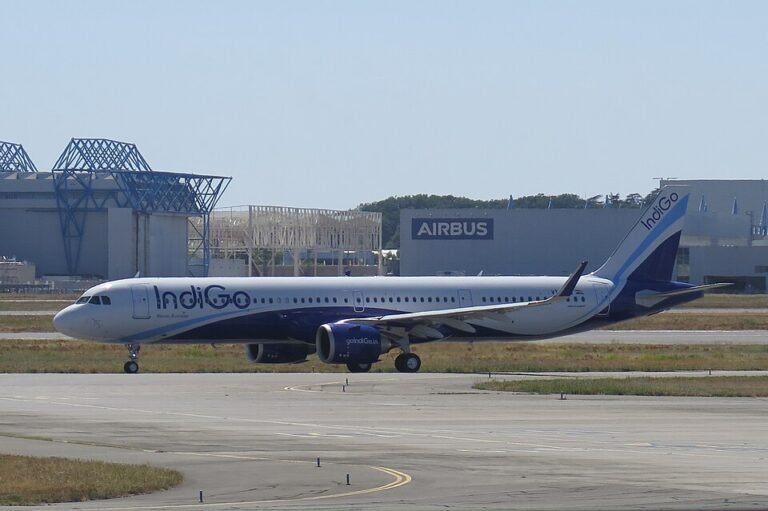
Indian carriers have also been affected. IndiGo extended cancellations on Riyadh and Dammam routes through October 15, while Air India suspended Riyadh flights through October 15. Akasa Air suspended services to Riyadh and Jeddah through October 13.
Philippine Airlines extended its Riyadh suspension through November 29, while Bahrain-based Gulf Air cancelled flights to and from Riyadh from October 12 through October 17. Cathay Pacific postponed the resumption of its Hong Kong-Riyadh and Hong Kong-Dubai services until January 31, 2027. Delta Air Lines also delayed its planned Atlanta-Riyadh service until March 2027.
The airport attacks have come as fighting between Saudi-backed Yemeni government forces and the Houthis has intensified along Yemen’s western coast. The renewed conflict is also unfolding against the backdrop of the wider US-Iran war, increasing the risk of further attacks on Gulf aviation, energy infrastructure and shipping routes.
The Houthis have threatened further attacks against Saudi aviation and infrastructure, while Saudi Arabia has intensified military operations against Houthi-held areas in Yemen. Iran has offered to mediate between Riyadh and the Houthis, while the UAE has called for a coordinated Gulf response to the wider threat.