News
Civil Aviation
Pilot Training
Flight School Analysis
Aviation Jobs
Training
Services
About Us
Contact Us

260 Lives Lost, One Survivor: Air India AI171 Final Report Still Awaited A Year Later

Picture of Aviation Today News Desk

Aviation Today News Desk

260 Lives Lost, One Survivor: Air India AI171 Final Report Still Awaited A Year Later SEO DES: Air India Flight AI171 crashed shortly after takeoff from Ahmedabad on June 12, 2025, killing 241 of 242 people onboard and 19 people on the ground SOCIAL: One year after the Air India Flight 171 crash killed 260 people, families, survivors and aviation officials continue to await answers as the final investigation report remains pending. Air India employees observed a two-minute silence, while families held memorials and prayer services to honor the victims. The final report was expected around the first anniversary, but investigators have delayed its release due to ongoing examination of the aircraft's GEnx engines in France and the United States. Under ICAO rules, an interim update may be issued while the investigation continues. The preliminary report revealed that both engine fuel control switches moved from RUN to CUTOFF seconds after takeoff, causing a loss of thrust. While investigators found no evidence of bird strikes or major mechanical failures, the reason behind the fuel switch movement remains the central unanswered question in the crash probe. Ahmedabad, India: One year after the crash of Air India Flight AI171 claimed 260 lives in what became the deadliest aviation accident, families, survivors, aviation professionals and investigators continue to await definitive answers about the tragedy that unfolded moments after takeoff from Ahmedabad on June 12, 2025. The anniversary, however, arrived without the final accident investigation report that many had expected. Last month, Civil Aviation Minister Ram Mohan Naidu indicated that the investigation findings could be available around the first anniversary of the accident. Air India employees observed a two-minute silence in memory of the 260 victims, while memorial gatherings and prayer services were organized by families and loved ones in Ahmedabad and other locations. Relatives gathered near the crash site to pay floral tributes, light candles and offer prayers for those who lost their lives. Meanwhile, U.S. transportation officials involved in supporting the investigation also acknowledged the anniversary, paying tribute to the victims and reaffirming their commitment to assisting the ongoing inquiry. The commemorations served as a solemn reminder of the human toll of the disaster as families continue to await the final findings of the investigation. British High Commissioner Lindy Cameron visited the AI171 crash site in Ahmedabad on the first anniversary of the disaster and paid floral tributes to the 260 victims. Cameron, who had travelled to Ahmedabad immediately after the June 12, 2025 crash, said she was there to remember the victims and stand with their families. In a message marking the anniversary, she recalled that 52 British nationals were among those killed and expressed solidarity with all those affected by the tragedy. According to Reuters, investigators have been unable to complete the final report because critical examination of the aircraft's GE Aerospace GEnx engines remains ongoing. The engines have undergone testing and analysis in multiple countries, including France and the United States, where specialized facilities are conducting detailed examinations of engine components and the engine management system. Sources familiar with the investigation indicated that the complexity of the technical analysis has prevented investigators from completing the final report within the one-year timeframe typically envisioned under international accident investigation standards. Under International Civil Aviation Organization (ICAO) guidelines, accident investigation authorities are expected to publish a final report within one year whenever possible. If the investigation remains incomplete, authorities are required to issue an interim statement outlining the status of the investigation. Air India Flight AI171 departed Ahmedabad for London Gatwick on June 12, 2025, carrying 242 passengers and crew aboard a Boeing 787-8 Dreamliner. Just seconds after takeoff, the aircraft lost power and crashed into the BJ Medical College hostel complex in Ahmedabad. The accident killed 241 of the 242 occupants on board and 19 people on the ground, bringing the total death toll to 260. One passenger survived. The crash marked the first fatal hull loss involving the Boeing 787 Dreamliner since the aircraft entered commercial service in 2011. Although investigators have yet to release their final conclusions, the AAIB's preliminary report, published in July 2025, provided the first detailed look into the sequence of events leading to the crash. According to flight recorder data, both engine fuel control switches moved from the RUN position to the CUTOFF position within seconds of takeoff. The switches reportedly moved approximately one second apart, cutting fuel supply to both engines and causing an immediate loss of thrust. The report stated that the movement occurred roughly three seconds after liftoff. Cockpit voice recorder data added further mystery to the event. Investigators reported that one pilot was heard asking the other why the fuel had been cut off, while the second pilot responded that he had not done so. The preliminary report did not identify which pilot made either statement. The sudden loss of power triggered deployment of the aircraft's Ram Air Turbine (RAT), an emergency device that automatically deploys when primary electrical and hydraulic power sources become unavailable. Flight data also showed that the fuel control switches were subsequently moved back to the RUN position and that both engines initiated automatic relight procedures. One engine reportedly showed signs of recovery, while the second was still attempting to regain power before the aircraft impacted the ground. The crew issued a mayday call shortly before the crash. Investigators also found no evidence of significant bird activity in the aircraft's flight path, eliminating early speculation that a bird strike may have caused the accident. The aircraft's flap configuration was found to be appropriate for takeoff, and the preliminary report did not identify any immediate mechanical failure involving either the Boeing 787 airframe or its engines. Notably, investigators did not issue safety recommendations to Boeing, GE Aerospace or Dreamliner operators following publication of the preliminary findings. The preliminary report documented the switch movement but did not determine how or why it occurred. The early assessments by some U.S. officials considered the possibility that the fuel supply may have been intentionally interrupted from the cockpit. However, Indian investigators have repeatedly emphasized that it is too early to reach definitive conclusions regarding pilot actions. The father of Captain Sumeet Sabharwal has publicly rejected suggestions that the veteran pilot deliberately caused the crash and has sought an independent investigation exploring alternative explanations. Meanwhile, the Federation of Indian Pilots has urged investigators to obtain additional technical data from Boeing and Air India before reaching conclusions regarding cockpit actions. The pilots' body recently opposed publication of an interim report, arguing that more technical evidence should be gathered before public conclusions are drawn.
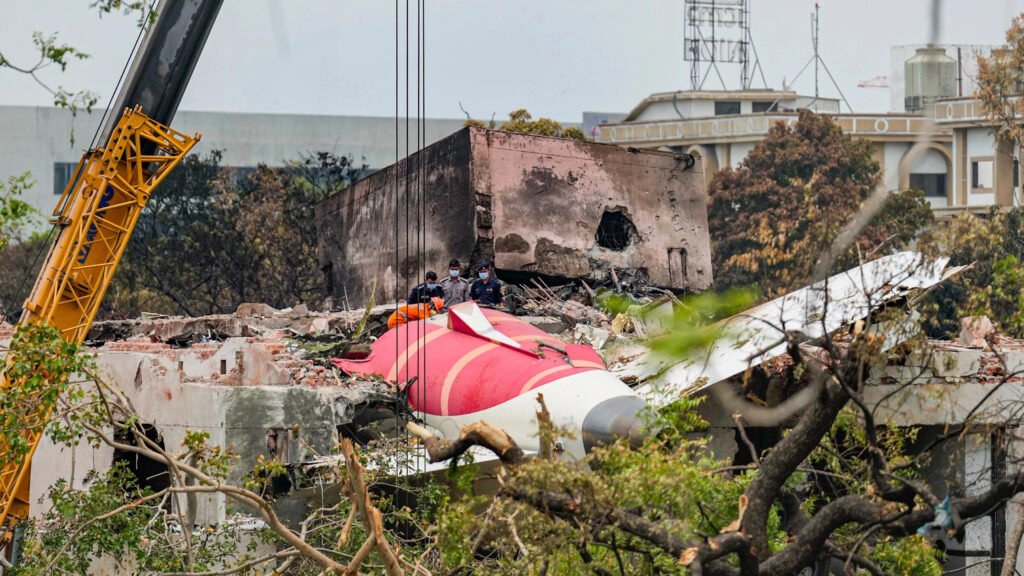
Image: TRT World

Ahmedabad, India: One year after the crash of Air India Flight AI171 claimed 260 lives in what became the deadliest aviation accident, families, survivors, aviation professionals and investigators continue to await definitive answers about the tragedy that unfolded moments after takeoff from Ahmedabad on June 12, 2025.

The anniversary, however, arrived without the final accident investigation report that many had expected.

Last month, Civil Aviation Minister Ram Mohan Naidu indicated that the investigation findings could be available around the first anniversary of the accident. 

Air India employees observed a two-minute silence in memory of the 260 victims, while memorial gatherings and prayer services were organized by families and loved ones in Ahmedabad and other locations. Relatives gathered near the crash site to pay floral tributes, light candles and offer prayers for those who lost their lives. 

Meanwhile, U.S. transportation officials involved in supporting the investigation also acknowledged the anniversary, paying tribute to the victims and reaffirming their commitment to assisting the ongoing inquiry. The commemorations served as a solemn reminder of the human toll of the disaster as families continue to await the final findings of the investigation. 

British High Commissioner Lindy Cameron visited the AI171 crash site in Ahmedabad on the first anniversary of the disaster and paid floral tributes to the 260 victims. Cameron, who had travelled to Ahmedabad immediately after the June 12, 2025 crash, said she was there to remember the victims and stand with their families. In a message marking the anniversary, she recalled that 52 British nationals were among those killed and expressed solidarity with all those affected by the tragedy. 

According to Reuters, investigators have been unable to complete the final report because critical examination of the aircraft’s GE Aerospace GEnx engines remains ongoing. The engines have undergone testing and analysis in multiple countries, including France and the United States, where specialized facilities are conducting detailed examinations of engine components and the engine management system. Sources familiar with the investigation indicated that the complexity of the technical analysis has prevented investigators from completing the final report within the one-year timeframe typically envisioned under international accident investigation standards.

Under International Civil Aviation Organization (ICAO) guidelines, accident investigation authorities are expected to publish a final report within one year whenever possible. If the investigation remains incomplete, authorities are required to issue an interim statement outlining the status of the investigation.

Air India Flight AI171 departed Ahmedabad for London Gatwick on June 12, 2025, carrying 242 passengers and crew aboard a Boeing 787-8 Dreamliner.

Just seconds after takeoff, the aircraft lost power and crashed into the BJ Medical College hostel complex in Ahmedabad.

The accident killed 241 of the 242 occupants on board and 19 people on the ground, bringing the total death toll to 260. One passenger survived.

The crash marked the first fatal hull loss involving the Boeing 787 Dreamliner since the aircraft entered commercial service in 2011.

Although investigators have yet to release their final conclusions, the AAIB’s preliminary report, published in July 2025, provided the first detailed look into the sequence of events leading to the crash.

According to flight recorder data, both engine fuel control switches moved from the RUN position to the CUTOFF position within seconds of takeoff. The switches reportedly moved approximately one second apart, cutting fuel supply to both engines and causing an immediate loss of thrust.

The report stated that the movement occurred roughly three seconds after liftoff. Cockpit voice recorder data added further mystery to the event.

Investigators reported that one pilot was heard asking the other why the fuel had been cut off, while the second pilot responded that he had not done so. The preliminary report did not identify which pilot made either statement.

The sudden loss of power triggered deployment of the aircraft’s Ram Air Turbine (RAT), an emergency device that automatically deploys when primary electrical and hydraulic power sources become unavailable.

Flight data also showed that the fuel control switches were subsequently moved back to the RUN position and that both engines initiated automatic relight procedures.

One engine reportedly showed signs of recovery, while the second was still attempting to regain power before the aircraft impacted the ground. The crew issued a mayday call shortly before the crash.

Investigators also found no evidence of significant bird activity in the aircraft’s flight path, eliminating early speculation that a bird strike may have caused the accident.

The aircraft’s flap configuration was found to be appropriate for takeoff, and the preliminary report did not identify any immediate mechanical failure involving either the Boeing 787 airframe or its engines.

Notably, investigators did not issue safety recommendations to Boeing, GE Aerospace or Dreamliner operators following publication of the preliminary findings.

The preliminary report documented the switch movement but did not determine how or why it occurred.

The early assessments by some U.S. officials considered the possibility that the fuel supply may have been intentionally interrupted from the cockpit. However, Indian investigators have repeatedly emphasized that it is too early to reach definitive conclusions regarding pilot actions.

The father of Captain Sumeet Sabharwal has publicly rejected suggestions that the veteran pilot deliberately caused the crash and has sought an independent investigation exploring alternative explanations.

Meanwhile, the Federation of Indian Pilots has urged investigators to obtain additional technical data from Boeing and Air India before reaching conclusions regarding cockpit actions. The pilots’ body recently opposed publication of an interim report, arguing that more technical evidence should be gathered before public conclusions are drawn.

Leave a Comment

Subscribe to our Newsletter

Recent News