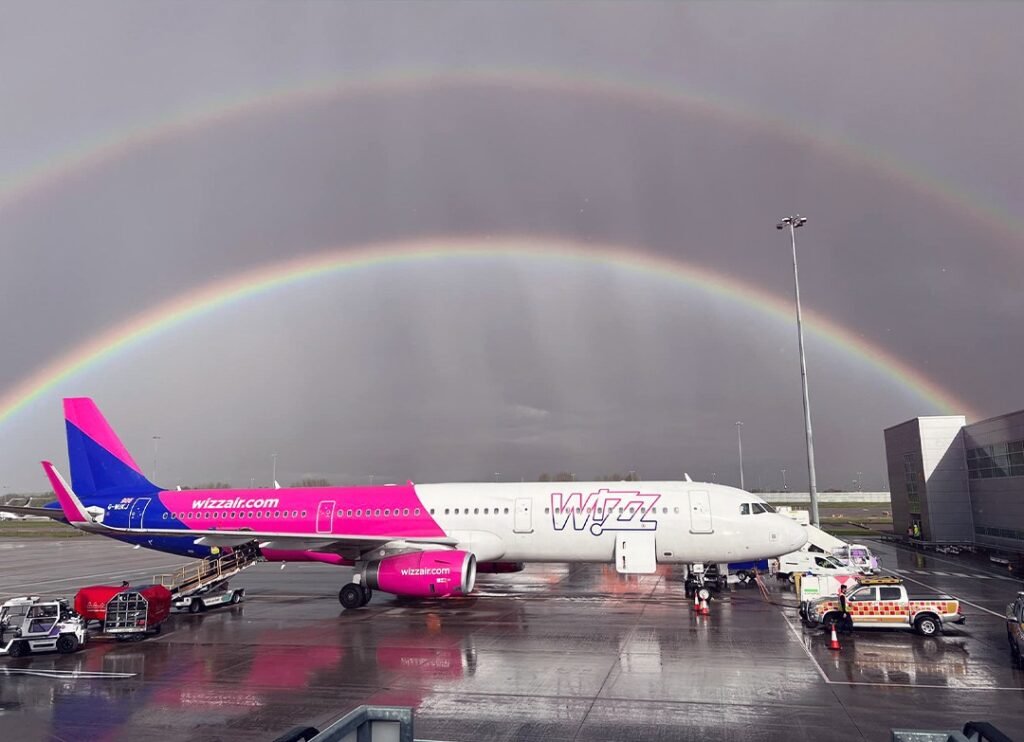
Belgrade, Serbia: Low-cost carrier Wizz Air has launched an unprecedented public attack on Serbian authorities, alleging that newly adopted aviation regulations are designed to force the airline to shut down its Belgrade base from November 2026, a move it says would violate European aviation agreements, reduce competition, and threaten jobs.
In a strongly worded statement released on June 3, Wizz Air claimed that Serbian authorities are attempting to introduce measures that would effectively prevent foreign airlines from maintaining base operations in the country unless they are Serbian operators. The airline argues that the changes amount to a protectionist policy intended to shield state-backed national carrier Air Serbia from competition.
According to Wizz Air, the proposed measures would make it impossible for the airline to continue operating its Belgrade base under its current business model despite having maintained a presence in Serbia for more than 15 years.
The airline said it has invested hundreds of millions of euros in Serbia since launching operations in 2010 and has carried more than 14 million passengers to and from the country. Wizz Air currently operates 29 routes linking Belgrade with 26 destinations across 10 countries and maintains one of the largest low-cost carrier networks in the Serbian market.
Wizz Air warned that the closure of its Belgrade base would result in the loss of more than 150 direct jobs while also impacting thousands of positions indirectly supported through tourism, hospitality, airport services, and related sectors.
The carrier further argued that Serbian travelers would face fewer direct flight options, reduced connectivity, diminished consumer choice, and potentially higher airfares if the measures are implemented.
“The measures they plan to use against Wizz Air are illegal,” the airline’s Chief Corporate Officer, Owain Jones, said in comments accompanying the statement. He accused Serbian authorities of engaging in discriminatory practices and called for the preservation of fair and transparent market conditions for all airlines operating in the country.
Central to Wizz Air’s argument is the European Common Aviation Area (ECAA) Agreement, often referred to as the “Open Skies” framework, which provides participating countries and airlines with market access rights and seeks to ensure fair competition across European aviation markets.
The airline contends that the Serbian government’s actions represent a direct breach of the country’s obligations under the ECAA Agreement and undermine principles designed to foster competition and connectivity within Europe.
Wizz Air has urged Serbian authorities to withdraw the measures and has called on European institutions to intervene. The carrier said it expects Serbia, as an EU candidate country and signatory to international aviation agreements, to uphold its commitments and ensure equal treatment for all operators.
The dispute comes at a time of intensifying competition between Wizz Air and Air Serbia at Belgrade Nikola Tesla Airport. Over the past year, both airlines have expanded their networks and increasingly launched competing services on several routes from the Serbian capital.
Serbian authorities, however, have rejected Wizz Air’s allegations. The Civil Aviation Directorate of the Republic of Serbia has stated that the newly adopted rulebook does not revoke any airline’s traffic rights and applies equally to all carriers operating in the country. Officials maintain that the changes are regulatory in nature and do not prevent foreign airlines from serving Serbia or opening new routes in accordance with existing international agreements.
Despite those assurances, questions remain over whether foreign carriers will be able to continue maintaining aircraft bases in Serbia under the revised framework. For now, Wizz Air says it remains committed to its Serbian operations and passengers but warns that unless the measures are reversed, its Belgrade base could face closure later this year, potentially reshaping the competitive landscape at one of the Balkans’ fastest-growing aviation hubs.