News
Civil Aviation
Pilot Training
Flight School Analysis
Aviation Jobs
Training
Services
About Us
Contact Us

India Sees 11 Airline Exits Since 2016 Amid Financial Stress, Structural Challenges

Picture of Aviation Today News Desk

Aviation Today News Desk

India Sees 11 Airline Exits Since 2016 Amid Financial Stress, Structural Challenges SEO DES: High costs, volatile fuel prices, and intense competition continue to strain profitability despite rising passenger demand in the recent years SOCIAL: India’s aviation sector has seen 11 airlines exit since 2016 due to financial stress, operational issues, and aircraft constraints, the Ministry of Civil Aviation told Parliament. The government said airlines operate in a deregulated market where survival depends on commercial viability, while it focuses on infrastructure growth and policy support like the UDAN scheme. High costs, volatile fuel prices, and intense competition continue to strain profitability despite strong passenger growth. The Airports Authority of India reported major dues from Kingfisher Airlines, while Jet Airways and Go First have cleared dues. Even as the market grows rapidly, consolidation led by Air India reflects a shift toward stronger, scalable carriers, though long-term financial sustainability remains a concern. Image: Aktug Ates (Wikimedia) Video: GO FIRST , TruJet New Delhi, India: At least 11 airlines have exited India’s aviation sector since 2016, the government informed Parliament, focusing on the persistent financial and operational challenges despite strong passenger growth in one of the world’s fastest-expanding aviation markets. In a written reply in the Rajya Sabha, the Ministry of Civil Aviation (MoCA) said the closures were primarily driven by financial stress, internal management issues and constraints related to aircraft availability. The ministry emphasised that airlines operate in a deregulated environment, where commercial viability determines survival, and the government does not intervene in individual business decisions. Instead, it focuses on policy-level support. This includes expanding airport infrastructure, rationalising traffic rights, helping airlines add more aircraft, and boosting regional connectivity through the UDAN Scheme. The statement emphasizes the structural pressures facing Indian carriers, including high operating costs, volatile fuel prices and intense fare competition in a price-sensitive market. While demand has surged in recent years, profitability has remained elusive for many operators, resulting in repeated business failures and market exits. The government also disclosed details of outstanding dues owed by defunct airlines to the Airports Authority of India (AAI). Kingfisher Airlines accounts for the largest liability, with dues amounting to ₹380.51 crore, including interest. In contrast, TruJet has minimal outstanding dues of around ₹0.03 crore. The ministry added that airlines such as Jet Airways and Go First currently have no pending dues to AAI. Recovery proceedings in certain cases remain ongoing through legal channels. Alongside these exits, the sector has undergone significant consolidation. The Tata Group-led restructuring of Air India has included the integration of AirAsia India into Air India Express, while Vistara being merged with Air India. These developments reflect a broader shift toward scale and efficiency as stronger carriers absorb weaker entities. Despite the exits, India continues to rank among the fastest-growing aviation markets globally, supported by rising passenger demand and expanding airport infrastructure. However, the contrast between growth and financial sustainability remains a key concern, with airlines navigating thin margins and high cost structures. The government reiterated that its role is focused on policy support and infrastructure development, including airport expansion and regional connectivity initiatives, while the long-term success of airlines depends on sound financial management and operational resilience.

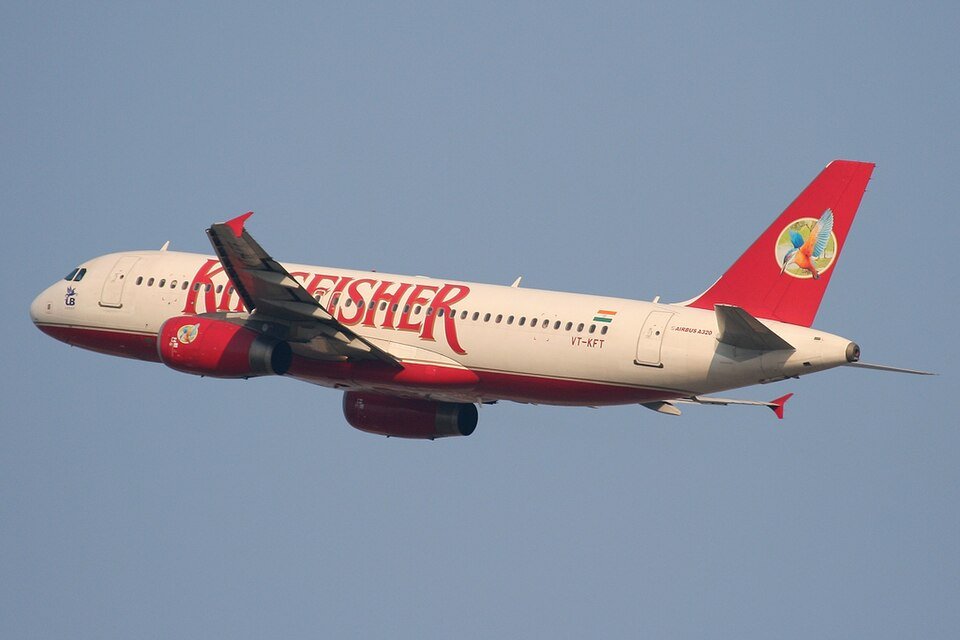
Image: Aktug Ates (Wikimedia)

New Delhi, India: At least 11 airlines have exited India’s aviation sector since 2016, the government informed Parliament, focusing on the persistent financial and operational challenges despite strong passenger growth in one of the world’s fastest-expanding aviation markets.

In a written reply in the Rajya Sabha, the Ministry of Civil Aviation (MoCA) said the closures were primarily driven by financial stress, internal management issues and constraints related to aircraft availability. The ministry emphasised that airlines operate in a deregulated environment, where commercial viability determines survival, and the government does not intervene in individual business decisions. Instead, it focuses on policy-level support. This includes expanding airport infrastructure, rationalising traffic rights, helping airlines add more aircraft, and boosting regional connectivity through the UDAN Scheme.

The statement emphasizes the structural pressures facing Indian carriers, including high operating costs, volatile fuel prices and intense fare competition in a price-sensitive market. While demand has surged in recent years, profitability has remained elusive for many operators, resulting in repeated business failures and market exits.

The government also disclosed details of outstanding dues owed by defunct airlines to the Airports Authority of India (AAI). Kingfisher Airlines accounts for the largest liability, with dues amounting to ₹380.51 crore, including interest. In contrast, TruJet has minimal outstanding dues of around ₹0.03 crore. The ministry added that airlines such as Jet Airways and Go First currently have no pending dues to AAI. Recovery proceedings in certain cases remain ongoing through legal channels.

Alongside these exits, the sector has undergone significant consolidation. The Tata Group-led restructuring of Air India has included the integration of AirAsia India into Air India Express, while Vistara being merged with Air India. These developments reflect a broader shift toward scale and efficiency as stronger carriers absorb weaker entities.

Despite the exits, India continues to rank among the fastest-growing aviation markets globally, supported by rising passenger demand and expanding airport infrastructure. However, the contrast between growth and financial sustainability remains a key concern, with airlines navigating thin margins and high cost structures.

The government reiterated that its role is focused on policy support and infrastructure development, including airport expansion and regional connectivity initiatives, while the long-term success of airlines depends on sound financial management and operational resilience.

Leave a Comment

Subscribe to our Newsletter

Recent News