News
Civil Aviation
Pilot Training
Flight School Analysis
Aviation Jobs
Training
Services
About Us
Contact Us

NTSB Blames ATC Failure to Warn United Airlines Crew Of Turbulence Before Incident

Picture of Aviation Today News Desk

Aviation Today News Desk

Kelsey, United States: The National Transportation Safety Board (NTSB) has released its final investigation report into the severe turbulence incident involving United Airlines Flight 1890, concluding that air traffic control failed to disseminate a critical pilot weather report that could have reduced the severity of the event. The Board said the aircraft encountered an unanticipated region of moderate-to-severe turbulence during descent into Newark Liberty International Airport, resulting in serious injuries to three flight attendants, while 277 other occupants were not injured. The incident occurred on February 10, 2024, when a Boeing 777-222ER, registered N788UA, was operating a scheduled domestic service from Los Angeles International Airport to Newark under Part 121 operations. While descending through approximately 21,500 feet (FL215) in instrument meteorological conditions, the aircraft encountered a localized pocket of turbulence that produced rapid vertical accelerations between 0.55 g and +1.82 g over several seconds. The sudden motion lifted unsecured crew members from the cabin floor and threw them into the ceiling and surrounding structures. Three flight attendants sustained serious injuries, including spinal fractures, a shattered femur, head trauma, and intracranial bleeding. Despite the injuries, the flight crew maintained control of the aircraft and continued to a safe landing at Newark, where emergency medical services met the aircraft at the gate. According to the report, the flight crew conducted standard preflight and in-flight turbulence assessments using Weather Services International (WSI) and SkyPath tools. Both systems showed only light to moderate turbulence along the planned route, and the onboard weather radar did not display any significant convective activity. Dispatch had advised the crew earlier in the flight that only one moderate turbulence report had been received from another regional jet descending into Newark, and no further warnings were issued as the aircraft approached the terminal area. Approximately three minutes before the incident, another aircraft, ACA548, reported moderate turbulence to Boston Air Route Traffic Control Center (ZBW ARTCC) while flying ahead of United 1890 on the same route near the Hancock VOR. That report was not acknowledged or passed on to the following aircraft. The NTSB determined that the probable cause of the accident was the aircraft’s encounter with a localized region of moderate-to-severe turbulence associated with strong upper-level wind shear and convective cloud tops. Contributing to the severity of the outcome, the Board found that air traffic control failed to disseminate the earlier pilot weather report, which reduced the flight crew’s situational awareness and limited their opportunity to seat cabin crew and secure the cabin before the encounter. Investigators stated that the controller handling the sector did not hear the initial turbulence report and therefore did not relay it, despite Federal Aviation Administration procedures requiring the solicitation and distribution of pilot weather reports during significant turbulence conditions. Meteorological analysis showed the presence of a cold front, embedded thunderstorms, and a strong jet stream with winds exceeding 110 knots near 21,000 feet, creating wind shear and clear-air turbulence at the tops of cloud layers. Satellite imagery and model data confirmed that turbulence conditions were present in the exact altitude band flown by the aircraft. The NTSB concluded that the flight crew followed proper procedures and used all available tools, but the most relevant real-time warning the pilot report issued minutes earlier was not provided to them, making the turbulence effectively unanticipated.
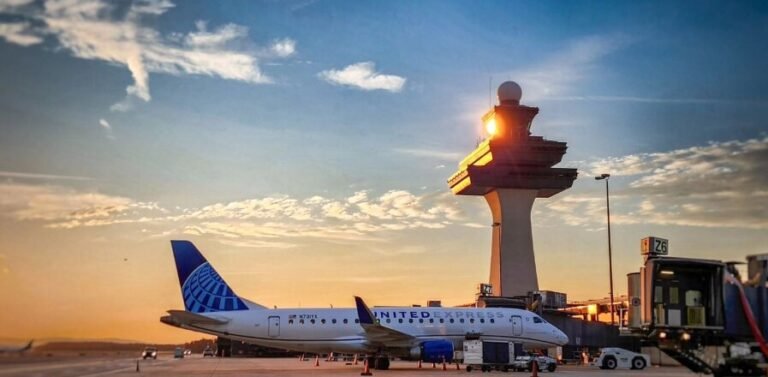
Image: Aero Icarus (Flickr)

Kelsey, United States: The National Transportation Safety Board (NTSB) has released its final investigation report into the severe turbulence incident involving United Airlines Flight 1890, concluding that air traffic control failed to disseminate a critical pilot weather report that could have reduced the severity of the event.

The Board said the aircraft encountered an unanticipated region of moderate-to-severe turbulence during descent into Newark Liberty International Airport, resulting in serious injuries to three flight attendants, while 277 other occupants were not injured.

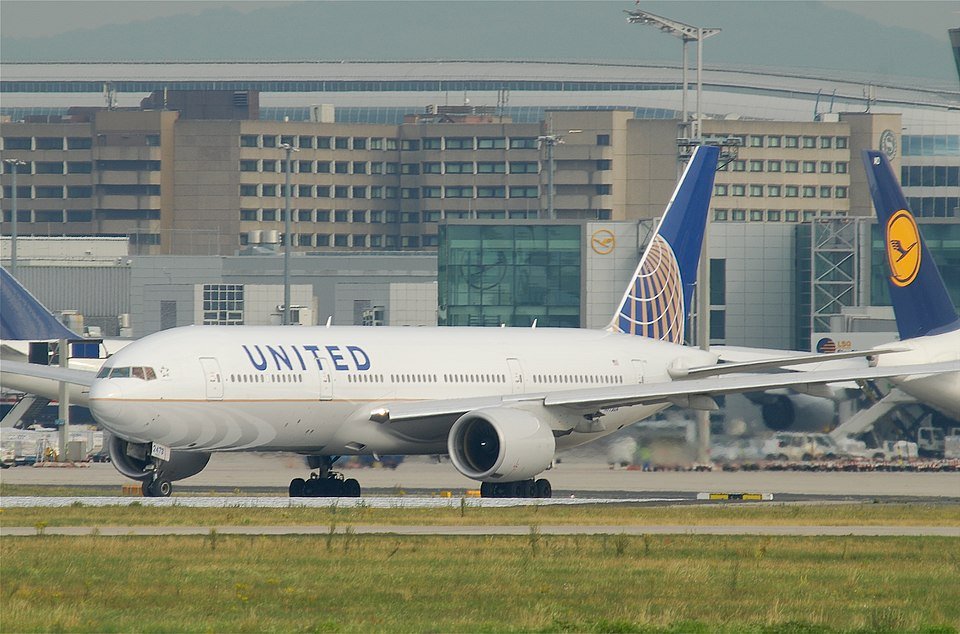
The incident occurred on February 10, 2024, when a Boeing 777-222ER, registered N788UA, was operating a scheduled domestic service from Los Angeles International Airport to Newark under Part 121 operations.

While descending through approximately 21,500 feet (FL215) in instrument meteorological conditions, the aircraft encountered a localized pocket of turbulence that produced rapid vertical accelerations between  0.55 g and +1.82 g over several seconds. The sudden motion lifted unsecured crew members from the cabin floor and threw them into the ceiling and surrounding structures.

Three flight attendants sustained serious injuries, including spinal fractures, a shattered femur, head trauma, and intracranial bleeding. Despite the injuries, the flight crew maintained control of the aircraft and continued to a safe landing at Newark, where emergency medical services met the aircraft at the gate.

According to the report, the flight crew conducted standard preflight and in-flight turbulence assessments using Weather Services International (WSI) and SkyPath tools. Both systems showed only light to moderate turbulence along the planned route, and the onboard weather radar did not display any significant convective activity.

Dispatch had advised the crew earlier in the flight that only one moderate turbulence report had been received from another regional jet descending into Newark, and no further warnings were issued as the aircraft approached the terminal area.

Approximately three minutes before the incident, another aircraft, ACA548, reported moderate turbulence to Boston Air Route Traffic Control Center (ZBW ARTCC) while flying ahead of United 1890 on the same route near the Hancock VOR. That report was not acknowledged or passed on to the following aircraft.

The NTSB determined that the probable cause of the accident was the aircraft’s encounter with a localized region of moderate-to-severe turbulence associated with strong upper-level wind shear and convective cloud tops.

Contributing to the severity of the outcome, the Board found that air traffic control failed to disseminate the earlier pilot weather report, which reduced the flight crew’s situational awareness and limited their opportunity to seat cabin crew and secure the cabin before the encounter.

Investigators stated that the controller handling the sector did not hear the initial turbulence report and therefore did not relay it, despite Federal Aviation Administration procedures requiring the solicitation and distribution of pilot weather reports during significant turbulence conditions.

Meteorological analysis showed the presence of a cold front, embedded thunderstorms, and a strong jet stream with winds exceeding 110 knots near 21,000 feet, creating wind shear and clear-air turbulence at the tops of cloud layers. Satellite imagery and model data confirmed that turbulence conditions were present in the exact altitude band flown by the aircraft.

The NTSB concluded that the flight crew followed proper procedures and used all available tools, but the most relevant real-time warning the pilot report issued minutes earlier was not provided to them, making the turbulence effectively unanticipated.

Leave a Comment

Subscribe to our Newsletter

Recent News

error: Unauthorized copying is not permitted