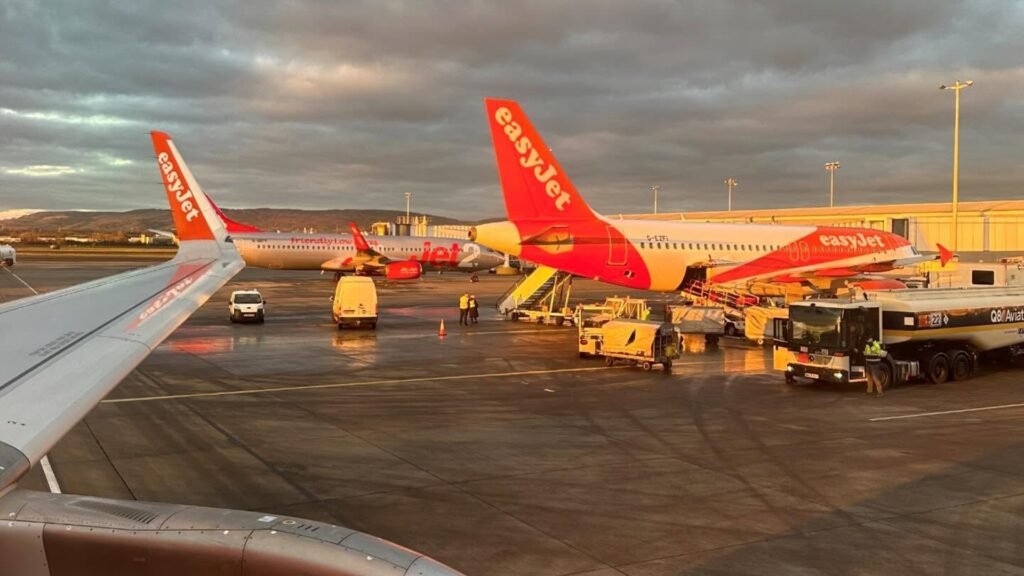
London, United Kingdom: Air travel across Europe faced widespread disruption on December 29, as operational strain during the peak holiday season resulted in 1,828 flight delays and 113 cancellations, affecting passengers across multiple countries and major aviation hubs.
The disruption unfolded during one of the busiest travel weekends of the year, compounding the impact on travelers returning home or departing for year-end holidays. The operational impact was particularly visible in Hungary, Switzerland, Malta, Portugal, and France, where airports reported a sharp rise in delayed departures and arrivals. Knock-on effects extended into Germany, Belgium, the United Kingdom, Scandinavia, and Southern Europe, disrupting connecting flights and long-haul services.
Several key hubs experienced sustained congestion throughout the day, Paris Charles de Gaulle (CDG) and Amsterdam Schiphol (AMS) saw significant delays, affecting onward connections across Europe and transatlantic routes. Copenhagen Airport (CPH) recorded dozens of delays, placing additional pressure on Scandinavian and Northern European schedules. Stockholm Arlanda (ARN) and Oslo Gardermoen (OSL) experienced elevated disruption levels, reflecting the impact of winter operations in the Nordic region. Smaller airports, including Malta International Airport and Ponta Delgada in the Azores, also reported unusually high disruption ratios relative to daily traffic volumes.
Both full-service and low-cost carriers were affected, with several airlines reporting hundreds of delayed flights:
- easyJet recorded the highest number of delays on the day, with more than 600 flights arriving or departing late.
- Air France experienced over 200 delayed flights, highlighting pressure at its primary hub operations.
- KLM logged nearly 30 cancellations along with more than 150 delays, disrupting schedules across its European and intercontinental network.
- Other affected operators included Wizz Air, Scandinavian Airlines (SAS), Finnair, Swiss, and regional carriers such as SATA Air Açores, underscoring the breadth of the disruption.
Industry observers attributed the scale of disruption to a combination of seasonal and operational factors rather than a single triggering event. Winter weather conditions, including low visibility and cold-weather ground handling requirements, reduced operational efficiency at several northern and central European airports.
Also in addition to adverse winter weather and heavy passenger volumes, industrial strike action by airport ground staff and airline cabin crews further intensified flight delays.
For travelers, the disruption translated into missed connections, extended ground delays, overnight stays, and rebookings pushed into the following day. Passenger queues were reported at airline service desks at several major airports as travelers sought alternative flights amid limited seat availability.
With schedules tightly packed during the holiday period, even minor delays earlier in the day resulted in widespread knock-on effects by evening, particularly for long-haul departures relying on inbound aircraft.
Passengers affected by significant delays or cancellations may be entitled to assistance under EU Regulation EC 261/2004, including meals, accommodation, and rebooking, depending on the cause of the disruption. Compensation eligibility varies, particularly when delays are linked to extraordinary circumstances such as weather.
Airlines and airports have advised travelers to monitor flight status updates closely, allow additional time for connections, and retain all travel documentation when seeking assistance or reimbursement.
With heavy holiday travel continuing into the New Year period, aviation analysts warn that operational resilience will remain under pressure, particularly if adverse weather conditions persist.