News
Civil Aviation
Pilot Training
Flight School Analysis
Aviation Jobs
Training
Services
About Us
Contact Us

Pakistan Completes Privatisation Of PIA, Sells 75% Stake To Arif Habib Consortium

Picture of Aviation Today News Desk

Aviation Today News Desk

Islamabad, Pakistan: Pakistan has completed the long-delayed privatisation of its loss-making national carrier, Pakistan International Airlines (PIA), selling a majority stake to a local business consortium as part of economic reforms tied to International Monetary Fund (IMF) support. A consortium led by Arif Habib Corporation emerged as the highest bidder in a government-run auction, agreeing to acquire 75% of PIA for approximately 135 billion Pakistani rupees (around $482 million). The Pakistani government will retain the remaining 25% stake. Officials said the sale marks a significant milestone in Pakistan’s efforts to restructure state-owned enterprises and stabilise public finances amid a prolonged economic crisis. The privatisation followed a televised bidding process overseen by Pakistan’s Privatisation Commission after earlier attempts to offload the airline failed due to a lack of qualified bidders. Authorities restructured PIA ahead of the auction, transferring a large portion of its historical debt and liabilities to the government to make the carrier more attractive to investors. According to government statements cited by international media, operational control of PIA is expected to transition to the new owners from April 2026, subject to regulatory approvals and completion of legal formalities. PIA has struggled for years with mounting losses, an ageing fleet, safety compliance issues, and international route restrictions, including a prolonged ban on flights to the European Union. The airline has required repeated state bailouts, becoming a key concern for lenders during negotiations with the IMF. The IMF has consistently pushed Pakistan to reduce fiscal pressure by privatising or reforming loss-making public entities, making PIA’s sale a central component of the country’s broader economic reform programme. While the government has described the transaction as a step toward restoring efficiency and competitiveness at the airline, labour unions and opposition figures have raised concerns about job security and transparency. Officials have said employee protections and service continuity will be addressed during the transition phase. The new owners are expected to focus on fleet modernisation, route rationalisation, and restoring international operations as Pakistan looks to revive its national carrier after years of financial distress.
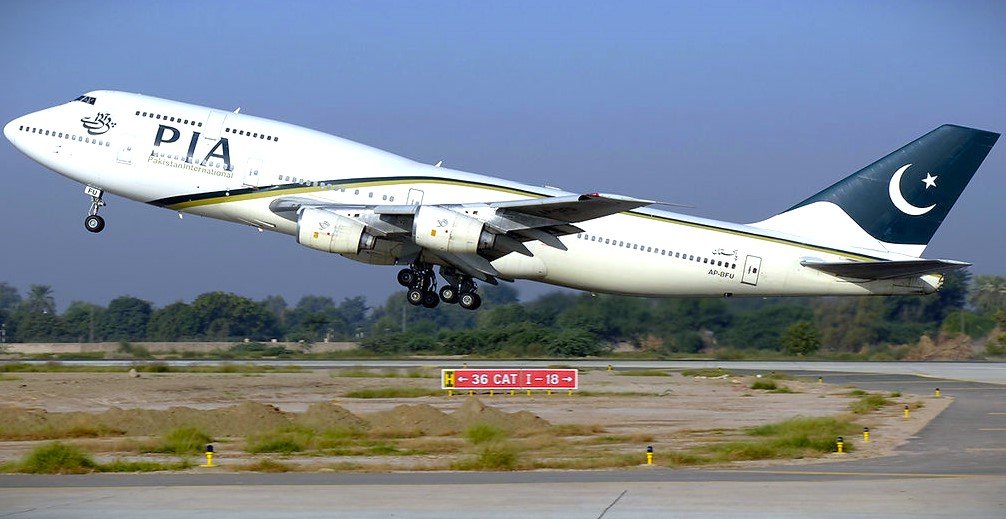
Image: Pakistan International Airlines

Islamabad, Pakistan: Pakistan has completed the long-delayed privatisation of its loss-making national carrier, Pakistan International Airlines (PIA), selling a majority stake to a local business consortium as part of economic reforms tied to International Monetary Fund (IMF) support.

A consortium led by Arif Habib Corporation emerged as the highest bidder in a government-run auction, agreeing to acquire 75% of PIA for approximately 135 billion Pakistani rupees (around $482 million). The Pakistani government will retain the remaining 25% stake.

Officials said the sale marks a significant milestone in Pakistan’s efforts to restructure state-owned enterprises and stabilise public finances amid a prolonged economic crisis.

The privatisation followed a televised bidding process overseen by Pakistan’s Privatisation Commission after earlier attempts to offload the airline failed due to a lack of qualified bidders. Authorities restructured PIA ahead of the auction, transferring a large portion of its historical debt and liabilities to the government to make the carrier more attractive to investors.

According to government statements cited by international media, operational control of PIA is expected to transition to the new owners from April 2026, subject to regulatory approvals and completion of legal formalities.

PIA has struggled for years with mounting losses, an ageing fleet, safety compliance issues, and international route restrictions, including a prolonged ban on flights to the European Union. The airline has required repeated state bailouts, becoming a key concern for lenders during negotiations with the IMF.

The IMF has consistently pushed Pakistan to reduce fiscal pressure by privatising or reforming loss-making public entities, making PIA’s sale a central component of the country’s broader economic reform programme.

While the government has described the transaction as a step toward restoring efficiency and competitiveness at the airline, labour unions and opposition figures have raised concerns about job security and transparency. Officials have said employee protections and service continuity will be addressed during the transition phase.

The new owners are expected to focus on fleet modernisation, route rationalisation, and restoring international operations as Pakistan looks to revive its national carrier after years of financial distress.

Leave a Comment

Subscribe to our Newsletter

Recent News