News
Civil Aviation
Pilot Training
Flight School Analysis
Aviation Jobs
Training
Services
About Us
Contact Us

Virgin Australia To Embed Real-Time Flight Search And Travel Planning Inside ChatGPT

Picture of Aviation Today News Desk

Aviation Today News Desk

Sydney, Australia: Virgin Australia on 28th November, announced a landmark agreement with OpenAI, becoming the first Australian airline to integrate with ChatGPT a move the airline says will redefine how customers plan and shop for travel. Under the new partnership, Virgin Australia plans to leverage OpenAI’s developer tools (including the recently announced Apps SDK) to embed its flight-search and travel-planning capabilities within ChatGPT. This means that users will soon be able to describe their travel needs in natural language, for example, “Find me flights from Melbourne to Bali in March with return after two weeks” and receive tailored flight options from Virgin Australia’s real-time inventory. Virgin says the new integration is part of its broader ambition to create a more personalised, convenient and connected travel experience. According to the airline’s statement, the collaboration aims to make flight-search, booking and travel planning “as simple as chatting.” The deal covers not only customer-facing services, but also internal tools: Virgin Australia employees will obtain secure, enterprise-grade access to OpenAI’s platform to support back-office operations, data analytics, demand forecasting, dynamic pricing and revenue management. “This collaboration marks an important step forward in the next stage of our digital transformation,” said Virgin Australia CEO Dave Emerson. “By being present where our customers already are, such as ChatGPT, we’re making it easier and more convenient to connect with Virgin Australia.” From OpenAI’s side, the partnership reflects the firm’s ambition to expand generative-AI adoption beyond traditional sectors, embedding conversational AI into real-world industries with high customer engagement and frequent transactions like aviation and travel. Virgin Australia’s history of adopting technology-driven innovations may have laid the groundwork. The airline previously implemented AI-powered tools such as its AI Trip Planner (for tailored itineraries and fare/seat availability), as well as data-driven demand forecasting and dynamic airfare pricing. Integrating OpenAI’s platform now signals a shift from backend or individual digital tools toward a fully conversational, AI-driven retail interface. Industry observers say this could mark the start of a broader transformation in airline retailing: enabling travellers to plan and book travel with the simplicity of a chat conversation bypassing traditional airline websites or OTAs (online travel agents). For travellers, this could mean easier discovery of itineraries, simpler comparisons, more personalised suggestions, and less friction in planning multi-leg or flexible-date trips. However as with any nascent technology deployment some caveats remain. The airline notes that work on the ChatGPT-based service is just beginning: initial rollout will likely be phased, with features and user experience refined over time. For customers who may soon rely on ChatGPT for booking: careful verification of schedules, fares and personal preferences will remain critical especially while the integration is being tested and refined.

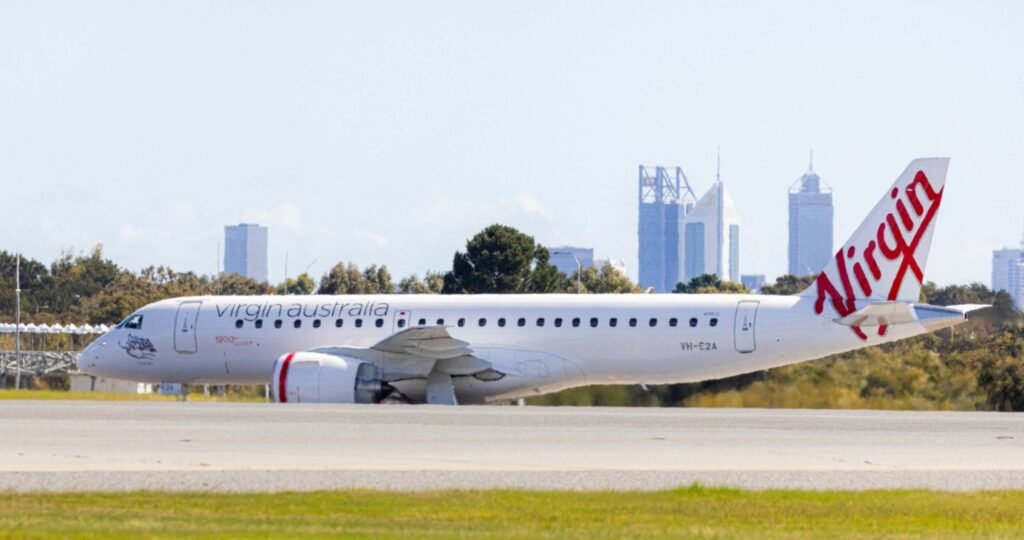
Image: Virgin Australia

Sydney, Australia: Virgin Australia on 28th November, announced a landmark agreement with OpenAI, becoming the first Australian airline to integrate with ChatGPT a move the airline says will redefine how customers plan and shop for travel.

Under the new partnership, Virgin Australia plans to leverage OpenAI’s developer tools (including the recently announced Apps SDK) to embed its flight-search and travel-planning capabilities within ChatGPT. This means that users will soon be able to describe their travel needs in natural language, for example, “Find me flights from Melbourne to Bali in March with return after two weeks”  and receive tailored flight options from Virgin Australia’s real-time inventory. 

Virgin says the new integration is part of its broader ambition to create a more personalised, convenient and connected travel experience. According to the airline’s statement, the collaboration aims to make flight-search, booking and travel planning “as simple as chatting.” 

The deal covers not only customer-facing services, but also internal tools: Virgin Australia employees will obtain secure, enterprise-grade access to OpenAI’s platform to support back-office operations, data analytics, demand forecasting, dynamic pricing and revenue management. 

“This collaboration marks an important step forward in the next stage of our digital transformation,” said Virgin Australia CEO Dave Emerson. “By being present where our customers already are, such as ChatGPT, we’re making it easier and more convenient to connect with Virgin Australia.” 

From OpenAI’s side, the partnership reflects the firm’s ambition to expand generative-AI adoption beyond traditional sectors, embedding conversational AI into real-world industries with high customer engagement and frequent transactions like aviation and travel. 

Virgin Australia’s history of adopting technology-driven innovations may have laid the groundwork. The airline previously implemented AI-powered tools such as its AI Trip Planner (for tailored itineraries and fare/seat availability), as well as data-driven demand forecasting and dynamic airfare pricing. 

Integrating OpenAI’s platform now signals a shift from backend or individual digital tools toward a fully conversational, AI-driven retail interface.

Industry observers say this could mark the start of a broader transformation in airline retailing: enabling travellers to plan and book travel with the simplicity of a chat conversation bypassing traditional airline websites or OTAs (online travel agents). For travellers, this could mean easier discovery of itineraries, simpler comparisons, more personalised suggestions, and less friction in planning multi-leg or flexible-date trips.

However as with any nascent technology deployment some caveats remain. The airline notes that work on the ChatGPT-based service is just beginning: initial rollout will likely be phased, with features and user experience refined over time. 

For customers who may soon rely on ChatGPT for booking: careful verification of schedules, fares and personal preferences will remain critical especially while the integration is being tested and refined.


Leave a Comment

Subscribe to our Newsletter

Recent News