News
Civil Aviation
Pilot Training
Flight School Analysis
Aviation Jobs
Training
Services
About Us
Contact Us

EXCLUSIVE: EgyptAir Highlights Pilot Training, 737 MAX Simulator And Technology Expansion

Picture of Aviation Today Exclusive

Aviation Today Exclusive

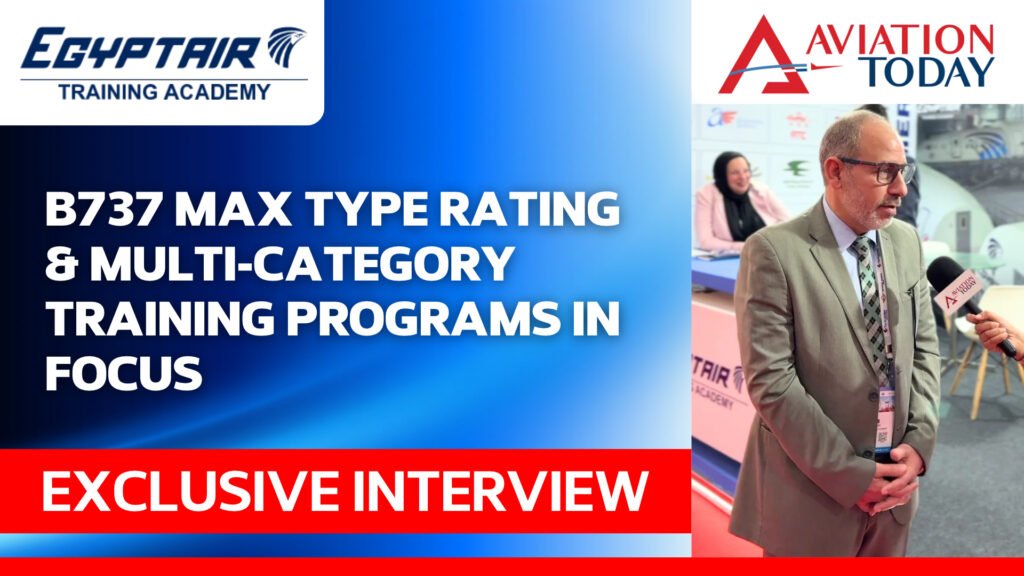
Hyderabad, India: Speaking to Aviation Today during Wings India 2026 at Begumpet Airport in Hyderabad, Mostafa Abdelaal, Marketing General Manager at EgyptAir, discussed the airline's integrated flight training operations, the addition of its Boeing 737 MAX simulator, growing training partnerships across the Middle East, Africa and India, and the role of emerging technologies, including artificial intelligence and virtual training, in aviation education. Conversation In Details Aviation Today: EgyptAir is not just an airline but also operates a flight training academy. How does this integration help develop and strengthen your overall operations? Mostafa Abdelaal: We use active pilots from the airline. It is a privilege for students to be trained by active pilots. They have current aviation experience and are also flight instructors, which is a great advantage for our students. We are also close to the actual operations, so we understand the problems, mistakes and errors that can occur. This knowledge is integrated into our training courses and services. That is why being owned and operated by an airline is a great advantage for any training academy. Aviation Today: EgyptAir is preparing to introduce a Boeing 737 MAX simulator. How will this addition impact pilot training? Mostafa Abdelaal: The Boeing 737 MAX is a very good aircraft. Everyone loves the 737, and the MAX is a new generation of this aircraft. We have already installed the simulator. It is one of the few simulators of its kind in the world. It is particularly needed by airlines that have invested in purchasing this aircraft. As everyone knows, the aircraft offers a very good level of fuel efficiency and excellent performance. We provide simulator training for pilots, including type-rating training. The simulator is approved by the Libyan Aviation Safety Agency (AASA) at Level D, so it will be a privilege to welcome trainees to join us for training. We also provide similar training for cabin crew, engineers, technicians and different categories of staff. Please visit our website to learn more about everything we offer. Aviation Today: Could you discuss your future collaborations across the Middle East and Africa and how they will contribute to your operations? Mostafa Abdelaa: We have been operating across Africa for many years. Egypt is an ancient country with a very long history, and its culture has influenced people around the world. People from Iraq like to visit Egypt, not only for entertainment, travel and leisure but also for business. They come to invest and establish economic collaborations with Egypt. One of the areas that attracts people is training. We have a very good level of training capabilities, and our facility is among the most sophisticated and modern facilities. We receive customers from the Middle East and Africa. If you look around the world, you will see some of the logos of our customers. We have a long list of customers, and there is not enough space to display everyone, so we have selected some of them. They come for simulator training, cabin crew training, aviation security and safety courses. I also need to mention that we have customers from India. We have been working in the Indian market since 2014. We have successfully completed type-rating training for different aircraft types for Indian nationals. More than 5,000 students have travelled to Cairo for training. They are now flying aircraft across India and around the world. Aviation Today: How important are platforms such as Wings India 2026 for your academy and airline in promoting your services? Are you also looking for collaborations with Indian airlines or opportunities in training activities? Mostafa Abdelaal: This is exactly why we are here. We want to promote our services and cooperate with our Indian colleagues. We also have our colleagues from Birdman Aviation here, who are our partners and representatives in the Indian market. They receive all the training requests and forward them to us so that we can arrange everything required. These requests come from both individuals and airlines. That is why this is our first time participating in this air show, but it will not be our last. We will come again. Aviation Today: How has your experience been during your visit to India and at Wings India 2026? Mostafa Abdelaal: It has been good. India is an ancient country with a very rich culture. The food is also similar to what we have in Egypt. It is spicy as well. It has been a nice trip, and I hope to visit again soon. Aviation Today: In an increasingly digitalised world, what innovations and technologies are you adopting to improve and strengthen pilot training? Mostafa Abdelaal: Technology is behind everything, especially in training. Our simulator is an example of this technology. It allows us to simulate everything that happens in the cockpit while the training takes place on the ground. This technology is advancing every moment, not just every year. What happens in an aircraft should also be reflected in training. We have AI solutions for training and virtual training, not only for pilots but also for engineers. We now have training courses that allow trainees to virtually open an engine and dismantle its components without having to work on the actual engine. This is technology, and training is greatly influenced and enhanced by it. If you use technology effectively, it will certainly deliver very good results in terms of people's performance.

Hyderabad, India: Speaking to Aviation Today during Wings India 2026 at Begumpet Airport in Hyderabad, Mostafa Abdelaal, Marketing General Manager at EgyptAir, discussed the airline’s integrated flight training operations, the addition of its Boeing 737 MAX simulator, growing training partnerships across the Middle East, Africa and India, and the role of emerging technologies, including artificial intelligence and virtual training, in aviation education.

Conversation In Details 

Aviation Today: EgyptAir is not just an airline but also operates a flight training academy. How does this integration help develop and strengthen your overall operations?

Mostafa Abdelaal: We use active pilots from the airline. It is a privilege for students to be trained by active pilots. They have current aviation experience and are also flight instructors, which is a great advantage for our students.

We are also close to the actual operations, so we understand the problems, mistakes and errors that can occur. This knowledge is integrated into our training courses and services. That is why being owned and operated by an airline is a great advantage for any training academy.

Aviation Today: EgyptAir is preparing to introduce a Boeing 737 MAX simulator. How will this addition impact pilot training?

Mostafa Abdelaal: The Boeing 737 MAX is a very good aircraft. Everyone loves the 737, and the MAX is a new generation of this aircraft.

We have already installed the simulator. It is one of the few simulators of its kind in the world. It is particularly needed by airlines that have invested in purchasing this aircraft.

As everyone knows, the aircraft offers a very good level of fuel efficiency and excellent performance. We provide simulator training for pilots, including type-rating training. The simulator is approved by the Libyan Aviation Safety Agency (AASA) at Level D, so it will be a privilege to welcome trainees to join us for training.

We also provide similar training for cabin crew, engineers, technicians and different categories of staff. Please visit our website to learn more about everything we offer.

Aviation Today: Could you discuss your future collaborations across the Middle East and Africa and how they will contribute to your operations?

Mostafa Abdelaa: We have been operating across Africa for many years. Egypt is an ancient country with a very long history, and its culture has influenced people around the world.

People from Iraq like to visit Egypt, not only for entertainment, travel and leisure but also for business. They come to invest and establish economic collaborations with Egypt. One of the areas that attracts people is training. We have a very good level of training capabilities, and our facility is among the most sophisticated and modern facilities.

We receive customers from the Middle East and Africa. If you look around the world, you will see some of the logos of our customers. We have a long list of customers, and there is not enough space to display everyone, so we have selected some of them.

They come for simulator training, cabin crew training, aviation security and safety courses. I also need to mention that we have customers from India. We have been working in the Indian market since 2014.

We have successfully completed type-rating training for different aircraft types for Indian nationals. More than 5,000 students have travelled to Cairo for training. They are now flying aircraft across India and around the world.

Aviation Today: How important are platforms such as Wings India 2026 for your academy and airline in promoting your services? Are you also looking for collaborations with Indian airlines or opportunities in training activities?

Mostafa Abdelaal: This is exactly why we are here. We want to promote our services and cooperate with our Indian colleagues. We also have our colleagues from Birdman Aviation here, who are our partners and representatives in the Indian market. They receive all the training requests and forward them to us so that we can arrange everything required.

These requests come from both individuals and airlines. That is why this is our first time participating in this air show, but it will not be our last. We will come again.

Aviation Today: In an increasingly digitalised world, what innovations and technologies are you adopting to improve and strengthen pilot training?

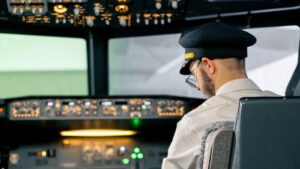
Mostafa Abdelaal: Technology is behind everything, especially in training. Our simulator is an example of this technology. It allows us to simulate everything that happens in the cockpit while the training takes place on the ground. This technology is advancing every moment, not just every year.

What happens in an aircraft should also be reflected in training. We have AI solutions for training and virtual training, not only for pilots but also for engineers. We now have training courses that allow trainees to virtually open an engine and dismantle its components without having to work on the actual engine. This is technology, and training is greatly influenced and enhanced by it. If you use technology effectively, it will certainly deliver very good results in terms of people’s performance.
Leave a Comment

Subscribe to our Newsletter

Recent News

Aviation Today Perspectives