News
Civil Aviation
Pilot Training
Flight School Analysis
Aviation Jobs
Training
Services
About Us
Contact Us

Nigerian Airlines Challenge NCAA Delay Data Over Missing Flights And External Factors

Picture of Aviation Today News Desk

Aviation Today News Desk

Lagos, Nigeria: The Nigeria Civil Aviation Authority’s August 2026 domestic flight-disruption report has come under challenge from Air Peace, United Nigeria Airlines and ValueJet, with the carriers questioning the regulator’s flight-count data and its failure to distinguish delays caused by airlines from those linked to airports, weather, infrastructure and other external factors. The NCAA, in its report released on 13 September 2026, said 15 domestic airlines operated 7,961 flights in August, of which 4,765 were delayed and 36 cancelled. Air Peace was listed with 1,864 flights and 1,330 delays, giving it a 71.4% delay rate, while United Nigeria recorded 943 delays from 1,231 flights, the highest delay rate at 76.6%. ValueJet recorded 435 delays from 767 flights, or 56.7%. The NCAA said 2,801 delays lasted between 16 minutes and one hour, 1,322 lasted one to two hours, 407 lasted two to three hours and 235 lasted at least three hours. Air Peace accounted for 108 of the longest delays. Air Peace challenged the figures on 17 September 2026 through a statement signed by its Chief Operating Officer, Oluwatoyin Olajide. The airline said it actually operated 2,564 flights in August, rather than the 1,864 recorded by the NCAA, arguing that the omission of more than 700 flights distorted its performance metrics and inflated its reported delay rate. “By omitting over 700 fully operational flights from the data pool, the NCAA’s calculations skew our actual performance metrics and artificially inflate the reported delay percentages,” the airline said. Air Peace also questioned why the NCAA began its monthly disruption series with August instead of July, after publishing its first- and second-quarter disruption reports on 31 July. “Why did the NCAA start the monthly series with August rather than July, immediately following the publication of Q1 and Q2 on 31st of July?” the airline asked. It also questioned the publication of detailed August data only 13 days after the end of the month. Another major issue raised by Air Peace was the absence of an airline-by-airline breakdown of the causes of delays. The NCAA report provided the number and duration of delays but did not publicly attribute individual delays to internal airline factors or external circumstances. Air Peace argued that this presentation could leave the impression that the disruptions were primarily caused by airline operations. The airline said its own review found 391 flights affected by internal factors, mainly technical issues requiring unscheduled maintenance and fuel-related problems. It attributed the remaining disruptions to external factors including airport congestion and traffic, infrastructure deficiencies, adverse weather, bird strikes, aviation-union industrial action and aircraft damage by a ground-handling company. Air Peace said airport congestion and traffic accounted for more than 51% of its externally caused delays. Air Peace also pointed to a bird strike involving aircraft 5N-BYG in Abuja. The airline said the strike damaged the aircraft’s inlet cowl beyond acceptable limits, cost about US$1.8 million to repair and kept the aircraft out of service for more than a week. It said the aircraft normally operated at least eight sectors a day and carried about 1,000 passengers, meaning its removal affected subsequent rotations. The airline further said adverse weather during the rainy season caused safety holds and diversions, creating consequential delays across later flights. It also said aviation-union picketing that began on 11 August, 2026 affected its operations for more than 14 days, causing rescheduling, delays and cancellations. The NCAA had separately acknowledged the industrial action on 11 August, 2026 saying it was affecting passengers and other stakeholders and urging the unions to resolve the dispute. United Nigeria Airlines raised a similar methodological concern during the Aviation Day of the 23rd Akwaaba African Travel Market in Lagos on 15 September, 2026. Its Chief Commercial Officer, Adedayo Olawuyi, said the NCAA figures should distinguish between controllable and uncontrollable delays before carrier performance is assessed. “The first problem we have with that data, personally speaking, is that the data was not presented in a way where we have removed controllable delays and uncontrollable delays,” Olawuyi said. Olawuyi cited airport congestion, inadequate infrastructure, technical problems and weather as causes of disruption. He said aircraft can be ready for departure but remain blocked on ramps or delayed before accessing the runway because several operators are using limited airport capacity. He also described a recent United Nigeria Lagos-Kano flight affected by bad weather. According to Olawuyi, the flight eventually departed Lagos at about 10:30 p.m., but a thunderstorm at Kano disabled runway lighting before landing. The aircraft returned to Lagos and landed at about 1 a.m. “That’s not the fault of the airline,” he said. Olawuyi said many Nigerian airports have limited night-operating capability, meaning an earlier delay can extend beyond operating hours and result in cancellation. He argued that the regulator’s figures should therefore be assessed across the wider aviation system rather than attributed solely to carriers. ValueJet’s Chief Commercial Officer, Trevor Henry, made a similar argument at the same Lagos event. He cited presidential movements, weather, congestion at check-in and security points, crowded boarding lounges, boarding-gate congestion and taxiway and runway congestion as factors affecting schedules. “Delays and cancellations are usually caused by issues like presidential movements, weather, airport congestion at check-in, congestion in the boarding lounge due to security checks, and congestion at the boarding gate,” Henry said. The discussion also produced a proposed operational response from Murtala Muhammed Airport Terminal 2. MMA2 Chief Operating Officer Remi Jibodu said more than 10 airlines can schedule flights around 7 a.m., creating pressure on airport facilities. He proposed better coordination and staggered departure times, including consideration of a slot system to spread peak-hour traffic. The dispute therefore centres on two separate questions: whether the NCAA’s flight-volume figures accurately captured individual airline operations, and whether raw delay totals are sufficient to assess airline performance without identifying the causes of each disruption. The NCAA has not publicly responded in the sources reviewed to Air Peace’s specific claim that 700 flights were omitted from its August total. Its published report remains the regulator’s official August disruption dataset, while the airlines’ alternative figures and causal breakdowns remain claims from the respective carriers pending reconciliation with the NCAA.
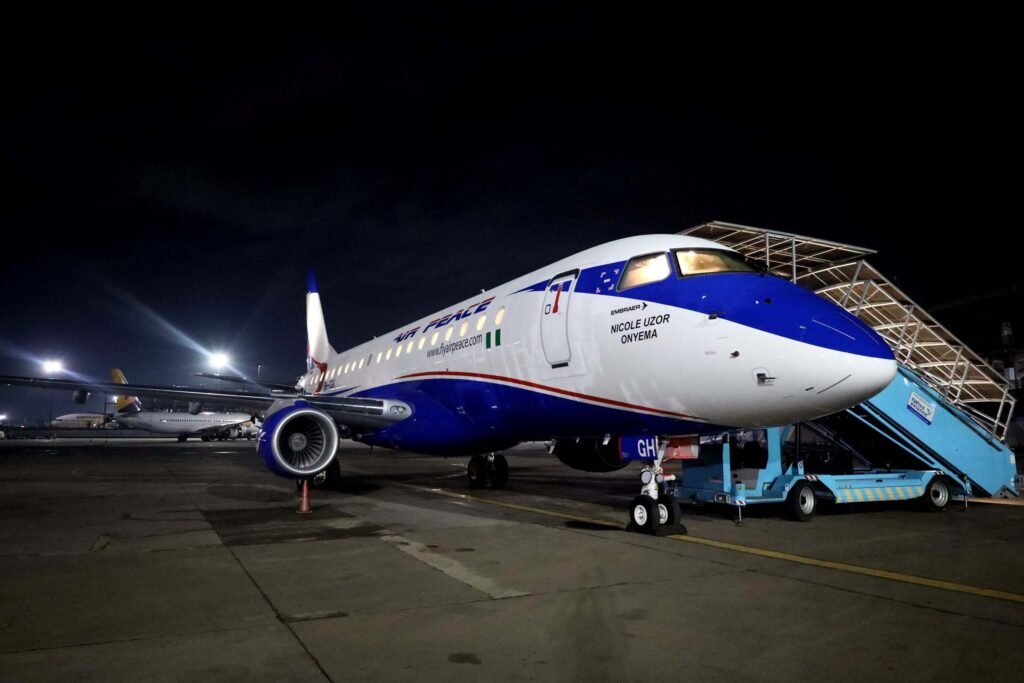
Image: Air Peace

Lagos, Nigeria: The Nigeria Civil Aviation Authority’s August 2026 domestic flight-disruption report has come under challenge from Air Peace, United Nigeria Airlines and ValueJet, with the carriers questioning the regulator’s flight-count data and its failure to distinguish delays caused by airlines from those linked to airports, weather, infrastructure and other external factors.

The NCAA, in its report released on 13 September 2026, said 15 domestic airlines operated 7,961 flights in August, of which 4,765 were delayed and 36 cancelled. Air Peace was listed with 1,864 flights and 1,330 delays, giving it a 71.4% delay rate, while United Nigeria recorded 943 delays from 1,231 flights, the highest delay rate at 76.6%. ValueJet recorded 435 delays from 767 flights, or 56.7%. The NCAA said 2,801 delays lasted between 16 minutes and one hour, 1,322 lasted one to two hours, 407 lasted two to three hours and 235 lasted at least three hours. Air Peace accounted for 108 of the longest delays.

Air Peace challenged the figures on 17 September 2026 through a statement signed by its Chief Operating Officer, Oluwatoyin Olajide. The airline said it actually operated 2,564 flights in August, rather than the 1,864 recorded by the NCAA, arguing that the omission of more than 700 flights distorted its performance metrics and inflated its reported delay rate. “By omitting over 700 fully operational flights from the data pool, the NCAA’s calculations skew our actual performance metrics and artificially inflate the reported delay percentages,” the airline said.

Air Peace also questioned why the NCAA began its monthly disruption series with August instead of July, after publishing its first- and second-quarter disruption reports on 31 July. “Why did the NCAA start the monthly series with August rather than July, immediately following the publication of Q1 and Q2 on 31st of July?” the airline asked. It also questioned the publication of detailed August data only 13 days after the end of the month.

Another major issue raised by Air Peace was the absence of an airline-by-airline breakdown of the causes of delays. The NCAA report provided the number and duration of delays but did not publicly attribute individual delays to internal airline factors or external circumstances. Air Peace argued that this presentation could leave the impression that the disruptions were primarily caused by airline operations.

The airline said its own review found 391 flights affected by internal factors, mainly technical issues requiring unscheduled maintenance and fuel-related problems. It attributed the remaining disruptions to external factors including airport congestion and traffic, infrastructure deficiencies, adverse weather, bird strikes, aviation-union industrial action and aircraft damage by a ground-handling company. Air Peace said airport congestion and traffic accounted for more than 51% of its externally caused delays.

Air Peace also pointed to a bird strike involving aircraft 5N-BYG in Abuja. The airline said the strike damaged the aircraft’s inlet cowl beyond acceptable limits, cost about US$1.8 million to repair and kept the aircraft out of service for more than a week. It said the aircraft normally operated at least eight sectors a day and carried about 1,000 passengers, meaning its removal affected subsequent rotations.

The airline further said adverse weather during the rainy season caused safety holds and diversions, creating consequential delays across later flights. It also said aviation-union picketing that began on 11 August, 2026 affected its operations for more than 14 days, causing rescheduling, delays and cancellations. The NCAA had separately acknowledged the industrial action on 11 August, 2026 saying it was affecting passengers and other stakeholders and urging the unions to resolve the dispute.

United Nigeria Airlines raised a similar methodological concern during the Aviation Day of the 23rd Akwaaba African Travel Market in Lagos on 15 September, 2026. Its Chief Commercial Officer, Adedayo Olawuyi, said the NCAA figures should distinguish between controllable and uncontrollable delays before carrier performance is assessed.

“The first problem we have with that data, personally speaking, is that the data was not presented in a way where we have removed controllable delays and uncontrollable delays,” Olawuyi said.

Olawuyi cited airport congestion, inadequate infrastructure, technical problems and weather as causes of disruption. He said aircraft can be ready for departure but remain blocked on ramps or delayed before accessing the runway because several operators are using limited airport capacity.

He also described a recent United Nigeria Lagos-Kano flight affected by bad weather. According to Olawuyi, the flight eventually departed Lagos at about 10:30 p.m., but a thunderstorm at Kano disabled runway lighting before landing. The aircraft returned to Lagos and landed at about 1 a.m. “That’s not the fault of the airline,” he said.

Olawuyi said many Nigerian airports have limited night-operating capability, meaning an earlier delay can extend beyond operating hours and result in cancellation. He argued that the regulator’s figures should therefore be assessed across the wider aviation system rather than attributed solely to carriers.

ValueJet’s Chief Commercial Officer, Trevor Henry, made a similar argument at the same Lagos event. He cited presidential movements, weather, congestion at check-in and security points, crowded boarding lounges, boarding-gate congestion and taxiway and runway congestion as factors affecting schedules.

“Delays and cancellations are usually caused by issues like presidential movements, weather, airport congestion at check-in, congestion in the boarding lounge due to security checks, and congestion at the boarding gate,” Henry said.

The discussion also produced a proposed operational response from Murtala Muhammed Airport Terminal 2. MMA2 Chief Operating Officer Remi Jibodu said more than 10 airlines can schedule flights around 7 a.m., creating pressure on airport facilities. He proposed better coordination and staggered departure times, including consideration of a slot system to spread peak-hour traffic.

The dispute therefore centres on two separate questions: whether the NCAA’s flight-volume figures accurately captured individual airline operations, and whether raw delay totals are sufficient to assess airline performance without identifying the causes of each disruption.

The NCAA has not publicly responded in the sources reviewed to Air Peace’s specific claim that 700 flights were omitted from its August total. Its published report remains the regulator’s official August disruption dataset, while the airlines’ alternative figures and causal breakdowns remain claims from the respective carriers pending reconciliation with the NCAA.

Leave a Comment

Subscribe to our Newsletter

Recent News

Aviation Today Perspectives