News
Civil Aviation
Pilot Training
Flight School Analysis
Aviation Jobs
Training
Services
About Us
Contact Us

Global Airlines Paid $24.5 Billion In Transaction Costs On $1.05 Trillion Sales: IATA

Picture of Aviation Today News Desk

Aviation Today News Desk

Macao, China: Global airlines incurred $24.5 billion in payment-related costs in 2025 while processing $1.05 trillion in sales, according to new data released by the International Air Transport Association (IATA) on 27 October 2026. The figures show that payment costs increased by 10.4% compared with 2023, significantly outpacing the 7.7% growth in travel sales over the same period, when sales rose from $977 billion to $1.05 trillion. IATA said the average payment cost amounted to $5 per passenger, exceeding its forecast net profit of $4.50 per passenger for the airline industry in 2026. The association warned that the growing cost of processing transactions is adding pressure to an industry characterised by intense competition, high capital requirements and narrow profit margins. “The airline industry is hyper competitive, capital intensive and famously low margin. In such an environment every cost item needs to be looked at carefully. The fact that payment transaction costs are increasing faster than industry revenues is unsustainable and, despite significant technological advances, highlights the critical need for greater cost efficiency,” said Sandrine Le Borgne, IATA’s Interim Director General and Chief Financial Officer. IATA’s analysis of the $24.5 billion payment bill identified three principal cost categories: direct transaction fees, airline operating expenses associated with payment processing, and losses from fraud or uncollected sales. Direct payment fees accounted for $20.7 billion, representing 84.5% of the total. These expenses cover the direct costs of completing transactions. A further $2.9 billion, or 11.8%, was attributed to airline operating costs, including payment systems, delayed cash flow, staffing and compliance. The remaining $0.9 billion, equivalent to 3.7%, was lost through fraud or sales that airlines could not collect. Card payments were the most expensive payment option identified in the release, with average payment fees of 2.53%. This was higher than the estimated overall average payment fee of 1.97%. By comparison, the lowest-cost payment options carried fees of 0.01%, highlighting the potential for airlines to reduce expenses by expanding the use of more economical payment methods. IATA is encouraging airlines to introduce alternative, lower-cost payment methods as passenger preferences evolve. Its 2025 Global Passenger Survey found that 29% of passengers preferred digital wallets, while 8% favoured local instant payment solutions. To support this shift, IATA highlighted two existing services: IATA Pay and the IATA Financial Gateway (IFG). IATA Pay allows passengers to purchase travel using local instant payment solutions. The service has been rolled out in 34 countries and covers 38 payment schemes. The IATA Financial Gateway enables airlines and travel suppliers to manage, optimize and control payments across multiple sales channels in more than 170 countries, using over 300 payment methods. The association said these services can help airlines respond to changing payment preferences while improving efficiency in managing transactions. Another area of focus is the cost of agency cards. IATA’s Transparency In Payments solution enables airlines to establish their payment policies and frameworks within the IATA Billing & Settlement Plan (BSP). The system is intended to help airlines make informed decisions about whether to accept agency cards instead of customer cards or choose other cost-effective alternatives available through the BSP, including IATA EASY PAY. IATA said improving transparency around these costs would help airlines evaluate the financial implications of different payment methods and make decisions that better support their commercial priorities. IATA is also working with airlines and corporate customers to develop a new approach to corporate travel payments as the industry moves towards the Offers & Orders model. The initiative is designed to improve payment efficiency, simplify reconciliation and provide richer transaction data. It is also intended to give airlines and corporate customers greater choice in how payments are managed. In addition, IATA has developed the Airline Payment Framework – Management Foundation. The framework is intended to help airlines align their commercial, financial and operational priorities when evaluating payment options, ensuring that payment systems support both customer experience and financial performance. Beyond reducing costs, IATA said offering passengers more payment options could help airlines recover revenue lost when transactions fail. “In addition to cost-efficiency, IATA research shows that providing passengers with alternative payment methods could also have a revenue-generating impact. About one in five ancillary purchase attempts are not completed because the initial payment attempt was refused and no other method was offered. Enabling more payment options has the potential to help airlines realize some of this lost revenue,” said Le Borgne. Ancillary purchases include additional products and services sold alongside air travel. IATA’s finding indicates that when an initial payment is declined and no alternative is available, airlines may lose sales that could otherwise have been completed. The association’s proposed measures therefore address both sides of the issue: reducing the cost of processing payments and providing passengers with more opportunities to complete purchases. IATA, the International Air Transport Association, represents more than 370 airlines that account for approximately 85% of global air traffic, according to the note for editors accompanying its 27 October 2026 release.

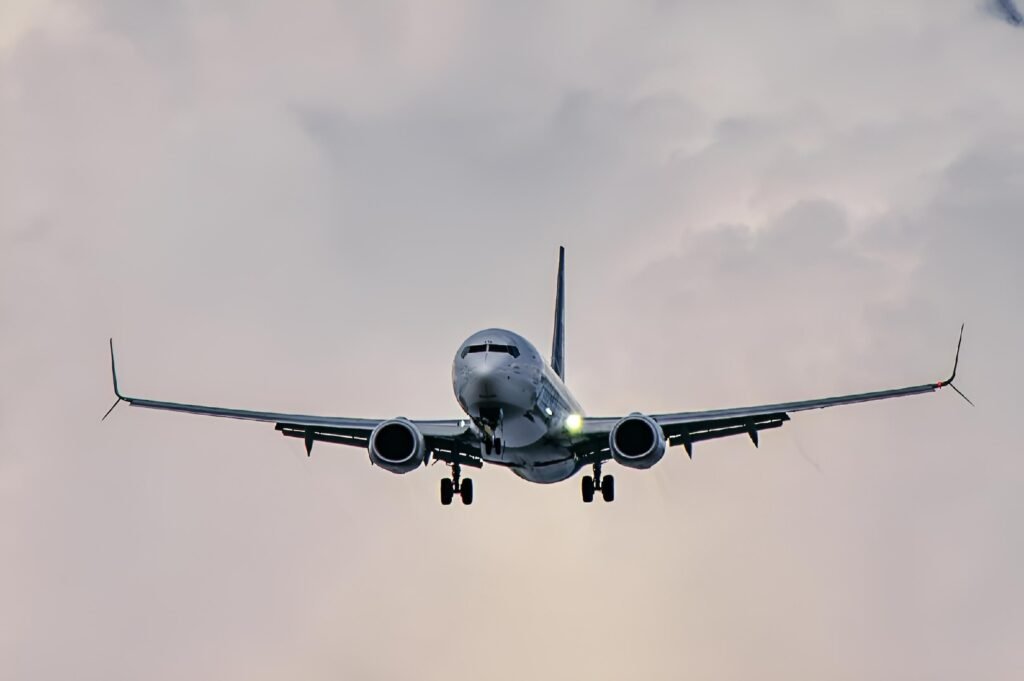
Image: Representational

Macao, China: Global airlines incurred $24.5 billion in payment-related costs in 2025 while processing $1.05 trillion in sales, according to new data released by the International Air Transport Association (IATA) on 27 October 2026. The figures show that payment costs increased by 10.4% compared with 2023, significantly outpacing the 7.7% growth in travel sales over the same period, when sales rose from $977 billion to $1.05 trillion.

IATA said the average payment cost amounted to $5 per passenger, exceeding its forecast net profit of $4.50 per passenger for the airline industry in 2026. The association warned that the growing cost of processing transactions is adding pressure to an industry characterised by intense competition, high capital requirements and narrow profit margins.

“The airline industry is hyper competitive, capital intensive and famously low margin. In such an environment every cost item needs to be looked at carefully. The fact that payment transaction costs are increasing faster than industry revenues is unsustainable and, despite significant technological advances, highlights the critical need for greater cost efficiency,” said Sandrine Le Borgne, IATA’s Interim Director General and Chief Financial Officer.

IATA’s analysis of the $24.5 billion payment bill identified three principal cost categories: direct transaction fees, airline operating expenses associated with payment processing, and losses from fraud or uncollected sales.

Direct payment fees accounted for $20.7 billion, representing 84.5% of the total. These expenses cover the direct costs of completing transactions. A further $2.9 billion, or 11.8%, was attributed to airline operating costs, including payment systems, delayed cash flow, staffing and compliance. The remaining $0.9 billion, equivalent to 3.7%, was lost through fraud or sales that airlines could not collect.

Card payments were the most expensive payment option identified in the release, with average payment fees of 2.53%. This was higher than the estimated overall average payment fee of 1.97%. By comparison, the lowest-cost payment options carried fees of 0.01%, highlighting the potential for airlines to reduce expenses by expanding the use of more economical payment methods.

IATA is encouraging airlines to introduce alternative, lower-cost payment methods as passenger preferences evolve. Its 2025 Global Passenger Survey found that 29% of passengers preferred digital wallets, while 8% favoured local instant payment solutions.

To support this shift, IATA highlighted two existing services: IATA Pay and the IATA Financial Gateway (IFG).

IATA Pay allows passengers to purchase travel using local instant payment solutions. The service has been rolled out in 34 countries and covers 38 payment schemes. The IATA Financial Gateway enables airlines and travel suppliers to manage, optimize and control payments across multiple sales channels in more than 170 countries, using over 300 payment methods.

The association said these services can help airlines respond to changing payment preferences while improving efficiency in managing transactions.

Another area of focus is the cost of agency cards. IATA’s Transparency In Payments solution enables airlines to establish their payment policies and frameworks within the IATA Billing & Settlement Plan (BSP).

The system is intended to help airlines make informed decisions about whether to accept agency cards instead of customer cards or choose other cost-effective alternatives available through the BSP, including IATA EASY PAY.

IATA said improving transparency around these costs would help airlines evaluate the financial implications of different payment methods and make decisions that better support their commercial priorities.

IATA is also working with airlines and corporate customers to develop a new approach to corporate travel payments as the industry moves towards the Offers & Orders model.

The initiative is designed to improve payment efficiency, simplify reconciliation and provide richer transaction data. It is also intended to give airlines and corporate customers greater choice in how payments are managed.

In addition, IATA has developed the Airline Payment Framework – Management Foundation. The framework is intended to help airlines align their commercial, financial and operational priorities when evaluating payment options, ensuring that payment systems support both customer experience and financial performance.

Beyond reducing costs, IATA said offering passengers more payment options could help airlines recover revenue lost when transactions fail.

“In addition to cost-efficiency, IATA research shows that providing passengers with alternative payment methods could also have a revenue-generating impact. About one in five ancillary purchase attempts are not completed because the initial payment attempt was refused and no other method was offered. Enabling more payment options has the potential to help airlines realize some of this lost revenue,” said Le Borgne.

Ancillary purchases include additional products and services sold alongside air travel. IATA’s finding indicates that when an initial payment is declined and no alternative is available, airlines may lose sales that could otherwise have been completed.

The association’s proposed measures therefore address both sides of the issue: reducing the cost of processing payments and providing passengers with more opportunities to complete purchases.

IATA, the International Air Transport Association, represents more than 370 airlines that account for approximately 85% of global air traffic, according to the note for editors accompanying its 27 October 2026 release.

Leave a Comment

Subscribe to our Newsletter

Recent News

Aviation Today Perspectives