News
Civil Aviation
Pilot Training
Flight School Analysis
Aviation Jobs
Training
Services
About Us
Contact Us

ALPA Rejects IndiGo’s FDTL Remarks, Cites Structural Issues Behind Pilot Shortage

Picture of Aviation Today News Desk

Aviation Today News Desk

New Delhi, India: The Airline Pilots' Association of India (ALPA India) has strongly rejected recent remarks by IndiGo Managing Director Rahul Bhatia attributing India's pilot shortage to revised flight duty and fatigue management regulations, asserting instead that deeper structural issues within the aviation industry are constraining the country's pilot workforce. In a statement issued on Tuesday, July 29, 2026, ALPA India said the debate surrounding pilot availability should focus on long-standing industry practices rather than the implementation of revised Flight Duty Time Limitations (FDTL). The pilots' body maintained that India's aviation sector has sufficient interest among aspiring pilots but alleged that barriers within the training and employment ecosystem are restricting the effective supply of qualified flight crew. According to reports by PTI, ALPA India disputed suggestions that enhanced fatigue regulations are responsible for the industry's staffing challenges. Instead, the association argued that three structural issues continue to affect pilot availability: the high cost of cadet training and aircraft type ratings, alleged anti-competitive hiring practices among airlines, and wage-related employment practices that limit pilot mobility. The association urged the Ministry of Civil Aviation (MoCA) and the Competition Commission of India (CCI) to expedite investigations into these issues, stating that addressing structural barriers would provide a more sustainable solution to pilot shortages than revisiting safety-focused flight duty regulations. The remarks came after Rahul Bhatia co-founder of IndiGo and serves as the Managing Director of InterGlobe Aviation Ltd., the parent company of IndiGo expressed concerns over the implementation of revised DGCA Flight Duty Time Limitations, stating that the changes could intensify pilot shortages and increase operational challenges for airlines. His comments reignited discussion across the aviation sector regarding the balance between operational efficiency and flight safety. Bhatia told PTI, "I think Flight Duty Time Limitations (FDTL) needs a review, and I think there's enough conversation going on with the government. All we want to do is appeal to the government that we must follow the global best practices". Responding directly to Rahul Bhatia's recent comments, ALPA India argued that weakening or delaying fatigue management reforms would not resolve the industry's workforce challenges. Instead, it said policy attention should remain focused on ensuring fair market practices while maintaining internationally accepted flight safety standards designed to reduce pilot fatigue. India's revised FDTL regulations were introduced by the Directorate General of Civil Aviation (DGCA) following recommendations aimed at strengthening pilot fatigue management. The rules seek to improve crew rest requirements, regulate night operations and reduce fatigue-related safety risks. While several airlines have expressed operational concerns regarding implementation, pilot associations have consistently maintained that the regulations are essential for maintaining flight safety. ALPA India specifically called for faster progress in investigations into cadet programme pricing and inter-airline hiring practices. The association argued that the financial burden associated with airline cadet programmes and mandatory type-rating training has significantly increased the cost of entering the profession, making commercial pilot careers inaccessible for many aspiring candidates. The pilots' body also alleged that anti-competitive employment practices within the industry have affected labour mobility. It claimed that certain hiring practices discourage experienced pilots from moving between airlines, thereby limiting competition in the labour market and suppressing salary growth. ALPA India said these issues require regulatory scrutiny by the Competition Commission of India. The association further maintained that wage suppression has become another contributing factor behind the industry's pilot supply concerns. According to ALPA India, compensation structures and employment conditions at certain carriers discourage both retention and recruitment despite growing demand for pilots as Indian airlines continue expanding their fleets. ALPA India claimed that airline-backed cadet programmes require aspiring pilots to spend between ₹60 lakh and ₹1.25 crore on training, significantly higher than international type-rating programmes that typically cost around ₹20 lakh. The association further alleged that many cadets are bound by long-term employment agreements despite having no assurance of securing a job. ALPA India reiterated that pilot shortages cannot be attributed solely to duty-time regulations and emphasized that broader structural reforms are necessary. The association said reducing financial barriers for cadet pilots, ensuring competitive hiring practices and addressing employment-related concerns would help strengthen the long-term supply of qualified flight crew in India's rapidly expanding aviation market. Neither the Ministry of Civil Aviation nor the Competition Commission of India had publicly responded to ALPA India's latest appeal at the time of publication. Similarly, no fresh official statement from IndiGo responding specifically to ALPA India's latest remarks had been issued.
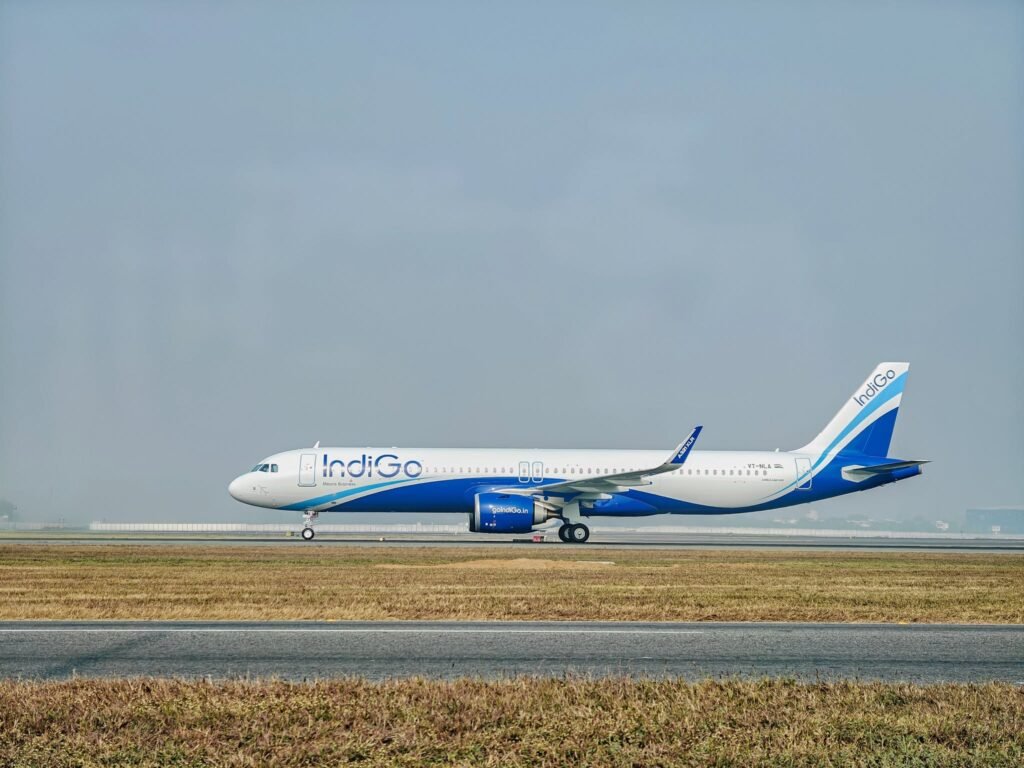
Image: IndiGo

New Delhi, India: The Airline Pilots’ Association of India (ALPA India) has strongly rejected recent remarks by IndiGo Managing Director Rahul Bhatia attributing India’s pilot shortage to revised flight duty and fatigue management regulations, asserting instead that deeper structural issues within the aviation industry are constraining the country’s pilot workforce.

In a statement issued on Tuesday, July 29, 2026, ALPA India said the debate surrounding pilot availability should focus on long-standing industry practices rather than the implementation of revised Flight Duty Time Limitations (FDTL). The pilots’ body maintained that India’s aviation sector has sufficient interest among aspiring pilots but alleged that barriers within the training and employment ecosystem are restricting the effective supply of qualified flight crew.

According to reports by PTI, ALPA India disputed suggestions that enhanced fatigue regulations are responsible for the industry’s staffing challenges. Instead, the association argued that three structural issues continue to affect pilot availability: the high cost of cadet training and aircraft type ratings, alleged anti-competitive hiring practices among airlines, and wage-related employment practices that limit pilot mobility.

The association urged the Ministry of Civil Aviation (MoCA) and the Competition Commission of India (CCI) to expedite investigations into these issues, stating that addressing structural barriers would provide a more sustainable solution to pilot shortages than revisiting safety-focused flight duty regulations.

The remarks came after Rahul Bhatia co-founder of IndiGo and serves as the Managing Director of InterGlobe Aviation Ltd., the parent company of IndiGo expressed concerns over the implementation of revised DGCA Flight Duty Time Limitations, stating that the changes could intensify pilot shortages and increase operational challenges for airlines. His comments reignited discussion across the aviation sector regarding the balance between operational efficiency and flight safety.

Bhatia told PTI, “I think Flight Duty Time Limitations (FDTL) needs a review, and I think there’s enough conversation going on with the government. All we want to do is appeal to the government that we must follow the global best practices”.

Responding directly to Rahul Bhatia’s recent comments, ALPA India argued that weakening or delaying fatigue management reforms would not resolve the industry’s workforce challenges. Instead, it said policy attention should remain focused on ensuring fair market practices while maintaining internationally accepted flight safety standards designed to reduce pilot fatigue.

India’s revised FDTL regulations were introduced by the Directorate General of Civil Aviation (DGCA) following recommendations aimed at strengthening pilot fatigue management. The rules seek to improve crew rest requirements, regulate night operations and reduce fatigue-related safety risks. While several airlines have expressed operational concerns regarding implementation, pilot associations have consistently maintained that the regulations are essential for maintaining flight safety.

ALPA India specifically called for faster progress in investigations into cadet programme pricing and inter-airline hiring practices. The association argued that the financial burden associated with airline cadet programmes and mandatory type-rating training has significantly increased the cost of entering the profession, making commercial pilot careers inaccessible for many aspiring candidates.

The pilots’ body also alleged that anti-competitive employment practices within the industry have affected labour mobility. It claimed that certain hiring practices discourage experienced pilots from moving between airlines, thereby limiting competition in the labour market and suppressing salary growth. ALPA India said these issues require regulatory scrutiny by the Competition Commission of India.

The association further maintained that wage suppression has become another contributing factor behind the industry’s pilot supply concerns. According to ALPA India, compensation structures and employment conditions at certain carriers discourage both retention and recruitment despite growing demand for pilots as Indian airlines continue expanding their fleets.

ALPA India claimed that airline-backed cadet programmes require aspiring pilots to spend between ₹60 lakh and ₹1.25 crore on training, significantly higher than international type-rating programmes that typically cost around ₹20 lakh. The association further alleged that many cadets are bound by long-term employment agreements despite having no assurance of securing a job. 

ALPA India reiterated that pilot shortages cannot be attributed solely to duty-time regulations and emphasized that broader structural reforms are necessary. The association said reducing financial barriers for cadet pilots, ensuring competitive hiring practices and addressing employment-related concerns would help strengthen the long-term supply of qualified flight crew in India’s rapidly expanding aviation market.

Neither the Ministry of Civil Aviation nor the Competition Commission of India had publicly responded to ALPA India’s latest appeal at the time of publication. Similarly, no fresh official statement from IndiGo responding specifically to ALPA India’s latest remarks had been issued.


Leave a Comment

Subscribe to our Newsletter

Recent News

Aviation Today Perspectives