News
Civil Aviation
Pilot Training
Flight School Analysis
Aviation Jobs
Training
Services
About Us
Contact Us

AirBaltic Seeks Chapter 11 Protection In US Amid Rising Fuel Costs And Debt

Picture of Aviation Today News Desk

Aviation Today News Desk

New York, United States: Latvia’s national airline airBaltic voluntarily filed for protection under Chapter 11 of the US Bankruptcy Code in New York on 14 September 2026, seeking to restructure its debt after soaring jet fuel costs and stalled negotiations with creditors pushed the carrier into acute financial stress. The airline said it had secured a commitment for €350 million ($405 million) in financing from Strategic Value Partners, Barclays, Hayfin Capital Management, Morgan Stanley and Oaktree Capital Management to support operations during the restructuring. The financing carries an interest rate of about 12% and remains subject to court approval. AirBaltic said it expects the court-supervised restructuring to be completed by June 2027, while flights will continue as scheduled. The filing comes as the aviation industry faces severe pressure from the Iran war that has doubled jet fuel prices and triggered the sector’s worst crisis since the COVID-19 pandemic. AirBaltic’s board said in a bankruptcy-court filing that the airline was experiencing “acute financial stress due to a combination of financial and geopolitical factors.” AirBaltic had been negotiating with creditors to secure additional financing, but the talks failed to produce an agreement. Before the bankruptcy filing, bondholders were due to vote on a proposal to raise up to €257 million through new super-senior debt due in February 2027, carrying an interest rate of 25%. Latvian Prime Minister Andris Kulbergs said bondholders representing more than 70% of the value of the airline’s debt chose liquidation instead of approving the financing required to keep the company going. “I view this solution as one of the best options for ensuring airBaltic’s viability, as it provides the necessary tools and time to implement the restructuring plan,” Kulbergs said. The Latvian government is continuing to search for a strategic investor while airBaltic reduces its fleet and reorganises its financial obligations. AirBaltic’s financial problems had been building before the latest fuel shock. The airline said it had about $583 million in funded debt and finance lease liabilities, while it owed €106 million in payroll taxes, airline taxes and fees. The carrier generated about €779 million in revenue in 2025. Kulbergs said airBaltic had “burned through” €380 million raised through bonds issued in 2024 by April 2026. A €30 million emergency government loan provided to the airline ran out in June. The airline had also attempted to lease out excess aircraft as it sought ways to improve its financial position. AirBaltic had previously planned to expand its fleet to 100 aircraft. However, the company’s growth strategy was hit by the loss of potential transit traffic from Russia, Belarus and Ukraine through Riga, while higher fuel costs made its financial position more difficult to sustain. Aviation analyst Simonas Bartkus said, “This is no longer available, and the company became too large for its market. The rise in fuel costs made the situation acute, they had no time to find a solution.” Kulbergs said, “Serving Baltic and Latvian routes requires only 30 aircraft, not 100.” AirBaltic currently operates about 50 Airbus A220-300 aircraft. As part of the Chapter 11 process, the airline plans to cancel or defer outstanding deliveries from a $3.5 billion order for 40 additional Airbus aircraft. It also plans to address $106.7 million worth of additional aircraft engines ordered from Pratt & Whitney. AirBaltic said it had already begun discussions with Airbus about deferring additional aircraft deliveries beyond 2026. Airbus did not immediately respond to Reuters’ request for comment, while RTX, the parent company of Pratt & Whitney, declined to comment. AirBaltic employs more than 3,000 people and has been expanding its global workforce for about a decade. CEO Erno Hilden said the airline was in talks with labour unions about “an adjustment in the workforce”, which he described as a natural consequence of the carrier’s existing capacity-reduction plans. Hilden said the largest operational changes during the Chapter 11 restructuring would involve reducing airBaltic’s wet-lease business, under which the airline provides aircraft and crews to other carriers for a fee. Despite the financial difficulties, Hilden said he remained confident about the underlying business. “I do think that the underlying business for airBaltic is a very healthy one. So after we really execute on our new business plan, I do see a bright future for the company,” he said. AirBaltic said the Chapter 11 filing is intended to provide protection from creditors while it negotiates a restructuring of its debt. The airline has said its flights will continue to operate as scheduled throughout the court-supervised process. The restructuring is expected to be completed by June 2027. Hilden, who previously led Scandinavian airline SAS through its own Chapter 11 restructuring between 2022 and 2024, said airBaltic is “targeting the same process”. The Latvian government remains the majority owner of airBaltic, while Germany’s Lufthansa holds a 10% minority stake. The government is continuing to seek a strategic investor as the airline restructures its debt, reduces its fleet and adjusts its operations. AirBaltic’s Chapter 11 filing makes it the second airline casualty linked to the economic impact of the Iran war after Spirit Airlines, although Spirit had entered bankruptcy months before the conflict began. The immediate challenge for airBaltic is to stabilize its finances while maintaining its network and operations. The airline now has until the planned completion of the Chapter 11 process in June 2027 to implement its restructuring plan, reduce costs and establish a more sustainable financial structure.
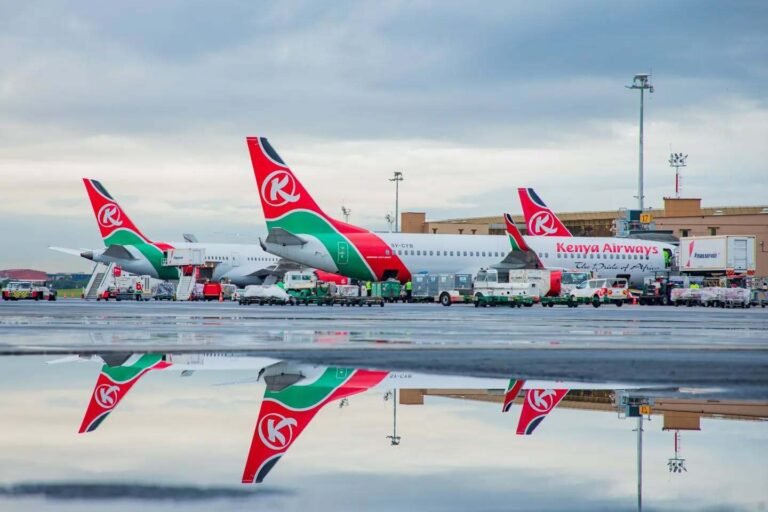
Image: airBaltic

New York, United States: Latvia’s national airline airBaltic voluntarily filed for protection under Chapter 11 of the US Bankruptcy Code in New York on 14 September 2026, seeking to restructure its debt after soaring jet fuel costs and stalled negotiations with creditors pushed the carrier into acute financial stress.

The airline said it had secured a commitment for €350 million ($405 million) in financing from Strategic Value Partners, Barclays, Hayfin Capital Management, Morgan Stanley and Oaktree Capital Management to support operations during the restructuring. The financing carries an interest rate of about 12% and remains subject to court approval. AirBaltic said it expects the court-supervised restructuring to be completed by June 2027, while flights will continue as scheduled.

The filing comes as the aviation industry faces severe pressure from the Iran war that has doubled jet fuel prices and triggered the sector’s worst crisis since the COVID-19 pandemic. AirBaltic’s board said in a bankruptcy-court filing that the airline was experiencing “acute financial stress due to a combination of financial and geopolitical factors.”

AirBaltic had been negotiating with creditors to secure additional financing, but the talks failed to produce an agreement. Before the bankruptcy filing, bondholders were due to vote on a proposal to raise up to €257 million through new super-senior debt due in February 2027, carrying an interest rate of 25%.

Latvian Prime Minister Andris Kulbergs said bondholders representing more than 70% of the value of the airline’s debt chose liquidation instead of approving the financing required to keep the company going.

“I view this solution as one of the best options for ensuring airBaltic’s viability, as it provides the necessary tools and time to implement the restructuring plan,” Kulbergs said.

The Latvian government is continuing to search for a strategic investor while airBaltic reduces its fleet and reorganises its financial obligations.

AirBaltic’s financial problems had been building before the latest fuel shock. The airline said it had about $583 million in funded debt and finance lease liabilities, while it owed €106 million in payroll taxes, airline taxes and fees. The carrier generated about €779 million in revenue in 2025.

Kulbergs said airBaltic had “burned through” €380 million raised through bonds issued in 2024 by April 2026. A €30 million emergency government loan provided to the airline ran out in June.

The airline had also attempted to lease out excess aircraft as it sought ways to improve its financial position.

AirBaltic had previously planned to expand its fleet to 100 aircraft. However, the company’s growth strategy was hit by the loss of potential transit traffic from Russia, Belarus and Ukraine through Riga, while higher fuel costs made its financial position more difficult to sustain.

Aviation analyst Simonas Bartkus said, “This is no longer available, and the company became too large for its market. The rise in fuel costs made the situation acute, they had no time to find a solution.”

Kulbergs said, “Serving Baltic and Latvian routes requires only 30 aircraft, not 100.” AirBaltic currently operates about 50 Airbus A220-300 aircraft. As part of the Chapter 11 process, the airline plans to cancel or defer outstanding deliveries from a $3.5 billion order for 40 additional Airbus aircraft.

It also plans to address $106.7 million worth of additional aircraft engines ordered from Pratt & Whitney.

AirBaltic said it had already begun discussions with Airbus about deferring additional aircraft deliveries beyond 2026. Airbus did not immediately respond to Reuters’ request for comment, while RTX, the parent company of Pratt & Whitney, declined to comment.

AirBaltic employs more than 3,000 people and has been expanding its global workforce for about a decade.

CEO Erno Hilden said the airline was in talks with labour unions about “an adjustment in the workforce”, which he described as a natural consequence of the carrier’s existing capacity-reduction plans.

Hilden said the largest operational changes during the Chapter 11 restructuring would involve reducing airBaltic’s wet-lease business, under which the airline provides aircraft and crews to other carriers for a fee.

Despite the financial difficulties, Hilden said he remained confident about the underlying business.

“I do think that the underlying business for airBaltic is a very healthy one. So after we really execute on our new business plan, I do see a bright future for the company,” he said.

AirBaltic said the Chapter 11 filing is intended to provide protection from creditors while it negotiates a restructuring of its debt.

The airline has said its flights will continue to operate as scheduled throughout the court-supervised process. The restructuring is expected to be completed by June 2027.

Hilden, who previously led Scandinavian airline SAS through its own Chapter 11 restructuring between 2022 and 2024, said airBaltic is “targeting the same process”.

The Latvian government remains the majority owner of airBaltic, while Germany’s Lufthansa holds a 10% minority stake.

The government is continuing to seek a strategic investor as the airline restructures its debt, reduces its fleet and adjusts its operations.

AirBaltic’s Chapter 11 filing makes it the second airline casualty linked to the economic impact of the Iran war after Spirit Airlines, although Spirit had entered bankruptcy months before the conflict began.

The immediate challenge for airBaltic is to stabilize its finances while maintaining its network and operations. The airline now has until the planned completion of the Chapter 11 process in June 2027 to implement its restructuring plan, reduce costs and establish a more sustainable financial structure.


Leave a Comment

Subscribe to our Newsletter

Recent News

Aviation Today Perspectives