Image: Representational
Brussels, Belgium: The International Air Transport Association (IATA) has called for stronger coordination between governments and aviation industry stakeholders to address emerging security threats that are increasingly disrupting flight operations.
Speaking at the Global Tourism Forum Annual Meeting 2026 in Brussels, Nick Careen, IATA’s Senior Vice President for Operations, Safety and Security, highlighted the growing challenges posed by hoax bomb threats, drone incursions, global navigation satellite system (GNSS) interference and cyberattacks.
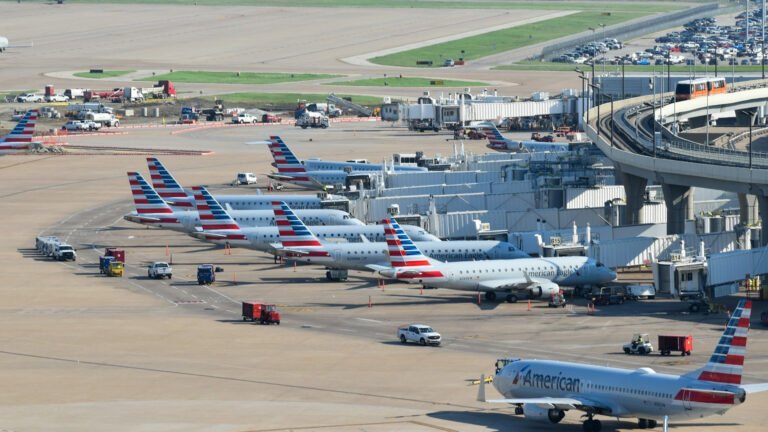
Careen pointed to incidents across Europe to illustrate the operational consequences of these threats. More than 25 flights were reportedly targeted by email-based bomb threats, triggering diversions, fighter jet scrambles and passenger delays.
He also highlighted the growing number of drone-related incidents. According to the speech, more than 200 drone incidents were reported in NATO airspace between January 2025 and October 2026, raising concerns about the safety of aircraft operating near airports and within controlled airspace.
GNSS interference was another area of concern. Such disruptions have affected aircraft navigation and flight operations, including forcing Finnair to suspend services to Tartu, Estonia.
Careen also cited cyberattacks affecting airport operations, including the disruption experienced at Brussels Airport in September 2025, highlighting the vulnerability of critical aviation infrastructure to digital threats.
In response, IATA called for improved information sharing and coordination between governments, airports, airlines and other aviation stakeholders. It also advocated a risk-based approach to security, allowing resources to be directed towards the most significant threats.
The association further called for greater recognition of equivalent security standards between countries to avoid unnecessary duplication of security procedures.
IATA’s position is that aviation security requires a coordinated approach involving both public authorities and industry operators, particularly as threats increasingly extend beyond traditional airport and aircraft security concerns.