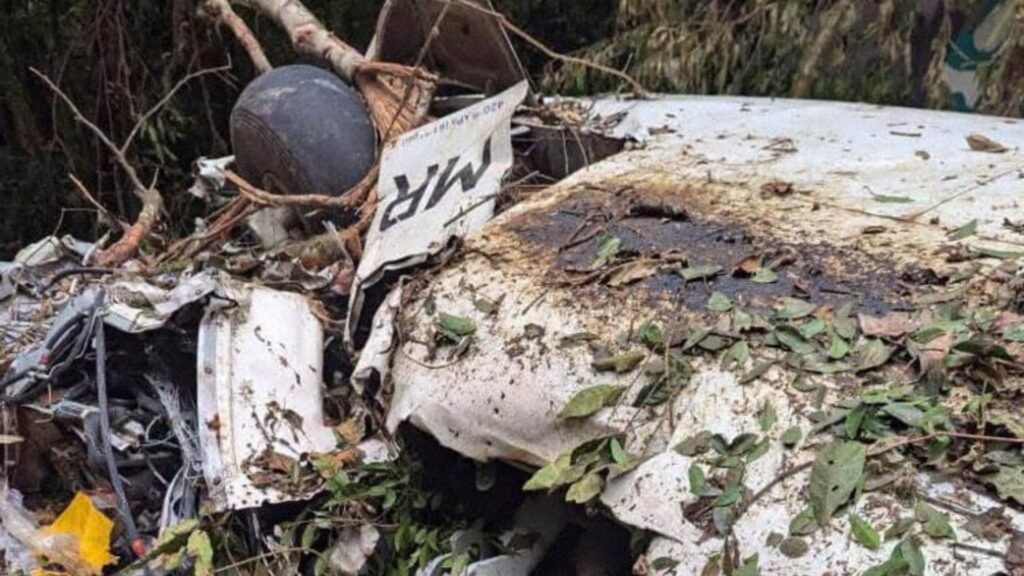
Buruko Village, Democratic Republic of the Congo: On July 24, 2026, a Tracep Congo Aviation Let L-410 Turbolet operating a domestic cargo flight crashed in a remote forest in the eastern Democratic Republic of the Congo after the crew reported an engine failure shortly after departure, leaving one crew member dead and two others seriously injured. The aircraft disappeared over rugged terrain in North Kivu Province, triggering a multi-day search and rescue operation involving local authorities, volunteers and United Nations peacekeepers.
According to information released by Régie des Voies Aériennes (RVA), the twin-engine aircraft departed Beni-Mavivi Airport at 12:36 p.m. local time on July 24. The flight was bound for Kachungu, in Shabunda Territory, South Kivu Province, carrying approximately two tonnes of cargo and three people on board, consisting of the pilot, co-pilot and another occupant.
Only a few minutes after takeoff, the crew reportedly advised another aircraft operating nearby that they had suffered an engine failure. The pilots attempted to divert to Walikale Airfield, but radio communications were subsequently lost. The aircraft disappeared from contact while flying over one of the most inaccessible regions of eastern Congo, where dense rainforest, mountainous terrain and the absence of roads severely complicated rescue efforts.
Following the loss of contact, search operations were launched with support from the Armed Forces of the Democratic Republic of the Congo (FARDC), local reconnaissance teams and volunteers. Search crews located the crash area near Buruko, in Walikale Territory, on July 26, where they discovered two survivors alive. However, the body of the co-pilot, who died in the accident, was not reached until volunteers arrived at the wreckage on July 29 because of the area’s extremely difficult terrain. Authorities have not officially released the identity of the deceased co-pilot, and no official statement has identified the surviving occupants.
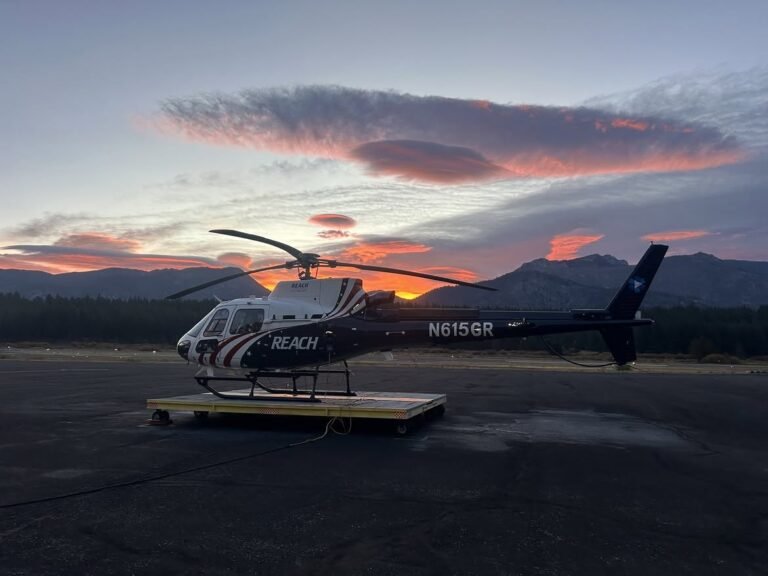
On July 30, peacekeepers from the Hashemite Kingdom of Jordan Aviation Unit, serving with the United Nations Organization Stabilization Mission in the Democratic Republic of the Congo (MONUSCO), carried out a complex helicopter rescue mission to evacuate the two survivors and recover the co-pilot’s body. The operation lasted nearly five hours and involved seven personnel, including pilots, doctors, security officers and aircrew members.
Lieutenant Colonel Yousef Dararjeh, who participated in the mission, said the helicopter departed Beni at around 9:00 a.m. local time and returned shortly before 1:00 p.m. He explained that the rescue team initially received incorrect coordinates for the crash site and had to search using alternative methods before locating the survivors, who were found approximately eight kilometres from the wreckage in dense forest more than 200 kilometres from Beni-Mavivi Airport.
According to Dararjeh, medical personnel treated the injured survivors during the return flight before they were transferred to a medical facility in Beni for further care. Their medical conditions have not been publicly disclosed.
The recovery of the deceased crew member brought an end to several days of uncertainty for his family. A family member thanked MONUSCO for helping recover the body, saying they had not known how they would bring their son home from such an isolated location and could now begin the mourning process.
Olivier Upenji Chombe, General Manager of Tracep Congo Aviation, also expressed gratitude to the Jordanian peacekeepers, noting that the company had no practical means of recovering the body because the crash site was surrounded by dense forest with no roads or trails and was located in an area known for the presence of armed groups.
Authorities in the Democratic Republic of the Congo continue investigating the crash, with the circumstances surrounding the reported engine failure and the sequence of events leading to the accident yet to be established.