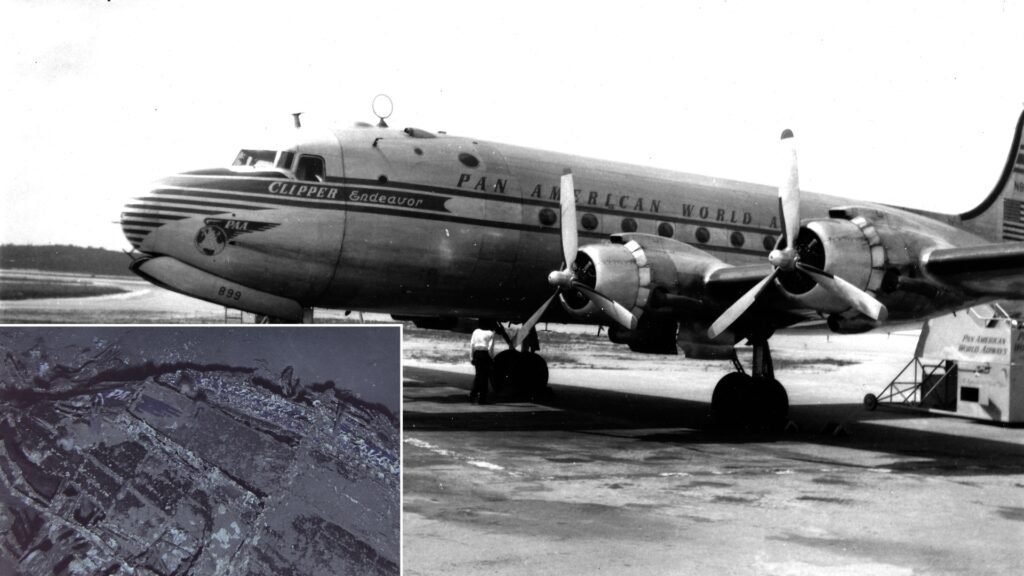
Puerto Rico, United States: The wreckage of Pan American World Airways Flight 526A, known as the Clipper Endeavor, has been located nearly 74 years after the Douglas DC-4 crashed into the Atlantic Ocean off Puerto Rico, killing 52 people in one of the island’s worst aviation disasters. The discovery was announced on July 21, 2026, by the Air/Sea Heritage Foundation (ASHF), Deep Sea Vision and Discovery Channel’s “Expedition Unknown” team.
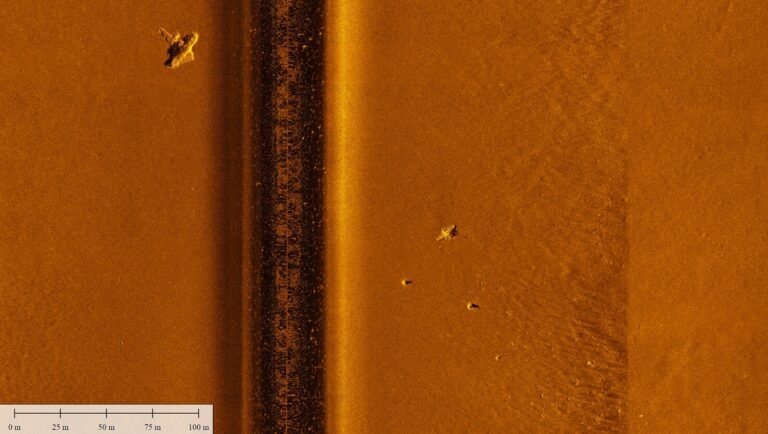
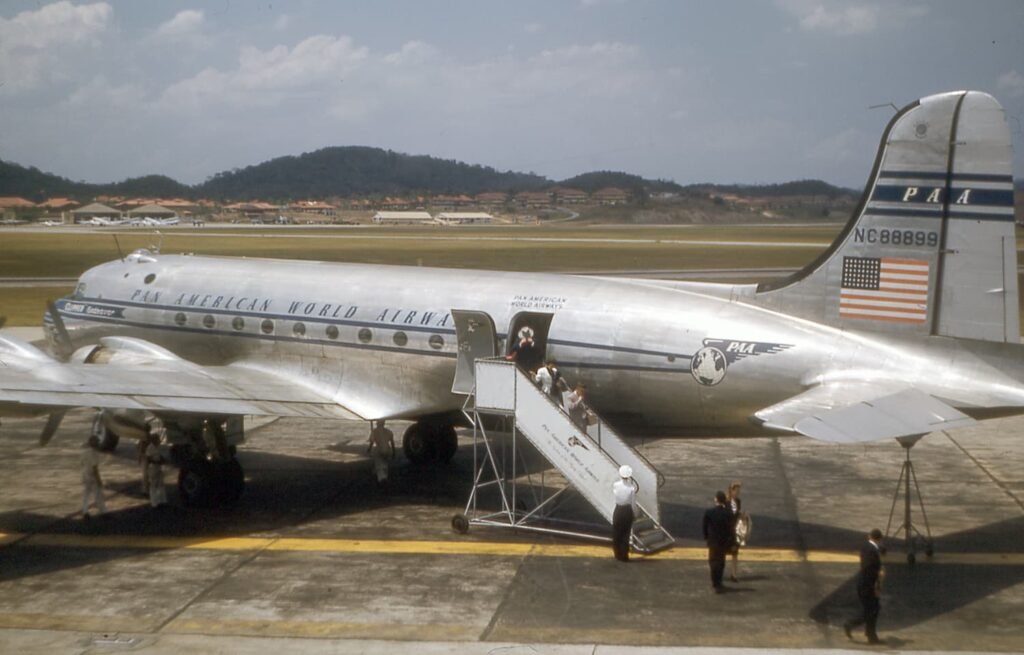
The aircraft was located on June 2, 2026, at 7:14 p.m. Atlantic Standard Time, nearly 2,000 feet beneath the surface of the Atlantic Ocean off the northern coast of Puerto Rico. High-resolution sonar revealed the aircraft broken into two sections. A subsequent photographic survey conducted with an autonomous underwater vehicle provided conclusive identification, with images showing the distinctive winged Pan American logo and the aircraft’s name still legible on the battered but largely intact fuselage.
The Clipper Endeavor crashed on Good Friday, April 11, 1952, shortly after departing San Juan’s Aeropuerto de Isla Grande for New York’s Idlewild Airport, now John F. Kennedy International Airport. The DC-4 was carrying 64 passengers and five crew members, for a total of 69 people.
Shortly after takeoff, the aircraft suffered multiple engine failures, forcing the pilots to attempt an emergency landing on the water. The impact was severe enough to shear off the aircraft’s tail, but the main cabin initially remained intact. According to accounts from survivors, everyone aboard initially survived the forced water landing.
The disaster, however, quickly turned into a mass-casualty event. The aircraft began flooding and sank in less than three minutes amid heavy seas. Passengers struggled to locate and use life vests, while crew members faced difficulties deploying life rafts. The absence of a coordinated evacuation procedure, the lack of a preflight safety briefing and a significant language barrier contributed to confusion and panic as the aircraft went down.
According to pilot John C. Burn’s testimony before the Civil Aeronautics Board, he turned the aircraft back toward San Juan after the emergency, but the plane was rapidly losing altitude over the ocean, forcing the crew to dump fuel and attempt an emergency water landing. After the aircraft splashed down, many passengers refused to follow the captain’s orders to abandon it, remaining buckled in their seats. Burn told the board that he was forced to physically throw some passengers into the water.
Despite the rapid response and heroic efforts of US Coast Guard and Air Force rescue teams, only 17 people survived, 12 passengers and all five crew members. A total of 52 people lost their lives. The tragedy became known in Puerto Rico as “La Tragedia del Viernes Santo,” or “The Good Friday Tragedy.”
The crash became a major turning point in commercial aviation safety. The tragedy helped drive reforms that eventually led to mandatory passenger safety briefings before flights, including instructions on emergency exits, life vests and other evacuation procedures. The Civil Aeronautics Board, the predecessor to today’s Federal Aviation Administration, implemented sweeping safety changes following the accident. Modern passengers are now routinely briefed on where emergency exits and life vests are located and how to use them.
The Clipper Endeavor remained undiscovered for decades because of the extreme depth of the crash site. The search was eventually taken up by aviation and maritime historian Russ Matthews, president and co-founder of the Air/Sea Heritage Foundation. Matthews said he first learned about the crash while researching another Pan Am accident and was struck by the historical importance of an incident that had largely faded from public memory.
The investigation to locate the aircraft began in earnest in 2019. Matthews and the ASHF team examined accident investigation records, Pan Am and U.S. Coast Guard archives and other historical material while conducting surveys off San Juan. A key breakthrough came through research at Puerto Rico’s General Archives, where investigators found survivor testimony, real-time communications transcripts, expert analysis and, critically, a chart created by US Air Force pilots who witnessed the crash while conducting a training flight in the area. The pilots’ map helped rescue teams at the time and later helped researchers narrow the area in which the wreck was likely to be found.
The search was also aided by information from an earlier Discovery Channel “Expedition Unknown” investigation that originally aired in October 2024. An earlier attempt to locate the aircraft using a towed sonar array was unsuccessful after bad weather disrupted the operation. The ASHF team then sought to conduct another search before the 75th anniversary of the crash, this time using more advanced autonomous underwater technology.
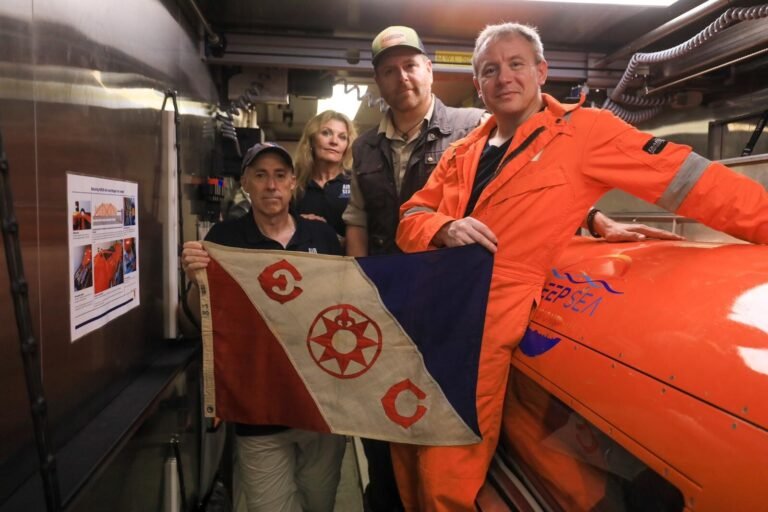
The opportunity came when the research vessel Fugro Brasilis, travelling from Trinidad to the Gulf of Mexico, agreed to stop near San Juan to support the search. The vessel carried an autonomous underwater vehicle operated by Deep Sea Vision, an Eco Minerals company. Deep Sea Vision, led by CEO Tony Romeo and President of Operations Craig Wallace, operates Kongsberg Maritime HUGIN autonomous underwater vehicles equipped with sophisticated sensors capable of scanning large areas of the seabed at depths of up to 6,000 metres, or about 20,000 feet, while remaining underwater for as long as four days.
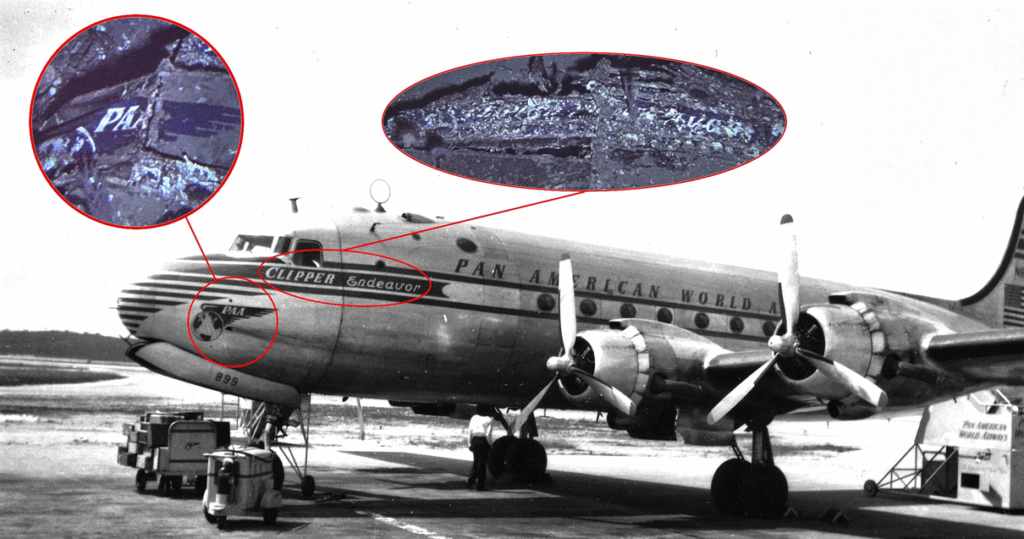
Researchers combined years of archival work with historical weather data from the time of the crash to create a map identifying the most likely wreck location. The resulting search area covered approximately 10 square nautical miles. The autonomous underwater vehicle located the wreckage during its first pass through that search area, although the team did not realize it had found the aircraft until the vehicle returned and its imagery was downloaded and examined.
Discovery Channel explorer and “Expedition Unknown” host Josh Gates and his production team were embedded with the expedition to document the search. The moment of discovery was captured on camera as the team viewed the images transmitted by the underwater vehicle. As the wreck appeared on the screen, members of the team reportedly reacted with cries of surprise, realizing that the long-lost aircraft had finally been located.
Deep Sea Vision’s Romeo said the discovery demonstrated the capabilities of advanced autonomous underwater technology while helping preserve an important chapter of aviation history. Gates described the discovery as an emotional moment, noting that the aircraft had disappeared beneath the waves and that the legacy of those aboard risked being forgotten.
The search also had a personal connection for Romeo, whose father was a Pan Am mechanic and pilot. Deep Sea Vision had previously conducted a six-month unsuccessful search for the aircraft associated with aviation pioneer Amelia Earhart. The autonomous vehicle used in the Clipper Endeavor search already carried a Pan Am sticker.
The newly discovered wreck could also have significance beyond the 1952 accident. The use of autonomous underwater vehicles and advanced sonar technology could provide encouragement to families seeking answers about other aircraft lost over the world’s oceans, including Malaysia Airlines Flight 370, which disappeared in 2014 with 239 people aboard.
The Air/Sea Heritage Foundation is now working with the government of Puerto Rico to seek expanded protections for the wreck site and to support the creation of a permanent memorial for those who died. The organization has also been in contact with families affected by the crash.
The full search and discovery story is expected to be featured in a forthcoming episode of Discovery Channel’s “Expedition Unknown” later in 2026. The discovery of the Clipper Endeavor not only closes a 74-year-old mystery surrounding the location of the aircraft but also highlights the lasting safety legacy of the 52 people who died in the disaster. The tragedy helped accelerate changes in passenger safety procedures that are now a routine part of every commercial flight.