News
Civil Aviation
Pilot Training
Flight School Analysis
Aviation Jobs
Training
Services
About Us
Contact Us

FAA To Assess India’s DGCA Under Aviation Safety Oversight Review In November

Picture of Aviation Today News Desk

Aviation Today News Desk

New Delhi, India: India’s aviation safety oversight framework will come under international scrutiny later this year as the United States Federal Aviation Administration (FAA) prepares to assess the Directorate General of Civil Aviation (DGCA) under its International Aviation Safety Assessment (IASA) programme in November. The review assumes heightened significance following a turbulent period for Indian aviation, marked by a series of operational disruptions, infrastructure failures and fatal accidents that have triggered concerns over the effectiveness of regulatory oversight in one of the world’s fastest-growing aviation markets. According to reports, the FAA assessment will examine whether the DGCA continues to meet international safety oversight standards established by the International Civil Aviation Organization (ICAO). The audit focuses on the capabilities of the regulator rather than the performance of individual airlines. The upcoming review follows what industry observers have described as one of the most challenging periods for Indian aviation in recent decades. Among the major events cited are the fatal Air India Boeing 787 crash in Ahmedabad, multiple helicopter accidents in Uttarakhand, a significant failure of Delhi’s air traffic control systems and the widespread operational disruption experienced by IndiGo in December 2025. The IndiGo disruption, one of the largest airline operational failures witnessed in India, resulted in the cancellation of 2,507 flights and delays to 1,852 services over a three-day period, affecting more than 300,000 passengers nationwide. A DGCA-appointed committee later identified over-optimisation of operations, inadequate regulatory preparedness, software deficiencies and shortcomings in management control as key contributing factors. The FAA review is particularly important because India currently holds Category 1 status under the IASA programme, allowing Indian carriers to operate and expand services to the United States. Retaining that rating is critical for airlines pursuing long-haul growth strategies, including Air India and IndiGo, both of which have announced ambitious international expansion plans. A downgrade could restrict Indian airlines from launching new services or increasing frequencies to the United States until deficiencies are corrected. India previously experienced such a setback in 2014 when the FAA downgraded the country’s safety rating over concerns related to regulatory staffing and oversight capability. The rating was restored after corrective measures were implemented. Government officials have publicly expressed confidence that India will retain its current status. However, industry experts note that the FAA assessment will take place against the backdrop of rapid aviation growth that has significantly increased demands on the regulator. India is currently among the fastest-expanding aviation markets globally, with airlines placing record aircraft orders and passenger traffic continuing to grow. This expansion has intensified concerns regarding inspector availability, surveillance capacity, technical expertise and the regulator’s ability to effectively oversee an increasingly complex aviation ecosystem. Recognising these challenges, the DGCA has initiated a series of corrective measures over the past year. These include enhanced surveillance activities, special safety audits, inspections of airlines and maintenance organisations, and stricter monitoring of airfield operators. Recently, the regulator directed operators of uncontrolled airstrips across the country to immediately review operational conditions and rectify any deficiencies affecting safety. The FAA’s assessment will evaluate multiple elements of India’s aviation oversight system, including aviation legislation, regulatory frameworks, personnel qualifications, technical guidance, certification processes, surveillance programmes and the resolution of safety concerns. The review will determine whether the DGCA possesses the resources, expertise and authority necessary to ensure compliance with international aviation safety standards. The outcome of the November review is expected to be closely watched by airlines, aircraft manufacturers, lessors and international aviation stakeholders. Beyond its immediate impact on air services between India and the United States, the assessment is widely viewed as a test of the strength and maturity of India’s aviation regulatory framework at a time when the country is positioning itself as a major global aviation hub.

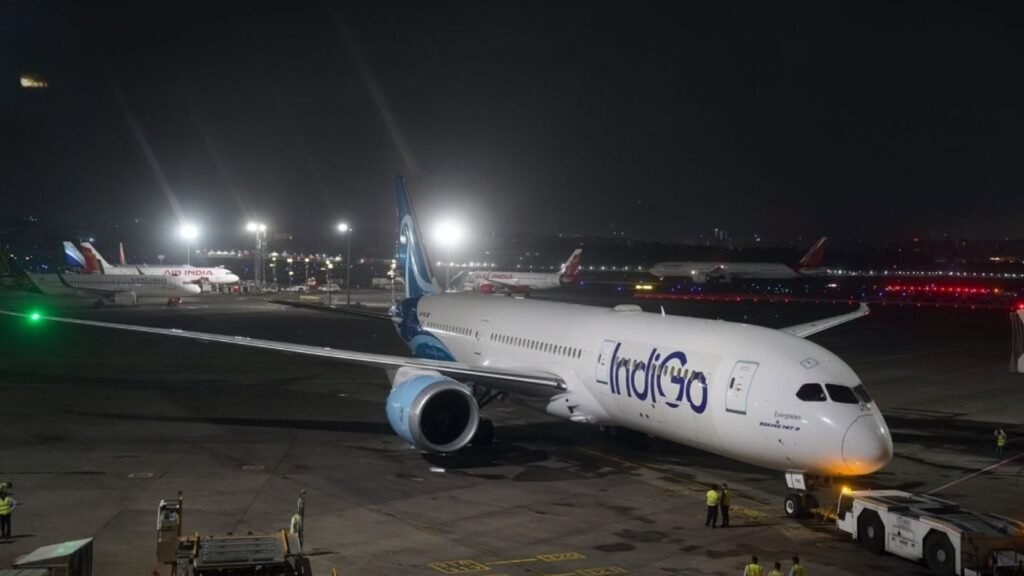
Image: CSMIA

New Delhi, India: India’s aviation safety oversight framework will come under international scrutiny later this year as the United States Federal Aviation Administration (FAA) prepares to assess the Directorate General of Civil Aviation (DGCA) under its International Aviation Safety Assessment (IASA) programme in November.

The review assumes heightened significance following a turbulent period for Indian aviation, marked by a series of operational disruptions, infrastructure failures and fatal accidents that have triggered concerns over the effectiveness of regulatory oversight in one of the world’s fastest-growing aviation markets.

According to reports, the FAA assessment will examine whether the DGCA continues to meet international safety oversight standards established by the International Civil Aviation Organization (ICAO). The audit focuses on the capabilities of the regulator rather than the performance of individual airlines.

The upcoming review follows what industry observers have described as one of the most challenging periods for Indian aviation in recent decades. Among the major events cited are the fatal Air India Boeing 787 crash in Ahmedabad, multiple helicopter accidents in Uttarakhand, a significant failure of Delhi’s air traffic control systems and the widespread operational disruption experienced by IndiGo in December 2025.

The IndiGo disruption, one of the largest airline operational failures witnessed in India, resulted in the cancellation of 2,507 flights and delays to 1,852 services over a three-day period, affecting more than 300,000 passengers nationwide. A DGCA-appointed committee later identified over-optimisation of operations, inadequate regulatory preparedness, software deficiencies and shortcomings in management control as key contributing factors.

The FAA review is particularly important because India currently holds Category 1 status under the IASA programme, allowing Indian carriers to operate and expand services to the United States. Retaining that rating is critical for airlines pursuing long-haul growth strategies, including Air India and IndiGo, both of which have announced ambitious international expansion plans.

A downgrade could restrict Indian airlines from launching new services or increasing frequencies to the United States until deficiencies are corrected. India previously experienced such a setback in 2014 when the FAA downgraded the country’s safety rating over concerns related to regulatory staffing and oversight capability. The rating was restored after corrective measures were implemented.

Government officials have publicly expressed confidence that India will retain its current status. However, industry experts note that the FAA assessment will take place against the backdrop of rapid aviation growth that has significantly increased demands on the regulator.

India is currently among the fastest-expanding aviation markets globally, with airlines placing record aircraft orders and passenger traffic continuing to grow. This expansion has intensified concerns regarding inspector availability, surveillance capacity, technical expertise and the regulator’s ability to effectively oversee an increasingly complex aviation ecosystem.

Recognising these challenges, the DGCA has initiated a series of corrective measures over the past year. These include enhanced surveillance activities, special safety audits, inspections of airlines and maintenance organisations, and stricter monitoring of airfield operators. Recently, the regulator directed operators of uncontrolled airstrips across the country to immediately review operational conditions and rectify any deficiencies affecting safety.

The FAA’s assessment will evaluate multiple elements of India’s aviation oversight system, including aviation legislation, regulatory frameworks, personnel qualifications, technical guidance, certification processes, surveillance programmes and the resolution of safety concerns. The review will determine whether the DGCA possesses the resources, expertise and authority necessary to ensure compliance with international aviation safety standards.

The outcome of the November review is expected to be closely watched by airlines, aircraft manufacturers, lessors and international aviation stakeholders. Beyond its immediate impact on air services between India and the United States, the assessment is widely viewed as a test of the strength and maturity of India’s aviation regulatory framework at a time when the country is positioning itself as a major global aviation hub.

Leave a Comment

Subscribe to our Newsletter

Recent News