News
Civil Aviation
Pilot Training
Flight School Analysis
Aviation Jobs
Training
Services
About Us
Contact Us

DGCA Issues Safety Warning To Charter Operators After Decade-Long Accident Data Review

Picture of Aviation Today News Desk

Aviation Today News Desk

DGCA Issues Safety Warning To Charter Operators After Decade-Long Accident Data Review SEO DES: The regulator flagged systemic flaws in the non-scheduled sector including SOP breaches, weak flight planning, training gaps and commercial pressure SOCIAL: India’s civil aviation regulator, the Directorate General of Civil Aviation (DGCA), has issued a safety warning to charter operators after reviewing a decade of accident data and recent fatal crashes. The regulator flagged systemic issues in the non-scheduled sector, including SOP violations, weak flight planning, training gaps and commercial pressure affecting safety decisions. The move follows two fatal crashes in January and February 2026 involving a Learjet 45XR and a King Air air ambulance. DGCA has introduced stricter measures, including mandatory safety disclosures, a ranking system for operators, intensified audits, tighter oversight of older aircraft and tougher penalties. It also stressed that pilot safety decisions are final and that senior management will be held accountable for lapses. New Delhi, India: India’s civil aviation regulator, the Directorate General of Civil Aviation (DGCA), has issued a sweeping safety warning to charter flight operators and unveiled a range of strict oversight measures following a comprehensive review of accident data and a spate of recent aviation incidents. The regulator convened a high-level meeting with holders of Non-Scheduled Operator Permits (NSOPs) , the licence category covering on-demand charter flights, corporate jets, and air ambulance services on Tuesday to communicate the warning and new directives, officials said. The DGCA’s warning follows an exhaustive review of accident records over the past decade which identified repeated systemic weaknesses in the non-scheduled segment. The review highlighted non-adherence to standard operating procedures (SOPs), inadequate flight planning, training deficiencies and commercial pressure undermining safety decisions as recurring factors in charter aircraft accidents. The move comes against the backdrop of two fatal accidents within a month: On 28 January 2026, a Learjet 45XR operated by VSR Ventures crashed near Baramati Airport in Maharashtra, killing five people including then Deputy Chief Minister Ajit Pawar. On 23 February 2026, a Beechcraft C90 King Air air ambulance operated by Redbird Airways crashed in Chatra, Jharkhand, killing all seven persons onboard. These tragedies have reflected long-standing safety concerns in India’s small aircraft sector and triggered regulatory action. In its communication to charter operators, the DGCA stressed that safety must remain the “absolute priority, superseding all commercial considerations” and reiterated that the pilot-in-command’s decision to divert, delay or cancel a flight for safety reasons is final and must be respected by operators. Major measures announced: Mandatory public disclosure by NSOP holders of critical safety information on their websites including aircraft age, maintenance history and pilot experience to empower customers with safety-related data before chartering flights. Implementation of a safety ranking system for all non-scheduled operators, with rankings to be published on the DGCA’s official portal. Random and intensified audits, including checks of cockpit voice recorders (CVR), flight data, fuel logs and technical records to detect unauthorised operations or data irregularities. Increased oversight of older aircraft and those undergoing ownership changes, and scrutiny of operators’ Maintenance, Repair and Overhaul (MRO) capabilities. Stricter enforcement and penalties pilots violating Flight Duty Time Limitations (FDTL) or attempting to land below safety minima could face licence suspensions of up to five years, while operators failing to meet compliance may face permit suspensions or fines. The regulator also warned that accountable managers and senior leadership of operators will be held personally responsible for systemic non-compliances, noting that “safety lapses cannot simply be blamed on pilots.” The new directives reflect a broader emphasis on safety oversight in India’s rapidly expanding aviation market. The charter segment has historically faced operational challenges, including weaker internal safety systems, pressure from clients for tight schedules and, in some cases, regulatory oversight gaps relative to scheduled airlines.

DGCA Issues Safety Warning To Charter Operators After Decade-Long Accident Data Review
SEO DES: The regulator flagged systemic flaws in the non-scheduled sector including SOP breaches, weak flight planning, training gaps and commercial pressure 
SOCIAL: India’s civil aviation regulator, the Directorate General of Civil Aviation (DGCA), has issued a safety warning to charter operators after reviewing a decade of accident data and recent fatal crashes. 
The regulator flagged systemic issues in the non-scheduled sector, including SOP violations, weak flight planning, training gaps and commercial pressure affecting safety decisions.
The move follows two fatal crashes in January and February 2026 involving a Learjet 45XR and a King Air air ambulance. DGCA has introduced stricter measures, including mandatory safety disclosures, a ranking system for operators, intensified audits, tighter oversight of older aircraft and tougher penalties. It also stressed that pilot safety decisions are final and that senior management will be held accountable for lapses.
New Delhi, India: India’s civil aviation regulator, the Directorate General of Civil Aviation (DGCA), has issued a sweeping safety warning to charter flight operators and unveiled a range of strict oversight measures following a comprehensive review of accident data and a spate of recent aviation incidents.
The regulator convened a high-level meeting with holders of Non-Scheduled Operator Permits (NSOPs) , the licence category covering on-demand charter flights, corporate jets, and air ambulance services on Tuesday to communicate the warning and new directives, officials said.
The DGCA’s warning follows an exhaustive review of accident records over the past decade which identified repeated systemic weaknesses in the non-scheduled segment. The review highlighted non-adherence to standard operating procedures (SOPs), inadequate flight planning, training deficiencies and commercial pressure undermining safety decisions as recurring factors in charter aircraft accidents.
The move comes against the backdrop of two fatal accidents within a month:
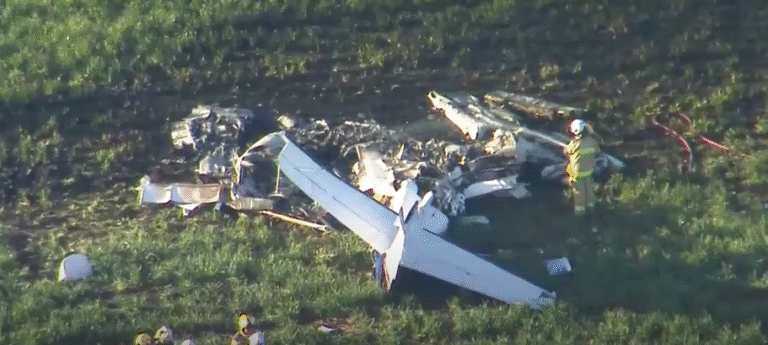
On 28 January 2026, a Learjet 45XR operated by VSR Ventures crashed near Baramati Airport in Maharashtra, killing five people including then Deputy Chief Minister Ajit Pawar.


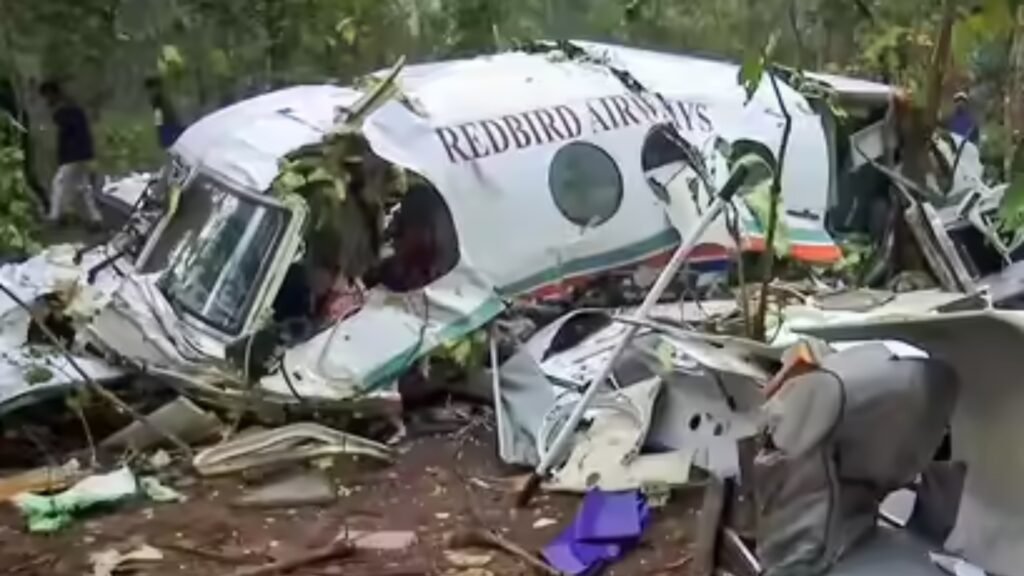
On 23 February 2026, a Beechcraft C90 King Air air ambulance operated by Redbird Airways crashed in Chatra, Jharkhand, killing all seven persons onboard.
These tragedies have reflected long-standing safety concerns in India’s small aircraft sector and triggered regulatory action.
In its communication to charter operators, the DGCA stressed that safety must remain the “absolute priority, superseding all commercial considerations” and reiterated that the pilot-in-command’s decision to divert, delay or cancel a flight for safety reasons is final and must be respected by operators.
Major measures announced:
Mandatory public disclosure by NSOP holders of critical safety information on their websites including aircraft age, maintenance history and pilot experience to empower customers with safety-related data before chartering flights.


Implementation of a safety ranking system for all non-scheduled operators, with rankings to be published on the DGCA’s official portal.


Random and intensified audits, including checks of cockpit voice recorders (CVR), flight data, fuel logs and technical records to detect unauthorised operations or data irregularities.


Increased oversight of older aircraft and those undergoing ownership changes, and scrutiny of operators’ Maintenance, Repair and Overhaul (MRO) capabilities.


Stricter enforcement and penalties pilots violating Flight Duty Time Limitations (FDTL) or attempting to land below safety minima could face licence suspensions of up to five years, while operators failing to meet compliance may face permit suspensions or fines.


The regulator also warned that accountable managers and senior leadership of operators will be held personally responsible for systemic non-compliances, noting that “safety lapses cannot simply be blamed on pilots.”
The new directives reflect a broader emphasis on safety oversight in India’s rapidly expanding aviation market. The charter segment has historically faced operational challenges, including weaker internal safety systems, pressure from clients for tight schedules and, in some cases, regulatory oversight gaps relative to scheduled airlines.
Image: The Economic Times

New Delhi, India: India’s civil aviation regulator, the Directorate General of Civil Aviation (DGCA), has issued a sweeping safety warning to charter flight operators and unveiled a range of strict oversight measures following a comprehensive review of accident data and a spate of recent aviation incidents.

The regulator convened a high-level meeting with holders of Non-Scheduled Operator Permits (NSOPs) , the licence category covering on-demand charter flights, corporate jets, and air ambulance services on Tuesday to communicate the warning and new directives, officials said.

The DGCA’s warning follows an exhaustive review of accident records over the past decade which identified repeated systemic weaknesses in the non-scheduled segment. The review highlighted non-adherence to standard operating procedures (SOPs), inadequate flight planning, training deficiencies and commercial pressure undermining safety decisions as recurring factors in charter aircraft accidents.

The move comes against the backdrop of two fatal accidents within a month:

  • On 28 January 2026, a Learjet 45XR operated by VSR Ventures crashed near Baramati Airport in Maharashtra, killing five people including then Deputy Chief Minister Ajit Pawar.
  • On 23 February 2026, a Beechcraft C90 King Air air ambulance operated by Redbird Airways crashed in Chatra, Jharkhand, killing all seven persons onboard.

These tragedies have reflected long-standing safety concerns in India’s small aircraft sector and triggered regulatory action.

In its communication to charter operators, the DGCA stressed that safety must remain the “absolute priority, superseding all commercial considerations” and reiterated that the pilot-in-command’s decision to divert, delay or cancel a flight for safety reasons is final and must be respected by operators.

Major measures announced:

  • Mandatory public disclosure by NSOP holders of critical safety information on their websites including aircraft age, maintenance history and pilot experience to empower customers with safety-related data before chartering flights.
  • Implementation of a safety ranking system for all non-scheduled operators, with rankings to be published on the DGCA’s official portal.
  • Random and intensified audits, including checks of cockpit voice recorders (CVR), flight data, fuel logs and technical records to detect unauthorised operations or data irregularities.
  • Increased oversight of older aircraft and those undergoing ownership changes, and scrutiny of operators’ Maintenance, Repair and Overhaul (MRO) capabilities.
  • Stricter enforcement and penalties pilots violating Flight Duty Time Limitations (FDTL) or attempting to land below safety minima could face licence suspensions of up to five years, while operators failing to meet compliance may face permit suspensions or fines.
  • The regulator also warned that accountable managers and senior leadership of operators will be held personally responsible for systemic non-compliances, noting that “safety lapses cannot simply be blamed on pilots.”

The new directives reflect a broader emphasis on safety oversight in India’s rapidly expanding aviation market. The charter segment has historically faced operational challenges, including weaker internal safety systems, pressure from clients for tight schedules and, in some cases, regulatory oversight gaps relative to scheduled airlines.

Leave a Comment

Subscribe to our Newsletter

Recent News

error: Unauthorized copying is not permitted